
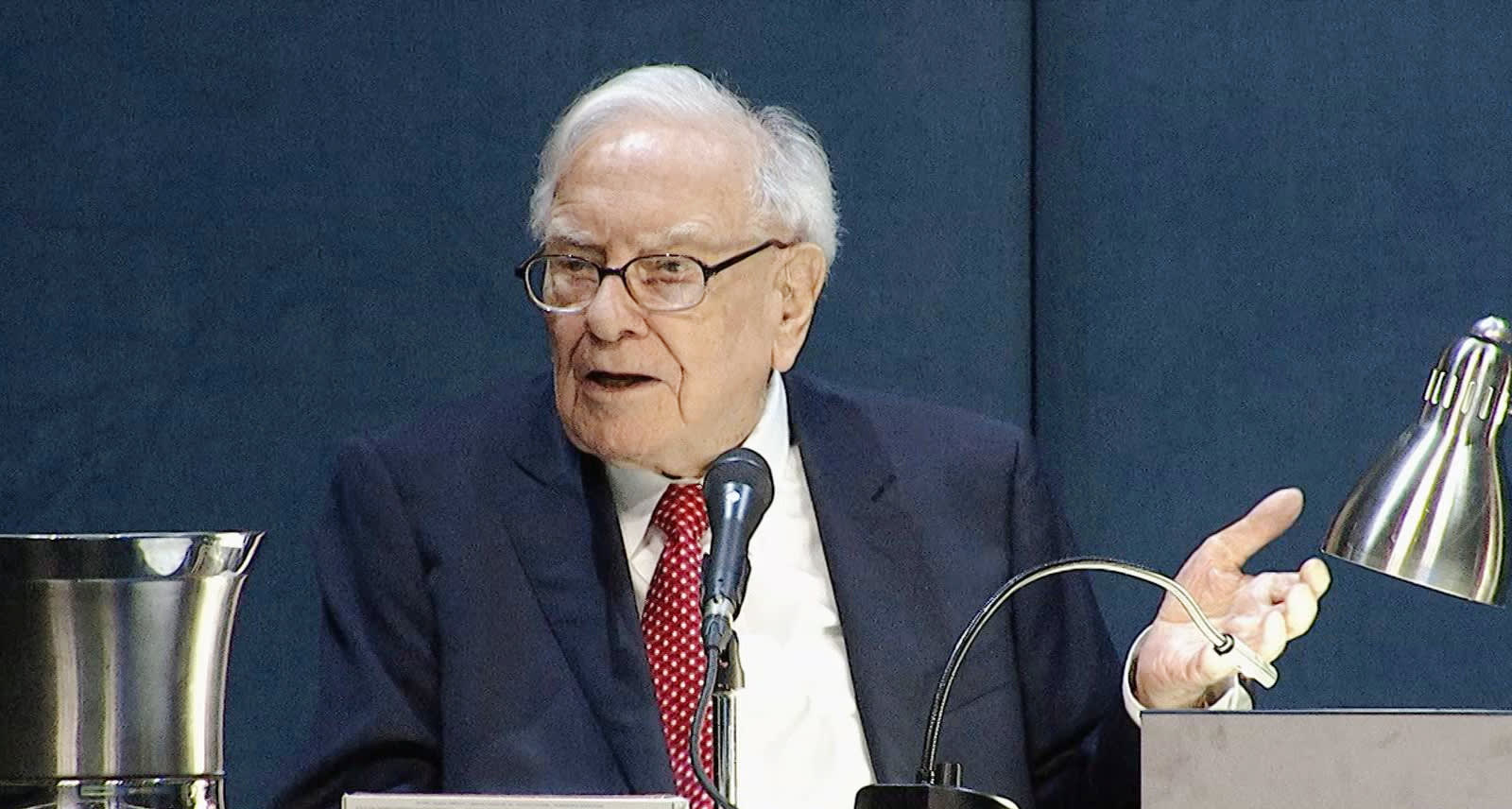
The latest regulatory filings from Berkshire Hathaway represent more than just a routine update of a multi-billion-dollar equity portfolio; they signal the definitive conclusion of one of the most storied tenures in corporate history. As Warren Buffett officially transitions from Chief Executive Officer to Chairman of the Board, the Omaha-based conglomerate has revealed a series of strategic adjustments that suggest a meticulous tidying of the books for his successor, Greg Abel. Most notably, the firm has continued to scale back its massive investment in Apple Inc. while initiating a fresh position in The New York Times Company, reflecting a nuanced shift in capital allocation during a period of significant leadership transition.
According to the 13F filing for the fourth quarter, Berkshire Hathaway reduced its stake in Apple by approximately 4.3%. While a 4.3% reduction might seem marginal for a standard fund, in the context of Berkshire’s concentrated portfolio, it represents a multi-billion-dollar liquidation. Even after this divestment, Apple remains the cornerstone of Berkshire’s equity holdings, valued at roughly $61.96 billion. This move follows a series of previous trims; the conglomerate reduced its Apple exposure in the second and third quarters of 2024, at one point slashing the holding by nearly two-thirds earlier in the year.
The decision to further distance the firm from its largest position comes as Apple faces a complex set of headwinds. While the iPhone maker managed to post a 9% gain in 2025—marking its third consecutive year of positive returns—it significantly trailed the broader S&P 500, which surged by more than 16% over the same period. The start of 2026 has been even more arduous for the Cupertino-based tech giant, with the stock falling 3% year-to-date and suffering its most dramatic single-day decline in nearly a year following regulatory scrutiny concerning its Siri interface and antitrust concerns raised by the Federal Trade Commission (FTC).
Analysts suggest that Buffett’s cooling sentiment toward Apple may be rooted in his fundamental classification of the company. Unlike many Silicon Valley investors who view Apple as a high-growth technology play, Buffett has long characterized it as a "consumer products" company with an exceptionally "sticky" ecosystem. By trimming the position now, Berkshire may be locking in historic gains while reducing the concentration risk for Greg Abel, who assumed the CEO role at the beginning of the new year. The goal appears to be the creation of a more balanced, manageable portfolio that relies less on the volatile swings of a single mega-cap technology stock.
In a move that mirrors Buffett’s lifelong affinity for the newspaper industry, Berkshire disclosed a new, albeit relatively small, stake in The New York Times Company. The $351.7 million investment places the media outlet at the 29th spot in Berkshire’s 41-position portfolio. While the dollar amount is modest compared to the firm’s $56 billion stake in American Express, the symbolic weight is substantial. Buffett has a long history with the Fourth Estate, having previously owned the Buffalo News and held a legendary, long-term position in the Washington Post Company.
The investment in The New York Times comes at a time when the "Gray Lady" has successfully navigated the transition from print to a digital-first subscription model. With a robust portfolio of products including Games, Cooking, and The Athletic, the Times has established a diversified revenue stream that aligns with Buffett’s preference for companies with strong brand moats and recurring revenue. This entry into the media sector, combined with Berkshire’s third-quarter purchase of Alphabet Inc. (the parent company of Google), suggests a renewed interest in the "Magnificent Seven" and their surrounding ecosystems, provided they meet the firm’s stringent value criteria.
The transition of power from Buffett to Abel is the most significant structural change at Berkshire Hathaway in over half a century. Greg Abel, who previously served as the Vice Chairman of non-insurance operations, has been the heir apparent for several years. His elevation to CEO is accompanied by a broader reshuffling of the executive ranks. Most notably, Todd Combs, a key investment lieutenant who also served as the CEO of Geico, resigned in December to join JPMorgan Chase. Combs will lead the bank’s new Security and Resiliency Initiative, leaving Ted Weschler as the primary remaining investment manager under Abel’s leadership.

This executive exodus and the subsequent portfolio adjustments highlight a shift toward a "post-Buffett" operational reality. For decades, the Berkshire model relied on Buffett’s idiosyncratic genius and his ability to deploy massive amounts of cash into undervalued opportunities. As Abel takes over, the focus is expected to shift toward the operational efficiency of Berkshire’s wholly-owned subsidiaries—ranging from BNSF Railway to Berkshire Hathaway Energy—while maintaining a more conservative and diversified equity portfolio.
The fourth-quarter filing also provided a snapshot of Berkshire’s top ten holdings, which continue to reflect a heavy bias toward financial services and energy. Following Apple, American Express remains the second-largest holding at $56.09 billion, a position that has remained untouched for years. Bank of America, however, saw a reduction of 8.9%, bringing its value to $28.45 billion. This divestment from one of the nation’s largest lenders suggests a cautious outlook on the banking sector amidst fluctuating interest rates and tightening credit conditions.
In the energy sector, Berkshire remains bullish. The firm increased its stake in Chevron by 6.6%, bringing its value to nearly $20 billion, and maintained its significant position in Occidental Petroleum. These moves indicate that while the world moves toward a green energy transition, Berkshire continues to see immense value in the cash-flow-heavy traditional energy giants. The firm’s $10.69 billion stake in Chubb, an insurance heavyweight, also saw a 9.3% increase, reinforcing Berkshire’s roots in the insurance industry as a primary driver of "float" for future investments.
The broader economic implications of Berkshire’s maneuvers are being closely watched by global markets. As a bellwether for the American economy, Berkshire’s pivot away from high-concentration tech and toward diversified media and energy suggests a defensive posture. With the S&P 500 reaching record highs, Buffett’s decision to build a massive cash pile—which has hovered near record levels—and trim winners like Apple indicates a belief that the market may be overextended.
Furthermore, the inclusion of Alphabet in the portfolio late last year, followed by the New York Times purchase, shows a willingness to embrace modern digital platforms, provided they exhibit the "toll bridge" characteristics Buffett has championed since the 1960s. Alphabet’s dominant position in search and the Times’ dominance in premium digital journalism represent the modern versions of the local newspaper monopolies that Buffett once called "unregulated tolls."
As Warren Buffett remains Chairman of the Board, his influence will still be felt, but the day-to-day capital allocation decisions now fall to Greg Abel and Ted Weschler. The trimming of Apple is perhaps the most visible sign of this new era. It is a pragmatic acknowledgment that even the best companies can become a "diworsification" risk if they occupy too large a percentage of a conglomerate’s net worth.
The legacy of the Buffett era is defined by a 20% compounded annual gain from 1965 to 2023, nearly double the return of the S&P 500. For Greg Abel, the challenge will not be to replicate those astronomical figures in a much larger and more efficient market, but to maintain the culture of integrity and decentralized management that Buffett spent sixty years building. These final Q4 moves represent the closing of a ledger, a final series of signatures by the Oracle of Omaha as he hands over the keys to the most successful investment vehicle in history. Investors now wait to see if the "Abel Era" will maintain the same steady hand, or if the departure of figures like Todd Combs signals a more radical departure from the value-investing orthodoxy that turned a failing textile mill into a global powerhouse.