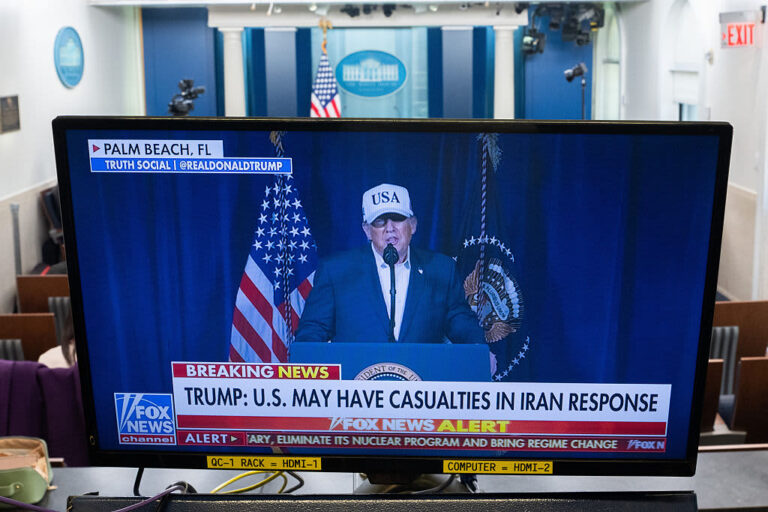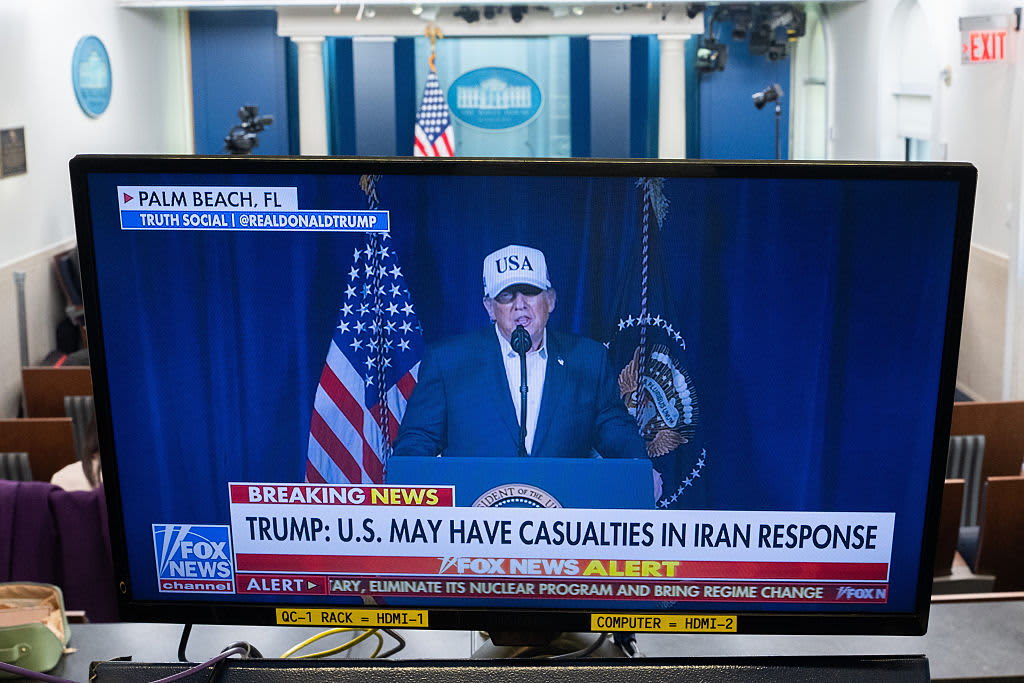


In the corridors of Whitehall and the briefing rooms of the Ministry of Defence, a sense of operational urgency has replaced the measured caution of diplomatic discourse. As geopolitical tensions across the Levant reach a critical inflection point, the British government has initiated comprehensive "non-combatant evacuation operation" (NEO) protocols, signaling a profound shift in the assessment of regional stability. This mobilization is not merely a precautionary exercise but a sophisticated logistical response to the escalating risk of a multi-front conflict involving state and non-state actors across the Middle East. For global markets and international observers, the scale of these preparations underscores a sobering reality: the window for a purely diplomatic resolution to the current crisis is narrowing, necessitating a robust framework for the potential extraction of tens of thousands of British nationals.
The strategic pivot comes as the security architecture of the region remains under unprecedented strain. With hostilities between Israel and Hezbollah intensifying along the Blue Line, and the looming specter of a direct confrontation between regional powers, the United Kingdom’s Foreign, Commonwealth & Development Office (FCDO) has significantly upgraded its emergency blueprints. Central to this planning is the realization that a full-scale regional escalation would likely result in the immediate closure of commercial airspace and the disruption of traditional maritime routes, leaving thousands of expatriates and dual citizens stranded in high-risk zones, particularly in Lebanon and parts of the northern Galilee.
Logistically, the British effort is anchored by the strategic importance of Cyprus. RAF Akrotiri, a sovereign base area on the island, has once again been designated as the primary "lily pad" for UK military and civilian operations in the Eastern Mediterranean. This base, which played a pivotal role during the 2021 evacuation from Kabul and the 2006 Lebanon conflict, provides the necessary infrastructure for the rapid deployment of transport aircraft, such as the C-17 Globemaster and the A400M Atlas. Military planners are reportedly coordinating with Cypriot authorities to manage the potential arrival of thousands of evacuees, a process that requires not only physical space but also complex screening, medical, and onward-transportation facilities.
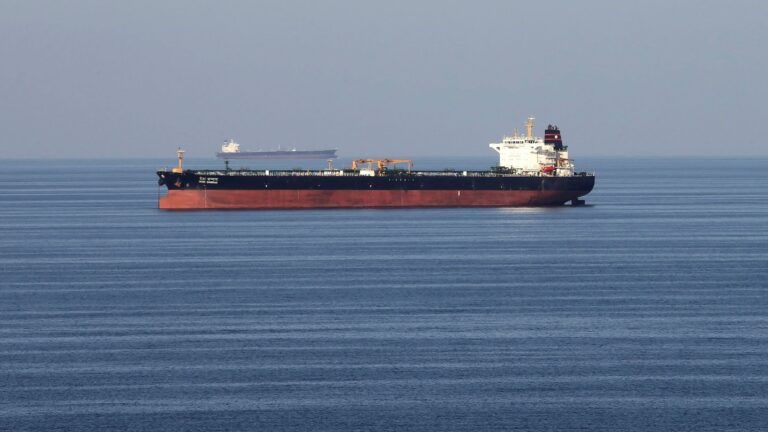
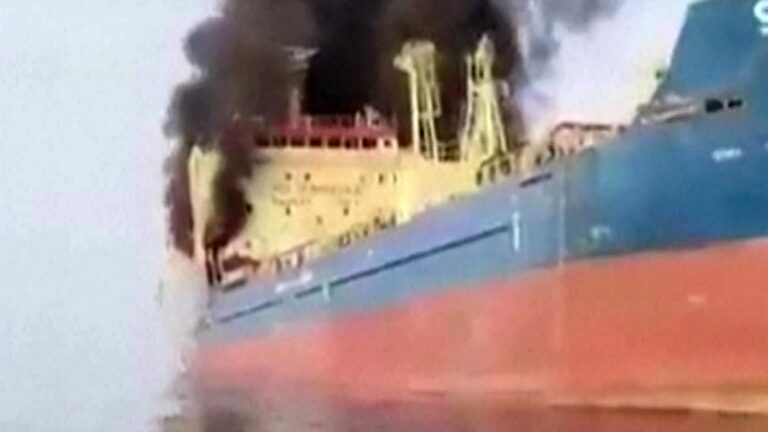
The economic implications of such a mass evacuation are vast and multifaceted. From a fiscal perspective, the cost of a large-scale NEO is substantial. Historical data from similar operations suggests that the mobilization of naval assets, chartered commercial flights, and temporary housing can run into the hundreds of millions of pounds. Beyond the immediate treasury costs, the broader economic fallout of the regional instability driving these evacuations is already being felt in the global energy and insurance markets. Brent crude prices have exhibited heightened volatility as traders weigh the risk of a disruption to the Strait of Hormuz or the Suez Canal. Furthermore, the maritime insurance industry, centered in Lloyd’s of London, has seen a sharp uptick in "war risk" premiums for vessels operating in the Eastern Mediterranean and the Red Sea, directly impacting global supply chain costs.
Expert analysis suggests that the UK’s planning is being conducted in close synchronization with its "Five Eyes" intelligence partners and European allies. The United States, France, and Germany have similarly been refining their own extraction strategies, recognizing that a chaotic, uncoordinated exit would only exacerbate the humanitarian and security crisis. This multilateral approach is essential, as the capacity of any single nation to conduct a mass evacuation in a contested environment is limited. Coordination involves sharing intelligence on viable landing zones, deconflicting flight paths in congested airspace, and potentially utilizing shared naval assets to secure maritime corridors.
The Royal Navy’s presence in the region serves as a critical component of this contingency framework. Vessels such as the RFA Cardigan Bay and other elements of the Royal Fleet Auxiliary provide a flexible sea-based platform for medical support and personnel transport. In a scenario where Beirut’s Rafic Hariri International Airport is rendered inoperable—a major concern for planners given the lessons of the 2006 war—the maritime route becomes the primary artery for evacuation. However, sea-based extractions are notoriously slow and subject to the whims of coastal defense capabilities, making the protection of these "green corridors" a priority for the Ministry of Defence.
From a business perspective, the potential evacuation highlights the significant exposure of multinational corporations to Middle Eastern instability. Beirut and Tel Aviv have long served as regional hubs for finance, technology, and media. The sudden withdrawal of skilled personnel and the suspension of local operations could lead to significant disruptions in regional service delivery and long-term capital flight. For many firms, the "political risk" insurance policies they hold are being tested, as the definition of "force majeure" becomes a central point of legal and financial contention.
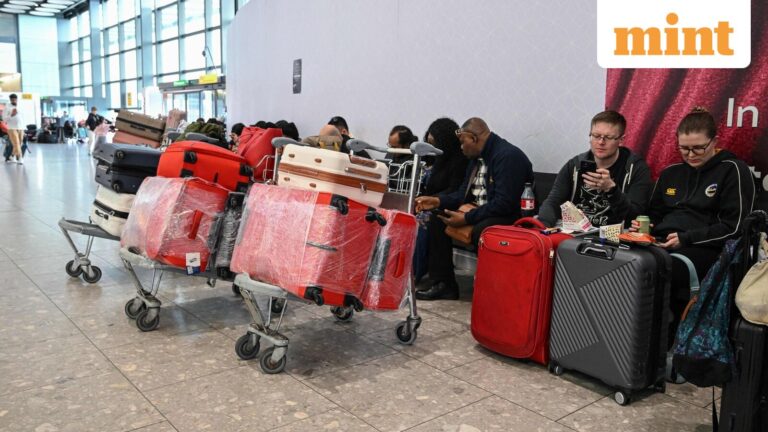
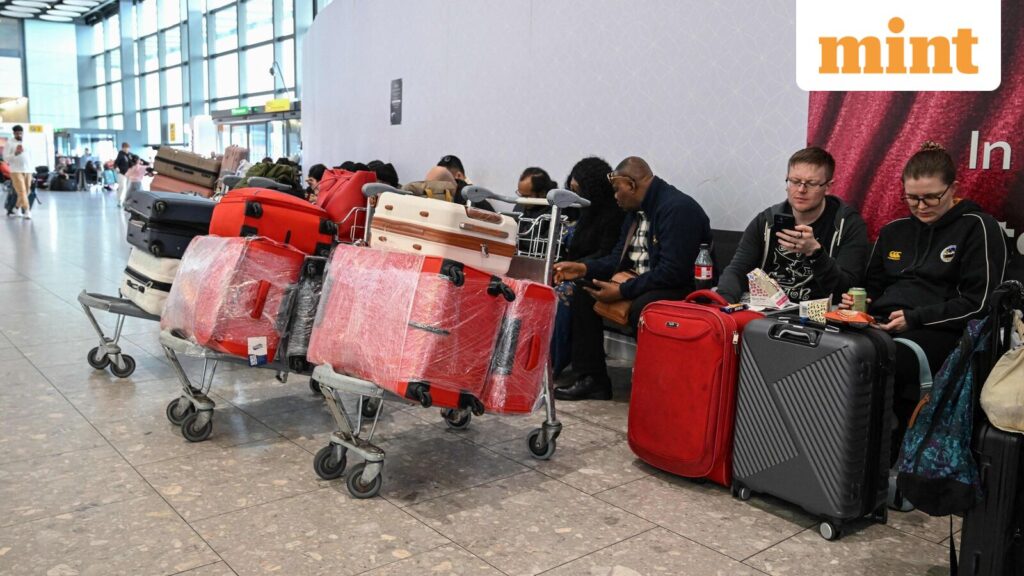
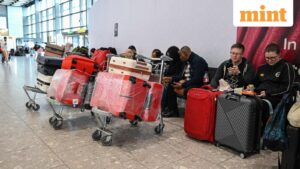
The human scale of the operation is perhaps the most daunting challenge for Whitehall. Estimates suggest there are as many as 16,000 British nationals currently in Lebanon alone, with tens of thousands more in Israel and the surrounding territories. The FCDO has been insistent in its messaging, urging citizens to leave via commercial means while they are still available. However, history shows that a significant portion of the expatriate population often remains until the last possible moment, either due to family ties, business commitments, or an underestimation of the speed at which security situations can deteriorate. This behavioral trend creates a "bottleneck" effect, where the demand for evacuation assets spikes precisely when the security environment is at its most perilous.
Comparisons are inevitably being drawn to "Operation Pitting," the UK’s 2021 withdrawal from Afghanistan. While that operation was a logistical success under extreme pressure, it also highlighted the vulnerabilities of relying on a single point of exit—Kabul airport. In the Middle East, the geography is more complex, involving multiple potential conflict zones across several borders. Planners are therefore looking at a "distributed evacuation" model, utilizing various ports and smaller airstrips to avoid the concentration of vulnerable populations in a single, targetable location.
Furthermore, the domestic political stakes for the British government are high. Any perceived failure in the protection or extraction of citizens abroad can have immediate and severe political repercussions. The government is keen to demonstrate that it has learned from past crises, emphasizing "proactive readiness" over "reactive crisis management." This involves not just military hardware but also the deployment of "Rapid Deployment Teams"—specialized consular officials trained to operate in high-stress environments to process documentation and manage the human element of a mass exodus.
The broader geopolitical impact of these preparations cannot be overstated. By openly drawing up evacuation options, the UK and its allies are sending a dual signal. To their own citizens, it is a warning of the gravity of the situation; to regional actors, it is a sign that the international community is bracing for the worst, which can sometimes act as a deterrent by demonstrating the high stakes involved. Conversely, critics argue that such visible preparations can inadvertently signal a lack of confidence in diplomatic efforts, potentially creating a self-fulfilling prophecy of escalation.
As the situation evolves, the intersection of military logistics, economic resilience, and diplomatic maneuvering will define the UK’s role in the region. The drawing up of evacuation options is a clear admission that the post-Cold War era of relative stability in the Eastern Mediterranean has given way to a more fragmented and dangerous reality. For the global economy, the successful management of this crisis—or the failure thereof—will be a bellwether for how modern states navigate an increasingly "polycrisis" world, where localized conflicts have immediate, systemic global consequences. The coming weeks will determine whether these blueprints remain on the shelf as a testament to prudent planning or are activated in what could be one of the largest and most complex humanitarian operations in recent British history.