


The escalating geopolitical tensions across West Asia are sending profound shockwaves through India’s vibrant and rapidly expanding aviation sector, threatening to derail the robust growth trajectories of major carriers and impose significant financial burdens. With critical airspace corridors rendered precarious by a volatile security landscape, Indian airlines, including market leader IndiGo, the extensive Air India group, nascent player Akasa Air, and budget carrier SpiceJet, are confronting an unprecedented operational and economic squeeze. Initial assessments from aviation experts indicate that the direct financial fallout from airspace disruptions alone could approach ₹500 crore, a figure that analysts warn represents merely the tip of a much larger, multi-faceted impact.
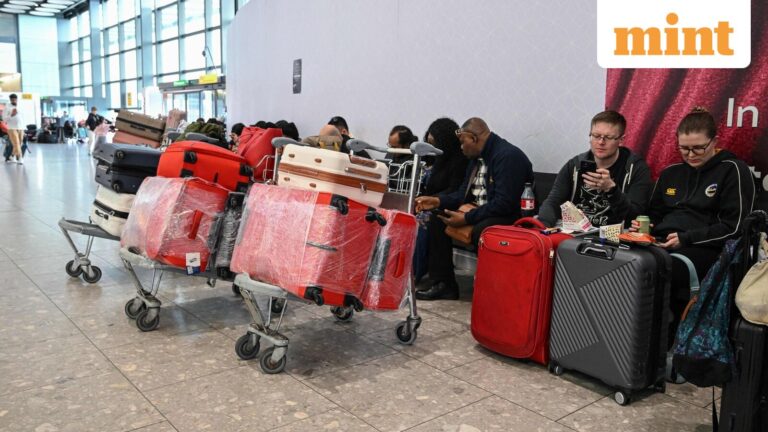
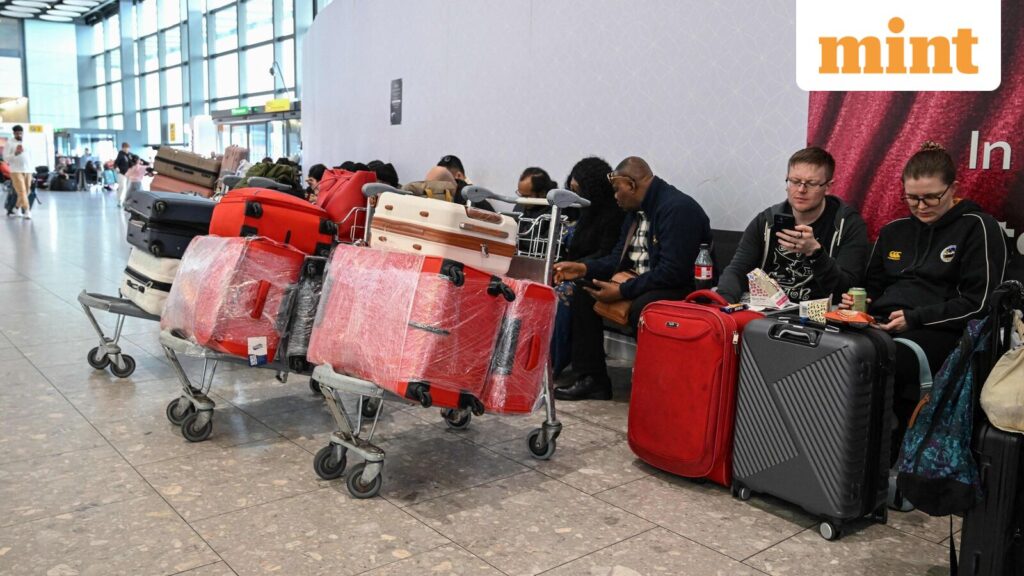
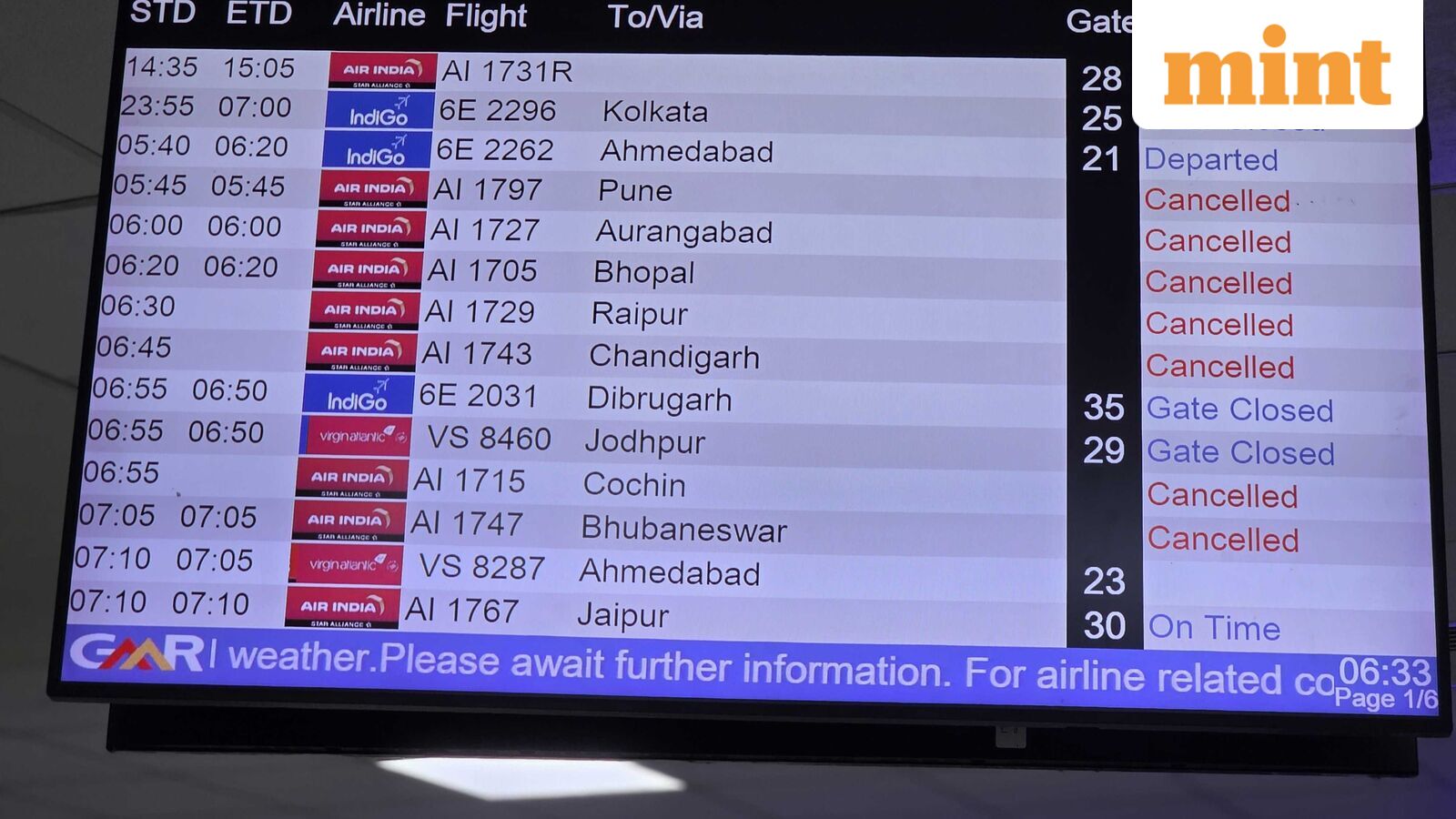
The immediate manifestation of this crisis has been widespread flight cancellations and diversions, directly impacting thousands of passengers and hundreds of scheduled services. On February 28th and March 1st, a staggering total of approximately 850 flights were grounded or significantly rerouted, comprising 410 on the first day and 440 on the second. This drastic measure followed a stern advisory issued by India’s Directorate General of Civil Aviation (DGCA) on February 28th, citing a "significant escalation in security risks" for civil aviation. The DGCA’s directive, which referenced a safety bulletin from the European Union Aviation Safety Agency (EASA), urged airlines to avoid operating across eleven critical Flight Information Regions (FIRs), encompassing Iran, Iraq, Israel, Jordan, Saudi Arabia, the UAE, Qatar, and Oman, until at least March 2nd. This sweeping restriction has effectively closed off a vital aviation artery, impacting not only direct Gulf routes but also long-haul connections extending to major hubs like London Heathrow and various Canadian cities.
For Indian carriers, West Asia is not merely another international market; it is a strategic linchpin for their global operations. The region serves as a crucial transit point for flights connecting India to Europe and North America, and more importantly, it is home to a vast Indian diaspora, driving immense demand for direct services. IndiGo, the nation’s largest airline by market share, has a substantial exposure, with analysts like Gagan Dixit, Senior Vice-President of Oil and Gas and Aviation at Elara Securities, estimating that 15-20% of its daily revenue is generated from West Asian routes. Furthermore, roughly 30% of IndiGo’s total capacity is dedicated to international operations, two-thirds of which are linked to the Middle East. Similarly, the Air India group, particularly its low-cost subsidiary Air India Express (AIX), holds a dominant position, operating nearly 335 weekly services to Gulf destinations, making it the largest Indian operator in the region with nearly half its total operations international. Akasa Air, a relatively new entrant, also felt the immediate brunt, suspending all its flights to and from Abu Dhabi, Doha, Jeddah, Kuwait, and Riyadh. Even the full-service carrier Air India operates approximately 15 daily departures from 13 Indian cities to six West Asian destinations, including Dammam, Doha, Dubai, Jeddah, Riyadh, and Tel Aviv.
The ₹500 crore figure, while substantial, represents only the immediate and quantifiable revenue loss. This calculation, based on an average round-trip ticket cost of ₹40,000, 450 flight cancellations, and an average of 200 seats per flight, covers lost ticket sales, passenger refunds, and initial rescheduling expenses. However, the true economic impact is far more extensive and multi-layered. Beyond direct ticket revenues, airlines face significant ancillary losses from cargo operations, which contribute a critical revenue stream, especially on long-haul and international routes. With flights cancelled or rerouted, valuable cargo capacity remains unused, translating into further revenue erosion.
The most insidious and potentially long-lasting financial blow stems from the inevitable surge in operating costs. The primary driver of this increase is the rerouting of flights to circumvent restricted airspace. Already, Indian carriers have been contending with prolonged restrictions over Pakistani and Afghan airspace, forcing longer westbound routings. The additional need to avoid multiple West Asian FIRs compels even more circuitous paths, significantly increasing flight durations. This extended airtime directly translates into higher fuel burn, which is the single largest cost component for any airline. An Air India executive, speaking anonymously, confirmed that such diversions can necessitate payload restrictions or even technical halts on ultra-long-haul sectors, further impacting efficiency and capacity. Longer flights also mean increased crew duty times, potentially leading to additional crew costs and more complex scheduling logistics, straining aircraft utilization rates.

Furthermore, the geopolitical crisis introduces an element of extreme volatility to global oil prices. Any perceived threat to oil production or transit in the Middle East can send crude benchmarks like Brent soaring. Airlines, particularly those with less robust fuel hedging strategies, become acutely vulnerable to such spikes in Aviation Turbine Fuel (ATF) costs. A sustained period of elevated fuel prices could quickly overshadow the initial revenue losses, severely compressing profit margins. This precarious environment also impacts other operational expenses, potentially including increased insurance premiums for war risk coverage on routes near conflict zones, adding another layer of cost pressure.
The broader economic ramifications extend beyond the balance sheets of individual airlines. The disruption to air travel and cargo services can ripple through supply chains, affecting India’s trade relationships with the Gulf and European markets. Businesses relying on timely air freight for high-value goods or perishable commodities face delays and increased logistics costs. For instance, India’s trade with the UAE alone exceeds $85 billion annually, much of which relies on efficient air connectivity. Moreover, the millions of Indian expatriates working in the Gulf region depend on accessible and affordable air travel for family visits and remittances. While a direct impact on remittances may not be immediate, a prolonged disruption could indirectly affect economic activity in the Gulf, potentially influencing future remittance flows. The tourism sector, both inbound and outbound, also suffers as travel becomes more complex, expensive, and uncertain, potentially deterring both leisure and business travelers.
This crisis arrives at a critical juncture for several Indian carriers. Air India Express, for example, had internal projections reviewed by Mint indicating an expected operating profit in the second half of 2025-26 – a significant milestone for the airline post-privatization. This geopolitical disruption now places those hard-won financial recovery targets at considerable risk. The financial strain also impacts carriers’ ability to invest in fleet expansion and network development, potentially slowing India’s ambitious plans to become a major global aviation hub. IndiGo, already having made strategic adjustments in January by cutting Central Asian routes (Baku, Almaty, Tashkent, Tbilisi) due to "geopolitical considerations" and reducing European frequencies in February due to "operational constraints" including airspace restrictions, demonstrates a proactive but limited ability to mitigate such widespread disruptions. These prior adjustments, including suspending the Delhi-Copenhagen route and reducing frequencies to London Heathrow and Manchester, reflect an ongoing struggle to manage a complex and volatile global operating environment.
Globally, such geopolitical flashpoints have historically forced aviation industries to adapt. The closure of Ukrainian airspace, for instance, has significantly altered flight paths between Europe and Asia, adding hours and costs to journeys. Indian aviation, however, is particularly susceptible given its geographic proximity to the West Asian theatre and its deep economic and social ties to the region. The industry’s resilience will be tested not just by its ability to absorb financial losses but also by its capacity for agile operational planning, strategic route diversification, and effective communication with affected passengers.
In conclusion, the escalating tensions in West Asia present a formidable challenge to Indian aviation, transcending the immediate ₹500 crore revenue hit. The long-term implications of sustained airspace restrictions, volatile fuel prices, increased operational costs, and the broader economic ripple effects pose a multi-billion rupee threat. As Indian airlines navigate this complex vortex of geopolitical instability, their ability to adapt, innovate, and strategically plan will be crucial in safeguarding their financial health and maintaining India’s vital air connectivity in an increasingly unpredictable world. The imperative for robust contingency planning and a dynamic response to global geopolitical shifts has never been more critical for the sector’s continued ascent.