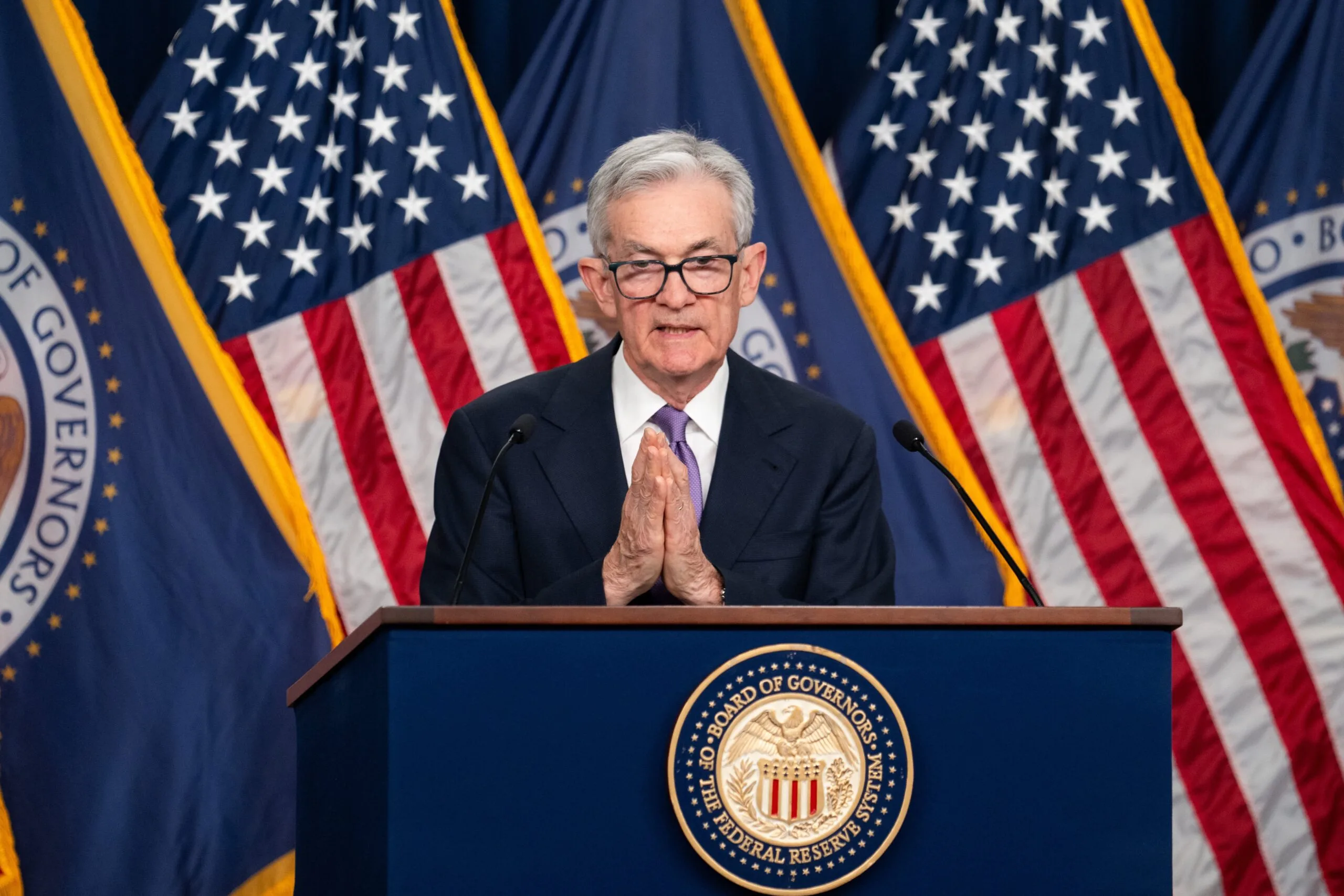
The Federal Open Market Committee (FOMC) has once again captured the attention of global financial markets, signaling a subtle but significant evolution in its approach to monetary policy. In its most recent policy statement, the Federal Reserve elected to maintain the federal funds rate at a 22-year high of 5.25% to 5.50%. However, the true narrative of the meeting lay not in the interest rate decision itself, which was widely anticipated, but in the nuanced linguistic shifts within the official communiqué. By comparing the latest text to the previous iteration released in January, a clear picture emerges of a central bank that is transitioning from a stance of aggressive tightening to one of cautious, data-dependent observation.
The alterations in the Fed’s statement reflect a complex balancing act. Since the tightening cycle began in March 2022, the central bank has been engaged in a relentless battle against the highest inflation seen in four decades. Now, as the headline Consumer Price Index (CPI) has retreated significantly from its 9.1% peak in June 2022, the FOMC is grappling with the "last mile" of its 2% target. The latest revisions to the policy statement suggest that while the committee acknowledges the progress made, it remains wary of declaring a premature victory over price pressures.
One of the most notable changes in the document concerns the committee’s assessment of the labor market and inflation trajectory. In previous statements, the Fed often characterized job gains as "robust." The updated language continues to reflect a strong labor market but does so with a heightened awareness of the cooling demand for workers. This distinction is critical for economists who are monitoring the "dual mandate"—the Fed’s twin goals of price stability and maximum sustainable employment. As the labor market begins to find a more sustainable equilibrium, the risk of a wage-price spiral—where rising wages force companies to raise prices, further fueling inflation—appears to be diminishing.
The central bank’s updated projections, often referred to as the "dot plot," provide a roadmap for the remainder of the year. Despite recent monthly inflation prints that came in slightly warmer than expected, the median projection among Fed officials still points toward three quarter-point rate cuts by the end of 2024. This resilience in the forecast suggests that the Fed views the recent bumps in inflation data as temporary "noise" rather than a fundamental reversal of the disinflationary trend. However, the removal of certain hawkish phrases regarding the necessity of further "firming" of policy indicates that the peak of the rate-hike cycle has almost certainly been reached.
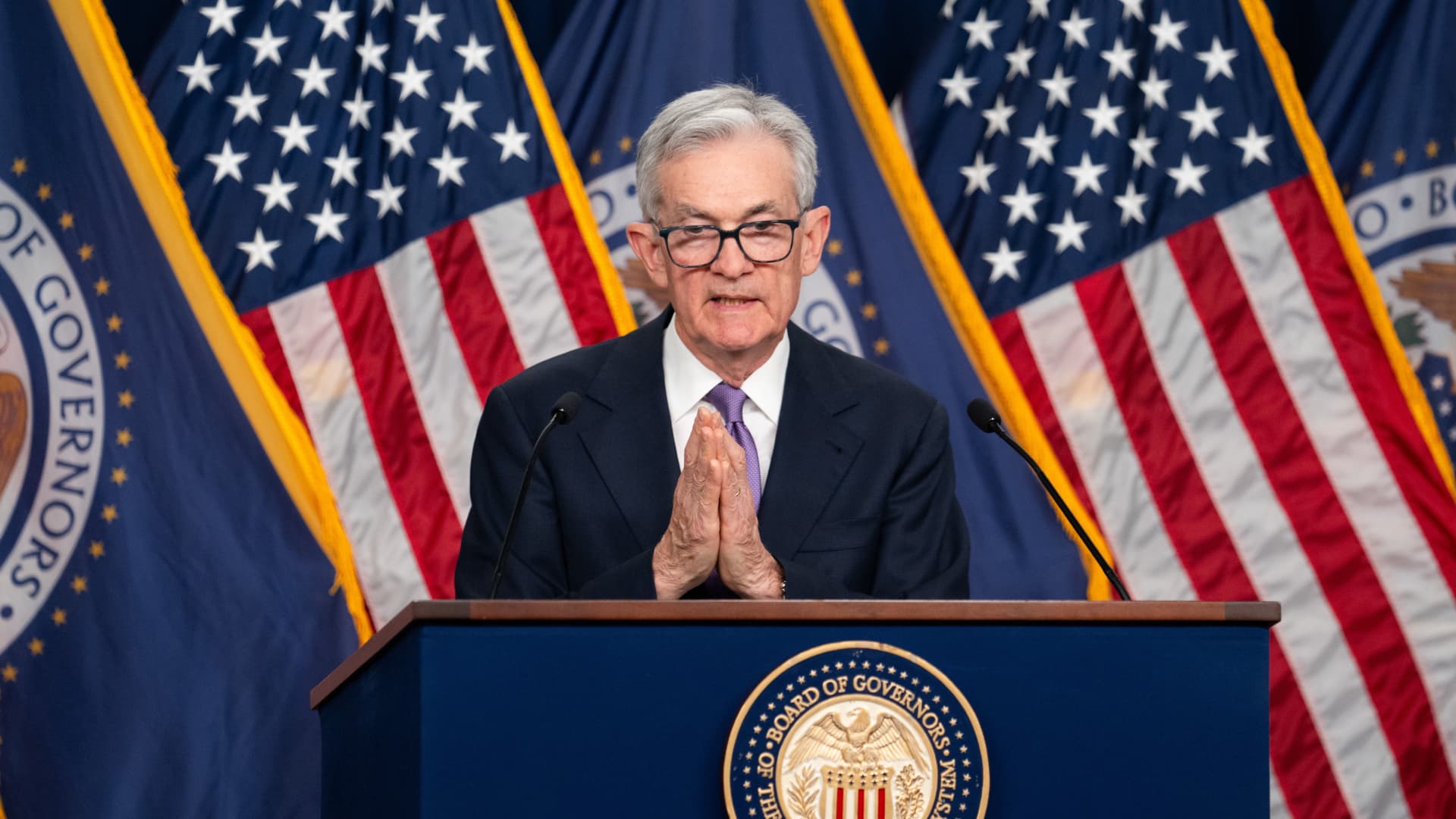
Market participants have reacted to these linguistic shifts with a mixture of relief and renewed scrutiny. Equity markets, which have shown remarkable resilience throughout the tightening cycle, found support in the Fed’s commitment to eventual easing. Conversely, the bond market has remained more volatile as traders recalibrate their expectations for the timing of the first cut. The yield on the 10-year Treasury note—a benchmark for global borrowing costs—continues to fluctuate based on how investors interpret the "higher for longer" narrative that Fed Chair Jerome Powell has consistently emphasized.
From an economic impact perspective, the Fed’s current stance exerts significant pressure on various sectors of the U.S. economy. The housing market, in particular, remains in a state of suspended animation, with mortgage rates hovering near 7%, deterring both buyers and sellers. Similarly, small businesses, which rely heavily on floating-rate debt, are feeling the pinch of elevated borrowing costs. The Fed’s cautious approach to cutting rates is designed to ensure that these pressures eventually subside without triggering a resurgence of inflation, a scenario often described as a "soft landing."
In a global context, the Federal Reserve’s policy trajectory remains the primary driver of international monetary trends. As the world’s reserve currency, the U.S. dollar’s strength is directly tied to the Fed’s interest rate path. A prolonged period of high U.S. rates has put pressure on emerging market economies, which often carry debt denominated in dollars. Furthermore, other major central banks, such as the European Central Bank (ECB) and the Bank of England (BoE), find themselves in a similar predicament. While inflation is cooling in the Eurozone and the UK, these institutions are hesitant to move ahead of the Fed, fearing that a widening interest rate differential could weaken their currencies and import further inflation.
The internal dynamics of the FOMC also warrant attention. The statement revisions reflect a consensus that is increasingly sensitive to the "balance of risks." In 2023, the primary risk was clearly the persistence of inflation. In 2024, the risk has become two-sided: cutting rates too early could reignite inflation, while waiting too long could cause unnecessary damage to the labor market and potentially trigger a recession. The subtle changes in the statement’s wording regarding "ongoing assessments" and "cumulative tightening" signal that the committee is now equally concerned with both possibilities.
One area where the Fed has maintained a steady hand is in its approach to quantitative tightening (QT). Alongside its interest rate policy, the Fed has been reducing its balance sheet by allowing maturing securities to roll off without reinvestment. This process drains liquidity from the financial system and serves as a secondary form of monetary tightening. While there has been discussion about when the Fed might begin to slow the pace of balance sheet runoff, the latest statement and subsequent press conferences suggest that the "tapering" of QT is a topic for future meetings, rather than an immediate priority.
As the 2024 presidential election approaches, the Federal Reserve’s independence will undoubtedly be tested. While the Fed is a technocratic institution that prides itself on being "apolitical," its decisions have profound political consequences. High interest rates are a frequent point of contention for incumbents seeking to highlight economic growth, while high inflation is a potent weapon for challengers. By relying on a transparent, data-driven framework and communicating through carefully curated statement changes, the Fed seeks to insulate its decision-making process from the political fray.
Looking ahead, the "dots" and the statement language will continue to evolve as new data points emerge. Key indicators to watch include the Personal Consumption Expenditures (PCE) price index—the Fed’s preferred inflation gauge—and the monthly Non-Farm Payrolls report. If service-sector inflation remains "sticky" or if housing costs fail to decline as anticipated, the Fed may be forced to maintain its current restrictive stance well into the second half of the year. Conversely, any sudden cracks in the labor market could accelerate the timeline for the first rate reduction.
Ultimately, the latest Federal Reserve statement serves as a bridge between the era of crisis-level inflation and a return to a more normalized economic environment. The transition is proving to be slow and deliberate, characterized by a central bank that prefers to err on the side of caution. For investors, businesses, and consumers, the message is clear: the era of "easy money" is a distant memory, and the path forward will be defined by a meticulous, incremental approach to recalibrating the world’s most influential economy. The linguistic nuances of the FOMC statement may seem minor to the casual observer, but in the world of high-stakes finance, they represent the difference between a successful economic transition and a destabilizing market correction. As the Fed continues to monitor the "totality of the data," the global financial community will remain fixated on every comma and conjunction in the statements to come.