

The landscape of obesity and diabetes management is on the precipice of a profound transformation, with 2026 marking a critical inflection point for the multi-billion-dollar weight-loss drug market. What has, until recently, been a fiercely contested duopoly between pharmaceutical giants Novo Nordisk and Eli Lilly, is now poised to fragment into a global battleground driven by the advent of oral therapies, the imminent expiry of key patents, and the aggressive entry of generic manufacturers. This shift promises to democratize access to these transformative treatments, reshape pharmaceutical revenue streams, and trigger a wave of innovation that will ripple through global healthcare systems and economies.
The Shifting Sands of Market Dominance
For several years, the market for GLP-1 receptor agonists, a class of drugs mimicking a natural gut hormone to regulate appetite and blood sugar, has been defined by the pioneering efforts of Novo Nordisk and the rapid ascendancy of Eli Lilly. Novo Nordisk initially seized a significant first-mover advantage with the launch of Ozempic for diabetes in 2018, followed by Wegovy for obesity in 2021. These injectable therapies quickly demonstrated remarkable efficacy in weight reduction and glycemic control, catapulting the Danish firm to unprecedented market valuations. However, Eli Lilly’s subsequent entry with Mounjaro for diabetes and Zepbound for obesity, utilizing the dual-agonist tirzepatide, rapidly recalibrated the competitive dynamic. Head-to-head clinical trials indicated that Eli Lilly’s offering delivered superior weight loss outcomes, reportedly achieving approximately 47% greater reduction than Wegovy in some studies. Coupled with a more robust and proactive approach to scaling production, Eli Lilly swiftly gained ground, capturing an estimated 60-70% of new US obesity prescriptions by 2025, while Novo Nordisk’s share receded to 30-40%. This dramatic shift in market capture was reflected in financial metrics: Eli Lilly reported a staggering 54% year-on-year revenue growth in the September quarter of 2025, largely propelled by its weight-loss portfolio, dwarfing Novo Nordisk’s 12% growth. Investor sentiment followed suit, with Eli Lilly’s market capitalization soaring past the $1 trillion mark, a historic first for a pharmaceutical company, while Novo Nordisk’s valuation experienced a significant correction from its 2024 peak.
The Oral Revolution and Production Imperatives
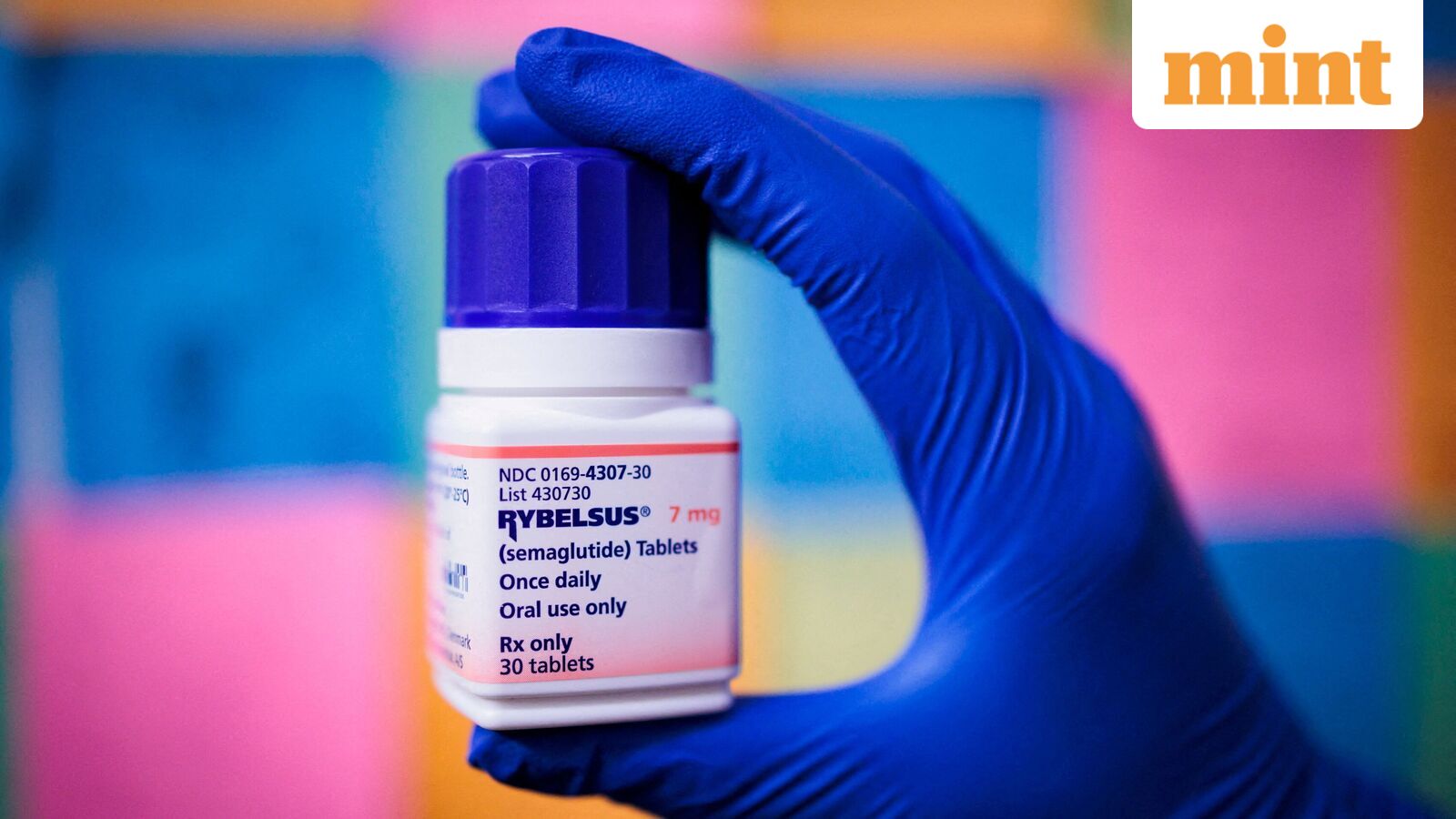
A pivotal development set to intensify competition is the introduction of oral formulations of these highly sought-after drugs. Novo Nordisk has already launched an oral version of Wegovy in the US, targeting patients with needle aversion and offering a starting dose at a significantly lower cash price of $149 per month compared to the injectable’s list price exceeding $1,300. This strategic pricing and delivery method are designed to expand patient accessibility and market penetration. Industry projections suggest that oral pills could capture over a third of the total obesity drug market by 2030, fundamentally altering consumer preferences and distribution channels. Eli Lilly is hot on its heels, with its own oral weight-loss drug, Orforglipron, anticipated to receive US Food and Drug Administration (FDA) approval by March 2026.
However, the shift to oral therapies introduces new complexities, particularly concerning manufacturing capacity. Oral formulations often require significantly larger quantities of the active pharmaceutical ingredient (API) per dose compared to injectables. For instance, Novo Nordisk’s oral semaglutide formulation demands substantially more API, raising concerns about the feasibility of rapidly scaling production to meet anticipated demand. Both companies have already grappled with chronic supply shortages for their injectable versions, leading to situations where Novo Nordisk had to limit starter doses of Wegovy in the US. This scarcity inadvertently fueled a grey market, with compounding pharmacies capturing an estimated 30% of the US market by offering unapproved, often cheaper, copycat versions.

In response to this insatiable demand, both pharmaceutical titans have embarked on unprecedented capital expenditure programs. Novo Nordisk has invested over $28 billion in capital expenditure over the past four years and strategically acquired contract manufacturer Catalent for $16.5 billion to secure three additional factories and significantly boost US manufacturing capacity. Similarly, Eli Lilly has committed $21 billion to capital expenditure over the same period, including a $3.7 billion investment in two new production facilities in Boone County, Indiana. These colossal investments underscore the strategic importance of supply chain resilience and the sheer scale required to address a market projected to surge from $22.8 billion in the US in 2025 to a peak of $68.5 billion by 2033, according to a May 2025 Goldman Sachs report.
The Impending Patent Cliff and Global Accessibility
The year 2026 marks a watershed moment due to the impending expiration of key patents for semaglutide, the active ingredient in Ozempic and Wegovy, in several major international markets, including China, India, Brazil, and Canada. This "patent cliff" will open the floodgates for generic and biosimilar manufacturers to legally produce and market lower-cost versions of these highly effective drugs, profoundly impacting global pricing and accessibility.
The timing of this development is particularly significant given the escalating global obesity crisis. The World Health Organization (WHO) reports that over a billion people worldwide are now living with obesity, with adult obesity rates more than doubling since 1990, a trend particularly pronounced in emerging economies. Countries like India, which already contend with the world’s second-largest population of type 2 diabetes patients, and China, with its vast and growing middle class, represent enormous untapped markets for weight-loss treatments. Recognizing the urgency, the WHO last year included diabetes and weight-loss drugs on its essential medicines list, a powerful endorsement urging pharmaceutical companies to lower prices and expand production globally. Even in the US, the Trump administration has engaged in negotiations with Eli Lilly and Novo Nordisk to secure price reductions of up to 71% for Medicare and Medicaid beneficiaries, in exchange for broader coverage and tariff exemptions, signaling a broader political will to make these drugs more affordable.
Emerging Markets: The New Frontier for Generics and Partnerships
In emerging markets, where healthcare is largely out-of-pocket, the high cost of branded GLP-1 agonists has been a significant barrier to access. The entry of generic players, operating on a high-volume, low-cost model, is expected to dramatically reduce monthly treatment costs, with some analysts predicting prices as low as $15-50 in certain regions. This price reduction is crucial for unlocking the full market potential in these economies.
Pharmaceutical companies in India and China are already positioning themselves to capitalize on this opportunity. In India, Dr. Reddy’s Laboratories is preparing to launch its semaglutide version in 87 countries, while Cipla and Sun Pharma are actively developing their own formulations. Biocon, an Indian biopharmaceutical company, already markets a generic version of an older weight-loss drug, Liraglutide, in the UK and has inked a deal to distribute generic semaglutide in Brazil. India’s robust pharmaceutical export sector, which accounts for half of its industry, is well-suited to become a major supplier of affordable GLP-1 generics. Similarly, in China, domestic manufacturers like Huadong Medicine and CSPC Pharmaceutical Group have sought regulatory approval for their semaglutide versions.

In anticipation of this generic onslaught, Novo Nordisk has proactively slashed Wegovy’s price in India by up to 37% (to ₹10,850-16,400 per month) and reduced prices in China to enhance the competitiveness of its branded products. Both Novo Nordisk and Eli Lilly are also forging strategic partnerships with local firms to deepen their market penetration in these regions. Novo Nordisk has collaborated with Emcure in India, while Eli Lilly has partnered with Cipla to expand distribution beyond major urban centers, aiming to reach a broader patient base.
Defensive Strategies and Future Innovations
In an effort to safeguard their lucrative primary markets, Novo Nordisk and Eli Lilly are deploying multifaceted defensive strategies. This includes aggressive patent filing, with Novo Nordisk, for instance, filing over 320 secondary patent applications and securing 49 patents covering various product modifications and formulations. These actions aim to delay generic entry in key markets like the US and Europe, potentially extending exclusivity until 2042. Eli Lilly already holds robust patent protection for tirzepatide, its active ingredient, extending into the mid-2030s.
Beyond legal defenses, both incumbents are also confronting a burgeoning ecosystem of innovative startups. Companies like Kailera Therapeutics and Verdiva Bio have raised hundreds of millions in funding for their obesity pipelines, while Structure Therapeutics and Viking Therapeutics are developing novel oral candidates designed to compete directly in the rapidly expanding pill market.
The long-term strategy for the established players, however, lies in continuous innovation. Eli Lilly is advancing retatrutide, a "triple G" agonist that has demonstrated exceptional efficacy, achieving up to 24% weight loss in clinical trials. Novo Nordisk is developing CagriSema, a combination therapy promising weight loss beyond current Wegovy levels, and Amycretin, an intriguing oral candidate. This relentless pursuit of next-generation treatments is critical, not just for competitive advantage, but also to address the fundamental challenge of weight recidivism: studies, including one published in the British Medical Journal, indicate that patients who discontinue GLP-1 therapies often regain most of the weight lost within 18 months. The future of obesity management, therefore, hinges not only on initial efficacy and accessibility but also on the development of sustainable, long-term solutions that prevent weight regain and improve overall metabolic health for a global population in urgent need.