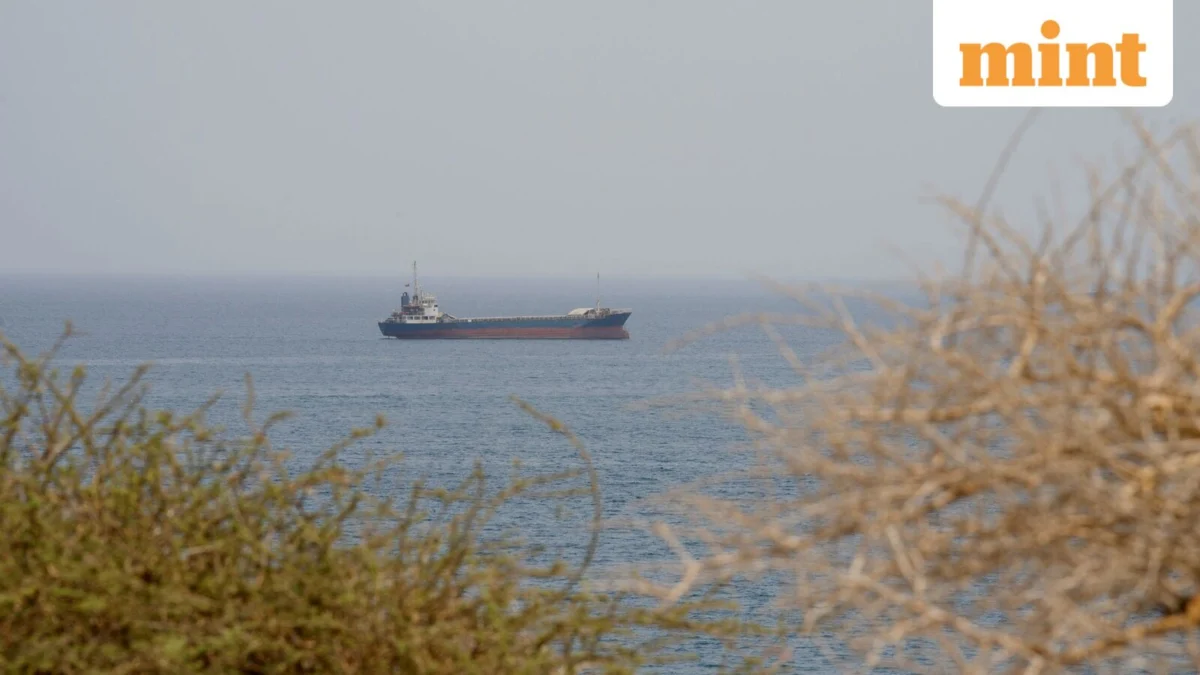
Middle Eastern energy producers are actively engaged in discreetly transporting substantial volumes of crude oil from the Persian Gulf, a critical maneuver that has demonstrably helped to temper global prices and alleviate fears of a significant energy-driven inflationary surge, even as regional geopolitical tensions persist. This clandestine maritime trade, involving the seamless shuttling of oil through the Strait of Hormuz before transferring barrels onto larger tankers in the Gulf of Oman, is operating at full capacity. This sustained activity continues despite a series of recent attacks on commercial vessels, according to insights from industry sources intimately familiar with these complex logistics.
For global markets, which had braced for a considerably more severe supply shock following the intensification of conflict in the Gulf, these incognito crossings through the world’s most vital energy chokepoint have emerged as an unexpected lifeline. Predictions of Brent crude soaring to $150 per barrel, widely circulated among analysts and traders, have been averted, with futures largely trading within the $80 to $90 range throughout recent months. This relative stability underscores the profound impact of these hidden operations, yet for the producing nations and their maritime crews, the operational environment is anything but normal, characterized by recurrent hostilities despite the presence of some military escorts and protection.
The precise scale of these "dark" shipments remains one of the most significant challenges for energy market analysts and traders. Vessels involved in these transfers often operate with their Automatic Identification System (AIS) transponders switched off, deliberately obscuring their movements and making accurate tracking exceptionally difficult. While initial market estimates hovered around 4 million barrels per day (b/d) for these untracked flows, informed sources indicate the actual volumes are considerably higher. This was underscored recently when a senior U.S. Energy Department official disclosed that approximately 9 million b/d had transited Hormuz over a recent seven-day period. This figure startled many market participants, representing nearly half of the pre-conflict daily flow of approximately 20 million barrels that historically traversed the strait, which accounts for roughly one-fifth of the world’s total oil supply.
The sustained flow of these unquantified, yet evidently massive, volumes has been a pivotal factor in preventing an acute global energy crisis. This covert trade works in concert with other stabilizing mechanisms, including strategic petroleum reserve releases by major consuming nations, the utilization of alternative pipeline routes where available, and a degree of demand moderation influenced by global economic slowdowns. The combined effect has shielded the global economy from a more devastating energy price shock, mitigating the risk of widespread inflation and potential recessionary pressures that would undoubtedly accompany a spike to the $150 per barrel mark. Such a scenario would ripple through supply chains, inflate manufacturing costs, and erode consumer purchasing power across continents.
However, this critical economic stabilization comes at a substantial human and environmental cost. Operating in an environment marked by repeated aggression, merchant vessels and their crews face constant peril. The Abu Dhabi National Oil Co. (ADNOC), a key regional producer, has publicly stated that 23 of its vessels have been attacked while transiting Hormuz since the escalation of regional conflict, resulting in one fatality and 20 injuries to crew members. The company emphasized that such disruptions extend far beyond the immediate region, impacting businesses and households globally. "An attack on the infrastructure that keeps energy flowing is not simply an attack on a company," ADNOC asserted, highlighting the profound and far-reaching consequences of these unprovoked assaults.
Beyond direct attacks, the clandestine nature of these transits carries inherent risks. The difficulty in tracking vessels, particularly those with disabled transponders, exacerbates the challenge of responding to incidents. Recent satellite imagery, for instance, revealed a significant oil spill in the Gulf of Oman, but its origin remains unknown, underscoring the lack of accountability and the potential for unaddressed environmental damage in this opaque operational zone. Furthermore, the constant threat of aggression creates market uncertainty for buyers, particularly those in Asia who rely heavily on Gulf crude. While shipment delays are often brief, they introduce volatility and require sophisticated risk management strategies from importers.
The list of regional producers leveraging these covert arrangements extends beyond the UAE. According to detailed vessel-tracking data compiled by leading maritime intelligence firms like Bloomberg, Kpler, and Vortexa, crude cargoes from Iraq, Qatar, and Kuwait have also been observed departing Hormuz under these discreet shuttling procedures. This widespread adoption of the "dark trade" underscores its perceived necessity in maintaining supply continuity in a volatile environment. Insurers, too, report a consistent influx of requests for coverage from a diverse range of Gulf producers, reflecting the pervasive reliance on these high-risk routes. Pankaj Khanna, CEO of Heidmar Maritime Holdings Corp., succinctly captured the sentiment, stating, "It’s a dark trade. It’s the only option right now as not all owners are willing to take the risk."
A notable development in this evolving maritime landscape is the tentative shift observed in Saudi Arabia’s operational strategy. Historically, the Kingdom has leveraged its Red Sea pipeline system to bypass the Strait of Hormuz for a significant portion of its crude exports, offering a more secure route. However, with increasing threats from Yemen’s Iran-backed Houthi militants targeting Red Sea shipping lanes, Saudi Arabia appears to be reassessing its options. Recent satellite and vessel tracking data indicate heightened activity from Saudi ports within the Persian Gulf, such as the giant Ras Tanura export hub. Concurrently, the national tanker company, Bahri, has been strategically positioning a growing number of supertankers off Oman’s coast, the designated rendezvous point for ship-to-ship transfers. At present, 16 supertankers capable of collectively hauling 38 million barrels are stationed there, with an additional three en route, signaling a potential expansion of Saudi involvement in these indirect shipping channels. While Saudi Aramco and Bahri have declined to comment on these operational details, the observed movements suggest a pragmatic adaptation to evolving regional threats.
The ongoing reliance on these precarious and largely untracked oil flows highlights a critical paradox in global energy security. While the "dark fleet" provides an indispensable service by stabilizing crude prices and preventing economic turmoil, it simultaneously operates under extreme duress, posing significant risks to human life, marine ecosystems, and the principles of transparent maritime commerce. The long-term sustainability of this model remains questionable. Any significant escalation of regional conflict, coupled with an inability to effectively mitigate risks or address the growing human and environmental toll, could rapidly undermine this fragile stability. The current situation thus represents a precarious equilibrium, where the global economy’s thirst for affordable energy is being quenched by a dangerous and largely unseen network, constantly balancing on the precipice of broader geopolitical instability.