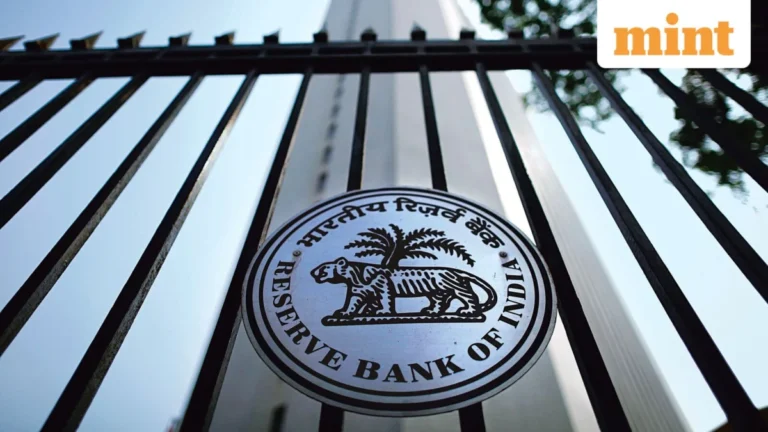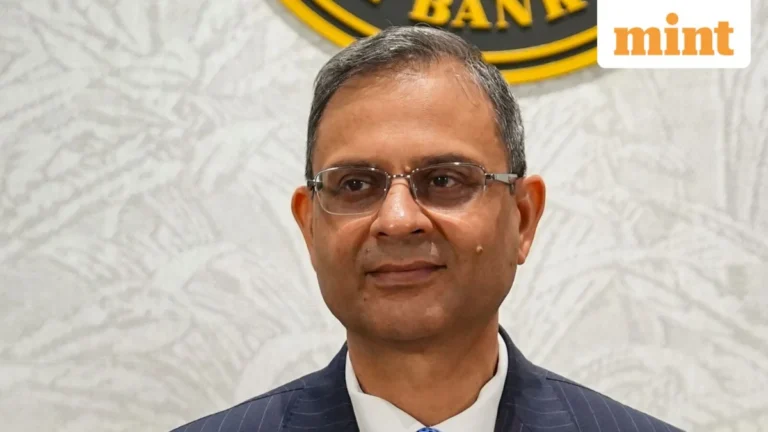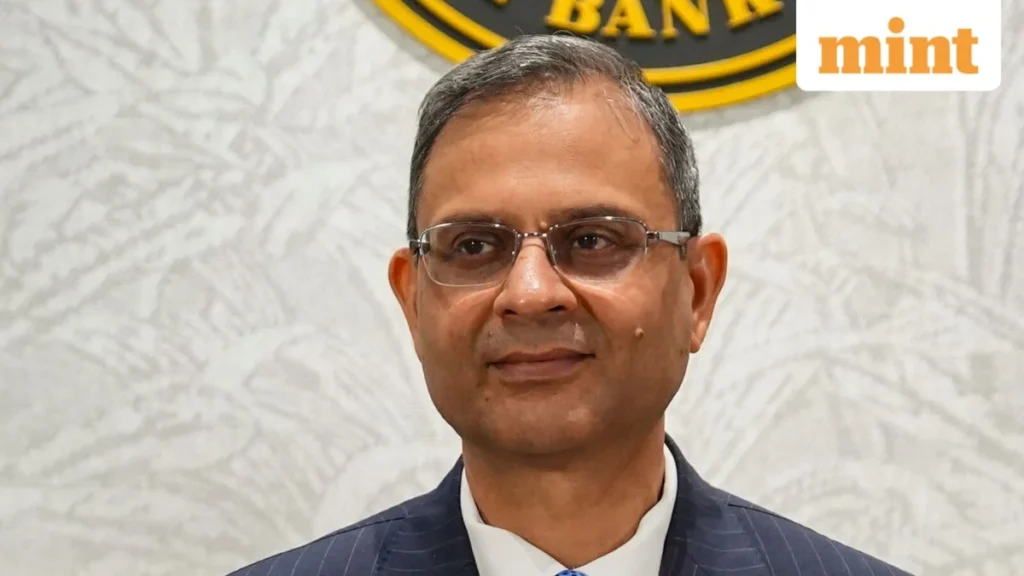


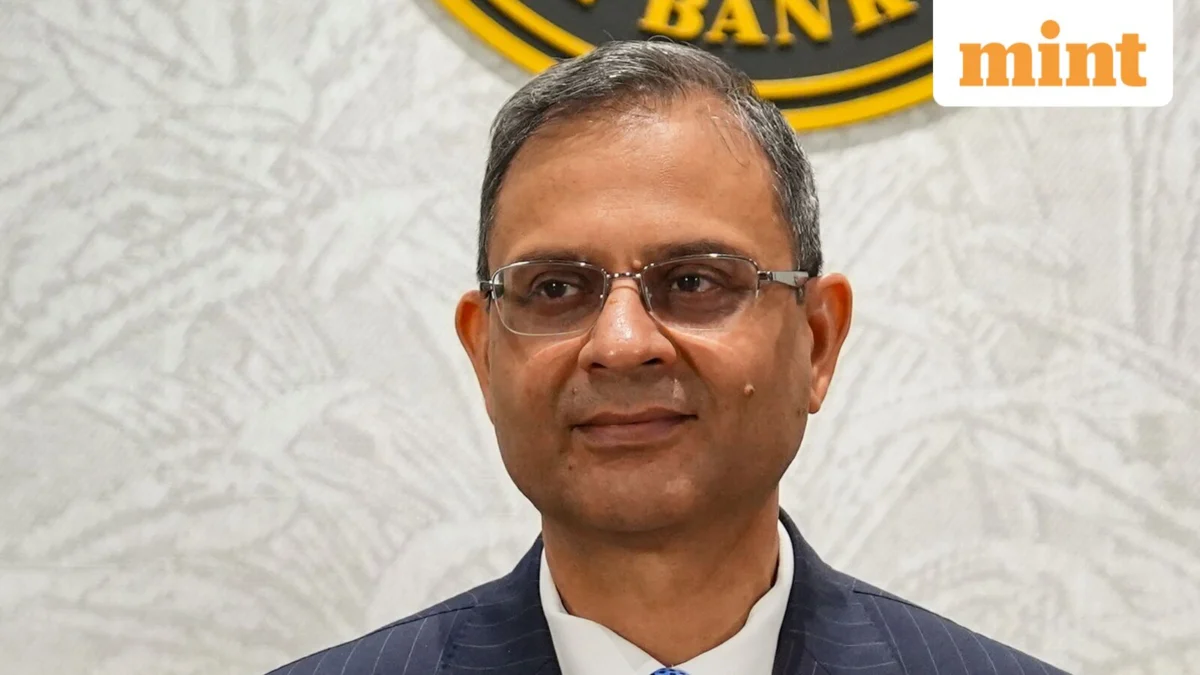
The robust information technology infrastructure underpinning India’s major banking institutions is demonstrably strong and resilient, according to Reserve Bank of India (RBI) Governor Sanjay Malhotra. This reassurance comes at a critical juncture for the financial sector, closely following a significant cyber breach at the state-owned Bank of Baroda (BoB) that underscored the persistent and evolving nature of digital vulnerabilities. Malhotra emphasized that while new threats continuously emerge alongside advancements in the IT sector, banks and other regulated financial entities are engaged in an ongoing, rigorous process of enhancing their security protocols and operational resilience. The central bank, he noted, maintains a vigilant supervisory role, regularly scrutinizing systems, identifying potential weaknesses, and mandating corrective measures to ensure continuous safety.
India’s financial landscape has undergone a profound digital transformation over the past decade, driven by initiatives like the Unified Payments Interface (UPI) and widespread adoption of internet and mobile banking. This rapid digitization has undeniably democratized financial access and fueled economic growth, but it has also expanded the attack surface for cyber adversaries. With hundreds of millions of customers engaging in billions of digital transactions annually, Indian banks have become prime targets for sophisticated cybercrime syndicates and even state-sponsored actors. The sheer volume of sensitive data – from personal identification details to complex financial transaction records – makes these institutions invaluable targets, necessitating an ironclad defense posture.
The recent incident at Bank of Baroda serves as a stark reminder of these pervasive risks. Reports indicate that the breach, stemming from the compromise of an employee’s email account, led to the exposure of approximately one terabyte of critical data. This digital trove allegedly included a wide array of sensitive information: savings and current account records, loan documentation, net banking user details, Aadhaar numbers, records pertaining to Non-Resident Indian (NRI) and corporate banking clients, customer support files, and granular branch and ATM-related information. While the bank maintained that the breach was not expected to materially impact its operations, financial performance, or business continuity, the scale and nature of the exposed data highlight the severe potential for identity theft, fraud, and significant reputational damage. Such incidents, even if contained, can erode public trust in the financial system, which is the bedrock of economic stability.
The RBI’s regulatory oversight extends beyond mere guidelines; it involves a rigorous, proactive supervisory framework designed to anticipate and mitigate risks. Governor Malhotra’s assertion about "checks and balances" reflects a multi-layered approach that includes prescriptive regulations, regular audits, and continuous monitoring. The central bank routinely conducts comprehensive assessments of banks’ IT systems, identifying shortfalls and vulnerabilities, and then closely tracking the implementation of suggested remedial actions. This iterative process of identification, recommendation, and follow-up is crucial for maintaining dynamic security postures against an adversary that constantly adapts its tactics. Globally, central banks and financial regulators, drawing lessons from frameworks like the Basel Committee on Banking Supervision’s principles for sound management of operational risk, emphasize the necessity of robust IT governance, risk management, and business continuity planning.

The evolving threat landscape is particularly challenging due to advancements in artificial intelligence (AI), especially generative AI models like OpenAI’s ChatGPT. While AI offers immense potential for enhancing financial services and cybersecurity defenses, it also arms malicious actors with unprecedented tools. Generative AI can be leveraged to craft highly convincing phishing emails, generate sophisticated malware, automate reconnaissance, and even create deepfakes for advanced social engineering attacks, making traditional detection methods less effective. Recognizing this paradigm shift, the RBI had previously mandated banks to submit a board-approved review of their cybersecurity gaps within two months and formulate a comprehensive AI governance and security framework. This directive underscores the regulator’s foresight in addressing emerging threats, though updates on the implementation of these frameworks are still awaited.
Indian banks are responding to these threats by investing heavily in cutting-edge cybersecurity technologies and expertise. This includes the deployment of AI and machine learning-driven threat detection systems, adoption of zero-trust architectures, robust encryption protocols, and multi-factor authentication across all digital touchpoints. Furthermore, there’s a growing emphasis on strengthening human defenses through extensive employee training and awareness programs, particularly in light of incidents like the BoB breach, which reportedly originated from an email compromise. Collaborations with specialized consultancy firms such as EY and Boston Consulting Group (BCG) are becoming increasingly common, with these experts assisting banks in identifying nuanced vulnerabilities that could be exploited by sophisticated AI models and other advanced persistent threats. These partnerships aim to build resilient systems that can withstand a spectrum of attacks, from simple phishing to complex nation-state sponsored cyber warfare.
The economic ramifications of cyberattacks on the financial sector are substantial. A June report by BCG and the Data Security Council of India revealed a staggering increase in cyberattacks and breaches targeting Indian banks, recording over 493,000 incidents in calendar year 2025. This figure represents more than double the attacks observed in 2022, a period coinciding with the mainstream emergence of generative AI. The report further highlighted that, on average, each cyber breach cost approximately $2.5 million and took an average of 263 days to resolve. These costs encompass not only direct financial losses but also expenses related to incident response, forensic investigations, legal fees, regulatory fines, and long-term reputational repair. Beyond individual institutional costs, systemic cyber failures could disrupt critical financial infrastructure, impede capital flows, deter foreign investment, and ultimately hinder national economic stability. RBI Deputy Governor Swaminathan J. reiterated in June that the issue of bolstering cyber defenses is a shared priority, actively engaging the attention of both the government and inter-regulatory forums within the financial sector, underscoring its macroeconomic significance.
Globally, financial institutions face similar pressures, leading to a coordinated international effort to combat cybercrime. India’s approach, while tailored to its unique digital ecosystem and customer demographics, aligns with global best practices that emphasize information sharing, cross-border collaboration, and continuous innovation in cybersecurity. However, specific challenges persist, including a significant talent gap in cybersecurity professionals, the inherent tension between fostering innovation and ensuring stringent security, and the need to maintain regulatory agility in a rapidly changing technological landscape. The digital arms race between cyber defenders and attackers is an ongoing battle, requiring perpetual vigilance, adaptation, and investment.
In conclusion, while the RBI Governor’s statements offer reassurance regarding the strength of India’s large banking IT systems, they simultaneously underscore a dynamic and intensifying challenge. The financial sector’s commitment to continuous strengthening of security and resilience is not merely a compliance exercise but a strategic imperative to safeguard customer assets, maintain systemic stability, and foster economic growth in an increasingly digital world. The journey towards an impregnable digital frontier is perpetual, demanding unwavering vigilance, strategic investment, and collaborative action from all stakeholders.