The Indian government has initiated a significant legislative move, proposing an amendment to the Payment and Settlement Systems (PSS) Act, 2007, which could fundamentally reshape the financial architecture underpinning the nation’s ubiquitous Unified Payments Interface (UPI). This amendment, recently introduced in the Lok Sabha, is not an immediate directive to levy charges but rather an enabling provision. It grants the Reserve Bank of India (RBI) and the central government the statutory authority to potentially reintroduce the Merchant Discount Rate (MDR) on select UPI transactions, a policy reversal that could have far-reaching implications for India’s rapidly evolving digital economy.
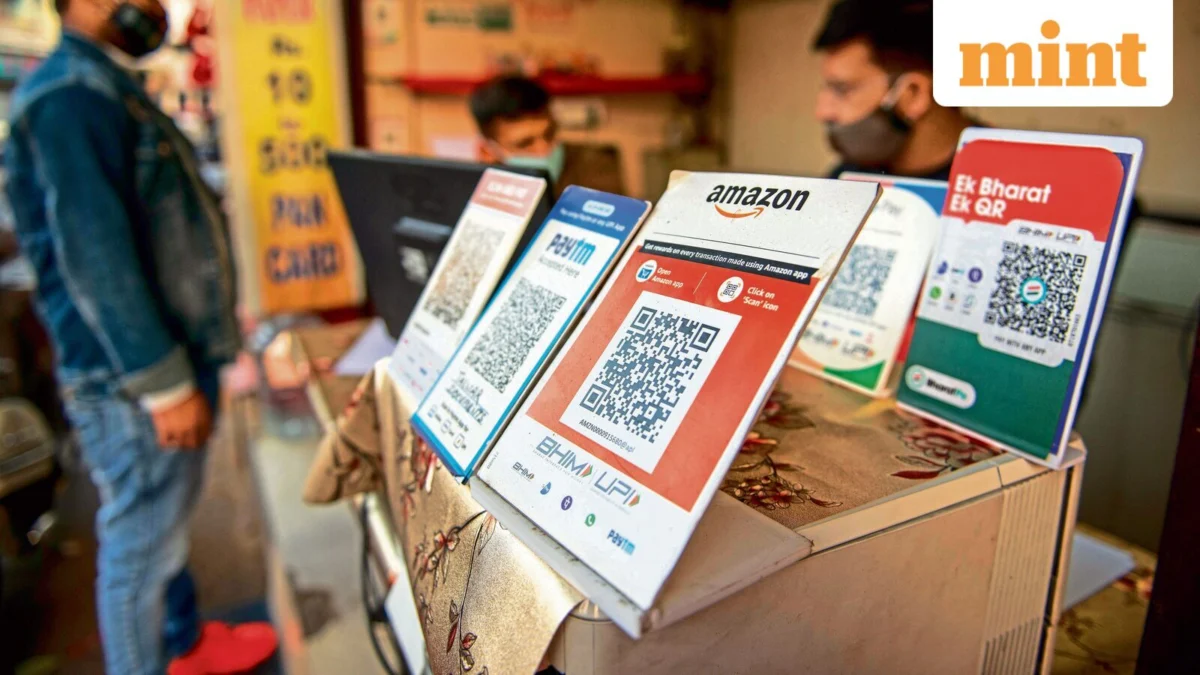
MDR, in essence, is a nominal fee levied on merchants for every digital payment transaction processed. This charge is a standard component of most debit and credit card transactions globally, compensating the various entities involved in facilitating the payment – including the acquiring bank (which processes the merchant’s transactions), the card network (like Visa or Mastercard), and the issuing bank (which issues the customer’s card). For UPI, however, the government implemented a zero-MDR policy in January 2020, a strategic decision aimed at turbocharging the adoption of digital payments across the country by making transactions free for both consumers and merchants. This policy has undeniably fueled UPI’s exponential growth, transforming it into a global benchmark for instant, interoperable digital payments.
The phenomenal success of UPI is well-documented. It has democratized digital transactions, bringing millions of small merchants and consumers into the formal financial fold. Recent data underscores this ascendancy, with UPI recording a staggering 23.66 billion transactions valued at approximately ₹29.88 trillion (around $313.47 billion) in July 2026, marking an unprecedented monthly volume. This growth trajectory highlights UPI’s critical role in India’s economic fabric, underpinning everything from street vendor transactions to large e-commerce purchases. However, beneath this impressive facade lies a persistent structural challenge: the absence of a sustainable revenue model for the vast ecosystem that supports UPI.
The zero-MDR regime, while instrumental in driving adoption, has imposed substantial costs on the payment ecosystem. Banks, payment service providers, and technology firms bear the burden of maintaining robust payment infrastructure, investing heavily in cybersecurity, fraud detection systems, and technological upgrades without a direct revenue stream from UPI transactions. Industry reports from fiscal year 2025 indicated that despite payments contributing significantly to the fintech industry’s ₹1.03 trillion revenue, the sector collectively posted an aggregate loss of ₹5,300 crore, largely attributable to the unremunerated costs associated with processing high-volume, zero-MDR transactions. This financial strain has raised questions about the long-term viability and innovation potential of the ecosystem, prompting calls for a re-evaluation of the current policy.
The proposed amendment to the PSS Act, 2007, specifically targets Section 10A. Currently, this section broadly prohibits banks and system providers from imposing charges on electronic payment modes notified under a specific provision of the Income-tax Act. The amendment seeks to remove this blanket prohibition and instead empower the central government to separately notify which electronic payment modes will remain charge-free. This subtle but crucial shift means that while the existing ban on levying fees on users remains, the list of exempted payment modes will no longer be automatic. Legal experts, such as Rohit Jain, managing partner at Singhania & Co., clarify that this legislative change is merely a foundational step. It does not automatically reintroduce MDR on UPI or RuPay; rather, it provides the legal framework for such a decision to be made through subsequent notifications and regulations by the government or the RBI.

The rationale behind this legislative initiative is rooted in fostering a self-sustaining digital payments ecosystem. Globally, payment systems rely on fees to fund their operations, innovation, and expansion. In China, for instance, dominant platforms like WeChat Pay and Alipay charge merchants transaction fees, albeit at rates that have seen adjustments over time. In many European and American markets, card networks and banks derive significant revenue from interchange fees and MDR, which in turn supports their infrastructure and customer loyalty programs. India’s unique zero-MDR model for UPI, while excellent for public good and adoption, has created a dichotomy where the public utility aspect clashes with commercial sustainability. By enabling MDR, the government aims to inject a revenue stream that could incentivize further investment, innovation, and competition within the payment processing industry.
Should MDR be reintroduced, the primary beneficiaries would likely be players across the entire payments value chain. Acquiring banks, which process merchant transactions, payment gateways like Razorpay and PayU, merchant payment solutions providers such as Pine Labs, and Third-Party Application Providers (TPAPs) like PhonePe, stand to gain significantly. A revenue share from MDR could transform their financial outlook, allowing for greater investment in technology, security, and market expansion. This could lead to a virtuous cycle of improved services, enhanced security features, and potentially, a more diverse range of financial products integrated with UPI.
The impact on merchants, however, is a more nuanced consideration. Industry projections suggest that any reintroduction of MDR on UPI would likely be highly calibrated. It is widely anticipated that charges would be selectively applied, perhaps limited to large merchants, commercial transactions exceeding a certain value (e.g., above ₹2,000), or specific categories of payments. The government is keen to avoid any measure that could impede UPI’s widespread adoption, especially among small businesses and in rural areas, which have been pivotal to its success. For example, a retailer selling a ₹30,000 television might incur a small percentage as MDR, similar to existing card payment structures. However, for a small street vendor processing micro-transactions, the zero-MDR policy is expected to remain, ensuring continued accessibility and affordability.
Crucially, the burden of MDR is universally understood to fall on the merchant, not the consumer. This principle, prevalent in global payment systems, ensures that customers continue to use digital payment methods without direct friction or additional charges. The merchant pays because they benefit from the convenience, security, and increased sales volume facilitated by digital payments. As Mohit Agarwal, executive director at Unaprime Investment Advisors, noted, "The government wants to ensure that consumers continue using UPI without friction while also creating a monetisation model for the ecosystem." The potential reintroduction of MDR is therefore a delicate balancing act: empowering the payment ecosystem with sustainable revenue while safeguarding consumer interests and maintaining the momentum of digital inclusion.
Furthermore, the amendment opens up possibilities for differentiated MDR structures. Categories such as tax payments, insurance premiums, rent, or investments, where platforms might already charge convenience fees, could potentially remain exempt to prevent users from reverting to cash or other payment methods. This flexibility would allow the government and RBI to fine-tune policies, responding to market dynamics and specific sectoral needs. The journey from legislative amendment to actual policy implementation will involve extensive consultation and careful deliberation, with the RBI and government needing to issue detailed rules specifying applicable merchants, transaction types, and fee structures.
In conclusion, the proposed amendment to the PSS Act marks a pivotal moment for India’s digital payments landscape. It signifies a strategic shift from a purely adoption-driven, public utility model for UPI towards one that seeks to balance widespread access with ecosystem sustainability. While the immediate impact is limited to enabling future policy changes, the long-term implications are profound. A carefully implemented MDR regime could unlock new avenues for innovation, attract further investment into India’s fintech sector, and ensure the continued robustness and evolution of UPI. However, the path forward requires judicious policy-making to ensure that the economic benefits of a self-sustaining payment ecosystem do not inadvertently stifle the digital revolution that UPI has so successfully championed. Until further notifications are issued, UPI transactions will continue to remain free for both consumers and merchants, allowing for a period of careful assessment and stakeholder engagement before any definitive changes are enacted.