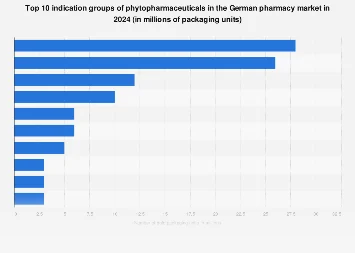
The global market for phytopharmaceuticals, derived from plant-based sources and increasingly recognized for their therapeutic efficacy, is poised for significant growth in 2024, with several key indication groups dominating sales. This burgeoning sector, bridging traditional herbal medicine with modern pharmaceutical standards, is attracting substantial investment and consumer interest, driven by a growing preference for natural remedies and a desire for complementary treatments to conventional medicine. As regulatory frameworks mature and scientific validation strengthens, phytopharmaceuticals are solidifying their position as a vital component of the healthcare landscape, with specific therapeutic areas emerging as prime revenue generators.
Among the leading segments, those addressing cardiovascular health and inflammatory conditions are expected to command the largest market share in 2024. The prevalence of lifestyle-related cardiovascular diseases worldwide continues to fuel demand for natural interventions that can support heart function, manage blood pressure, and improve cholesterol profiles. Phytochemicals such as omega-3 fatty acids, found in fish oil and certain plant seeds, along with antioxidants like resveratrol from grapes and flavonoids from various fruits and vegetables, are central to these formulations. Market research indicates that consumers are actively seeking preventative and supportive measures for heart health, making this a consistently strong performing category. The global cardiovascular drugs market, a broader category encompassing both synthetic and natural compounds, is projected to reach hundreds of billions of dollars, and the phytopharmaceutical contribution within this is substantial and growing.
Inflammatory diseases, ranging from arthritis and autoimmune disorders to chronic inflammatory bowel conditions, represent another major sales driver. The anti-inflammatory properties of many plant extracts, such as curcumin from turmeric, boswellic acids from frankincense, and gingerols from ginger, are well-documented and increasingly utilized in both over-the-counter supplements and prescription-grade phytopharmaceutical products. The long-term management of chronic inflammation often involves a complex interplay of treatments, and phytopharmaceuticals offer a compelling option for patients seeking to reduce reliance on synthetic anti-inflammatories with potential side effects. The global inflammation treatment market is vast, and the natural segment within it is experiencing a compound annual growth rate (CAGR) that outpaces some traditional drug classes, reflecting a paradigm shift in treatment approaches.
The neurological and cognitive health segment is also exhibiting robust growth. With an aging global population and increased awareness of the impact of stress and lifestyle on brain function, demand for phytopharmaceuticals aimed at enhancing memory, improving focus, and mitigating neurodegenerative processes is on the rise. Ginkgo biloba,Bacopa monnieri, and lion’s mane mushroom are prominent examples of plant-derived compounds being formulated into products for cognitive enhancement and support. The increasing research into the gut-brain axis and the role of microbiota in neurological health is also opening new avenues for phytopharmaceutical development, further boosting this segment. The global nootropics market, which includes phytopharmaceuticals, is projected for substantial expansion over the next decade.
Furthermore, the immune support category continues to be a significant contributor to phytopharmaceutical sales, particularly in the wake of heightened global health consciousness. Products containing echinacea, elderberry, astragalus, and various medicinal mushrooms are widely sought after for their perceived ability to bolster the immune system and ward off infections. While the pandemic accelerated interest in this area, the sustained demand reflects a broader trend towards proactive health management. The global immune health supplements market is a multi-billion dollar industry, with phytopharmaceuticals holding a considerable and expanding share.
The digestive health segment, encompassing probiotics, prebiotics, and specific herbal remedies for conditions like irritable bowel syndrome (IBS) and acid reflux, is another area of consistent performance. Plant-based fibers, digestive enzymes derived from fruits like papaya and pineapple, and traditional herbal bitters are all contributing to this market. Consumers are increasingly seeking natural solutions for gastrointestinal discomfort, aligning with the growing understanding of the gut microbiome’s importance for overall well-being.
Geographically, North America and Europe remain the largest markets for phytopharmaceuticals, driven by high disposable incomes, advanced healthcare infrastructure, and strong consumer demand for natural and organic products. However, the Asia-Pacific region is emerging as a powerhouse of growth, fueled by a long-standing tradition of herbal medicine, a rapidly expanding middle class, and increasing regulatory acceptance of plant-based therapeutics. Countries like China and India, with their rich pharmacopoeias, are not only major consumers but also significant producers and exporters of phytopharmaceutical ingredients and finished products. Emerging markets in Latin America and Africa also present considerable untapped potential as awareness and access to these natural health solutions grow.
The economic impact of the expanding phytopharmaceutical sector is multifaceted. It stimulates agricultural innovation and sustainable sourcing practices, creating new opportunities for farmers and rural economies. The development and manufacturing of these products foster job creation within the pharmaceutical, nutraceutical, and biotechnology industries. Moreover, as phytopharmaceuticals offer potentially more affordable and accessible treatment options for certain conditions, they can contribute to reducing healthcare costs and improving public health outcomes, particularly in regions with limited access to conventional medicines.
Challenges persist, however. Ensuring consistent quality, efficacy, and safety of plant-derived products requires rigorous scientific research, standardized manufacturing processes, and robust regulatory oversight. The complexity of plant matrices, with their myriad of active compounds, presents unique challenges for pharmaceutical development compared to single-molecule synthetic drugs. Intellectual property protection for traditional knowledge and novel phytopharmaceutical discoveries also remains a complex issue. Despite these hurdles, the trajectory of the phytopharmaceutical market in 2024 points towards continued innovation, significant market penetration, and a profound integration into mainstream healthcare, driven by consumer demand and increasing scientific validation across a spectrum of critical therapeutic areas. The leading indication groups are not only reflecting current health trends but are also shaping the future of natural medicine.