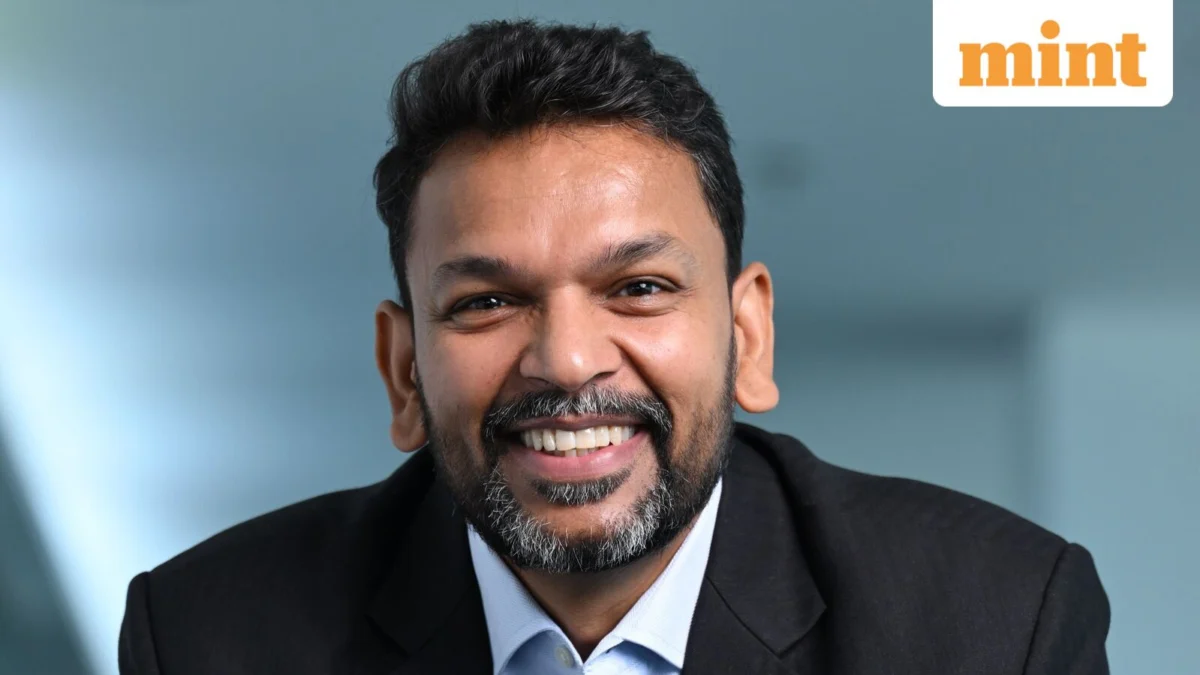
The sprawling Indian media and entertainment sector is undergoing a profound transformation, with JioStar, the newly consolidated entity emerging from the merger of Reliance’s Viacom18 and The Walt Disney Co.’s Star India, charting a strategic course that prioritizes profitability alongside deeply localized content. This pivot reflects a mature understanding of India’s multifaceted consumer base, moving away from a uniform content approach to one that acknowledges the nation as a mosaic of distinct cultural and economic identities. According to Alok Jain, head of Hindi and English entertainment business for streaming, television, and studios at JioStar, the current environment demands a heightened level of discernment in content commissioning, driven by a clear mandate for long-term financial viability.
This strategic re-orientation marks a significant evolution from the industry’s earlier expansionist phase, particularly within the burgeoning Over-The-Top (OTT) streaming market. Five to six years ago, the focus was largely on market penetration and experimentation, with platforms investing heavily to gauge audience preferences and establish a foothold. Today, the landscape is more defined, yet intensely competitive. JioStar’s leadership emphasizes that content decisions across its diverse portfolio—encompassing film production via Star Studio18, linear television channels like Colors and Star Plus, and the streaming platform JioHotstar—are now meticulously evaluated through a profitability lens. This disciplined approach is crucial as viewers increasingly traverse between traditional television and digital platforms, blurring the once distinct boundaries of content consumption.
One of the cornerstones of JioStar’s strategy is its profound commitment to what it terms "many Indias." This philosophy dictates that successful content must resonate beyond the metropolitan hubs, tapping into the nuanced narratives and cultural sensibilities of Tier 2, Tier 3 cities, and rural areas. Shows like Chiraiya, which emerged as the tenth most-watched OTT property in the first half of 2026 according to industry tracker Ormax, exemplify this approach. Its success validates the demand for stories rooted in diverse regional contexts. Building on this momentum, JioStar is aggressively expanding its regional language slate, with projects such as Bhojpuri Bawaal, a reality show targeting the Bhojpuri-speaking belt, signalling a broader embrace of linguistic diversity. This move is particularly astute given that regional language consumption is a major growth driver in India, with local content often outperforming dubbed international titles in smaller markets.
The emphasis on indigenous storytelling extends to the blurring of lines between linear television and digital platforms. Recent fiction series such as Bareilly Ke Bacchan and Mahadev & Sons are deliberately set in small towns, crafting narratives that resonate with a wider demographic. Concurrently, a robust non-fiction lineup is slated for release across both TV and digital, featuring popular franchises like Koffee With Karan, Bigg Boss Hindi, Khatron Ke Khiladi, Roadies, and Splitsvilla, alongside new formats like Hustle, Dhamaal with Pati Patni Aur Panga, India Ke Top 1%, and Laughter Chefs. This dual-platform strategy ensures maximum reach and engagement, leveraging the established viewership of linear television while capitalizing on the flexibility and personalized experience of OTT. Even globally recognized content from Disney, Marvel, and Peacock is strategically localized through extensive dubbing into multiple Indian languages on JioHotstar, underscoring the company’s deep understanding of linguistic preferences.

In the realm of film production, Star Studio18 operates as a distinct vertical, formed through the integration of UTV, Star Studios, and Viacom18 Studios. This studio arm maintains an arm’s length from JioStar’s other businesses, affording it the autonomy to produce films for theatrical release or collaborate with any platform, including direct rivals like Netflix and Prime Video. Beyond distributing major Hollywood titles such as Avengers: Doomsday, Star Studio18 has significant Indian productions in the pipeline, including the highly anticipated third installment of the Drishyam franchise starring Ajay Devgn, and Chiranjeevi Hanuman: The Eternal. This balanced portfolio of global and local cinematic offerings positions JioStar strongly in the competitive film distribution and production landscape.
The strategic maneuvers by JioStar unfold against a backdrop of significant industry challenges. The Indian OTT market, while vast, is grappling with content saturation, where an abundance of offerings makes discovery difficult and often leads to viewer fatigue. Moreover, monetizing this content has proven complex. Active paid subscriptions have largely flattened across the industry, with user growth increasingly shifting towards ad-supported models rather than premium tiers. This reflects the acute price sensitivity of the Indian consumer base, where average revenue per user (ARPU) for streaming services remains considerably lower than in Western markets. The industry has also seen a significant rationalization of content budgets, with major platforms slashing spending by up to 50% since the pandemic’s peak, as heavy investments in original long-form content have not consistently translated into commensurate subscriber growth.
Digital advertising presents another formidable hurdle. While the volume of digital consumption is immense, the cost per mille (CPM), or cost per thousand impressions, for OTT advertising in India remains notably low. This is partly due to advertisers perceiving a relatively fragmented audience base on streaming platforms compared to the consolidated reach of traditional television or the highly targeted capabilities of social media and e-commerce platforms. As a result, a substantial portion of digital ad spending still gravitates towards these alternative online avenues. To counter this, JioStar is actively exploring innovative monetization strategies, including the integration of artificial intelligence for personalized advertising and venturing into content commerce, where entertainment seamlessly blends with transactional opportunities.
Despite these challenges, JioStar possesses inherent advantages stemming from its foundational merger in February 2024, which brought together Reliance’s Viacom18 and The Walt Disney Co.’s Star India. This consolidation created a media behemoth with an unparalleled market position and scale. Industry experts, like Partho Dasgupta, managing partner of Thoth Advisors and former chief executive of BARC India, highlight that "network strength always works." JioStar’s dominant market position, coupled with the vast ecosystem of Reliance Industries, provides a significant competitive edge. The ability to bundle its diverse content offerings with Reliance Jio’s telecom services, including high-profile sports properties like the Indian Premier League (IPL), creates powerful synergies that can drive subscriber acquisition and retention. The reported 14.5% year-on-year increase in net profit to ₹665 crore in the June quarter is an early indicator of the positive financial leverage gained from this strategic consolidation.
Beyond the immediate financial implications, JioStar’s strategy carries broader economic impacts. Its commitment to regional content fuels local creative economies, generating demand for writers, directors, actors, and technical talent outside major film production centers. This decentralization of content creation can spur economic activity in various parts of the country. Furthermore, the push for innovative digital advertising models, potentially driven by AI and content commerce, could redefine the landscape of marketing and brand engagement in India, encouraging advertisers to allocate larger budgets to digital entertainment platforms. As India continues its digital transformation, JioStar’s measured yet ambitious approach, balancing vast scale with granular cultural understanding and a sharp focus on profitability, positions it as a key player in shaping the future of entertainment consumption in one of the world’s most dynamic markets.