

The post-pandemic euphoria that once propelled China’s domestic travel industry to record heights is beginning to evaporate, replaced by a sobering reality of price wars and cautious discretionary spending. For much of the past year, the tourism sector stood as a resilient pillar of the Chinese economy, offering a stark contrast to the embattled real estate market and the broader slowdown in industrial production. However, recent earnings reports from global hospitality giants and high-frequency data from market analysts suggest that the "revenge travel" era has transitioned into a period of extreme price sensitivity, threatening to dim one of the few remaining bright spots in the world’s second-largest economy.
The shift in momentum is perhaps most visible in the performance metrics of major international hotel chains. Hilton, a bellwether for the global hospitality industry, recently adjusted its outlook for the Chinese market, signaling a more challenging environment than previously anticipated. The group’s revenue per available room (RevPAR) in China—a critical industry metric—experienced a notable reversal, swinging from a modest 1.3% growth in the first quarter of the year to a 2.2% decline in the second. Management has revised its annual expectations for RevPAR to a low-single-digit decrease, a downgrade from earlier forecasts of a flat performance. Christopher Nassetta, President and CEO of Hilton, noted during a recent earnings call that while the Chinese economy continues to grow, it is doing so at a pace and consistency that falls short of historical norms, creating a fragmented landscape for travel providers.
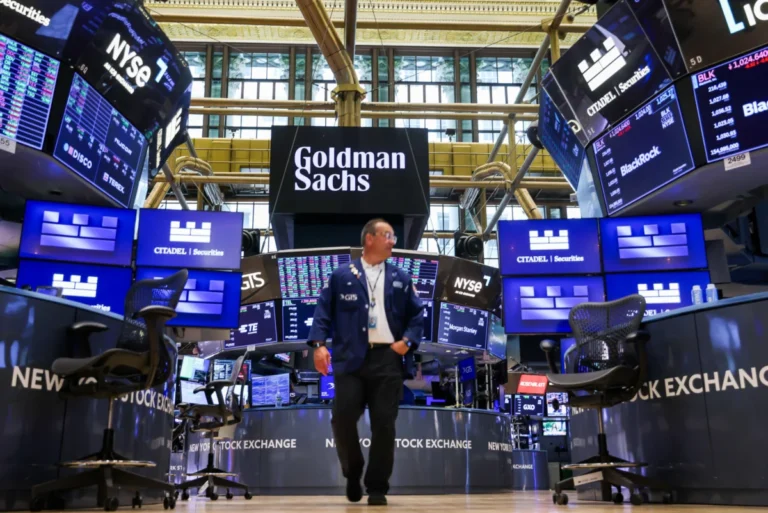
This deceleration is not isolated to a single brand. Data from Smith Travel Research (STR), analyzed by Goldman Sachs, paints a broader picture of industry-wide pressure. Through late July, hotel RevPAR across China tumbled by 6% year-on-year, following a 1% dip in June. The decline is being driven by a dual contraction in both occupancy rates and pricing power. Occupancy levels have fallen by approximately three percentage points, while average daily rates (ADR) have slipped by 1%, suggesting that even as hotels lower their prices to attract guests, they are struggling to fill rooms.
The underlying cause of this downturn appears to be a fundamental shift in consumer behavior. Gary Ng, a senior economist at Natixis, points to a "sharp decline of per-capita spending" on tourism that began to take hold in late 2025. While the volume of travelers remains relatively high, the amount each individual is willing to spend has plummeted. This "low-cost" travel trend is forcing operators into aggressive price competition. For instance, in popular tourist corridors like Yunnan province, a weekend stay at a premium Hilton resort might be priced at $173, but it faces stiff competition from a plethora of local boutique hotels and mid-tier alternatives listed on platforms like Trip.com for as little as $50.
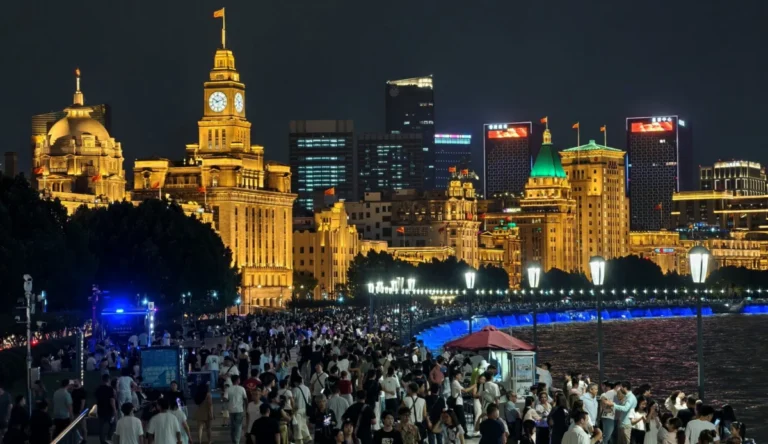
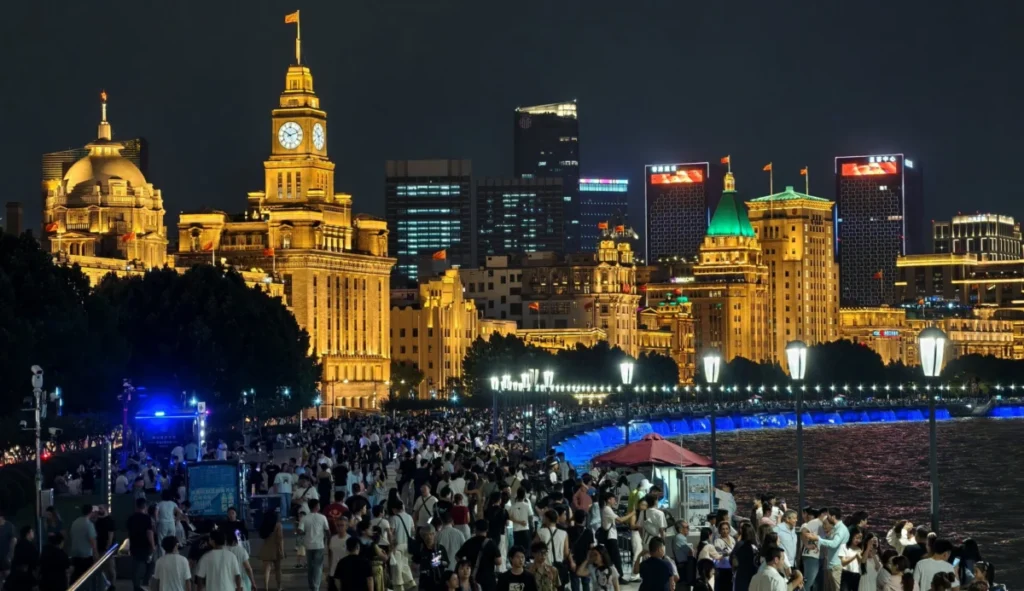
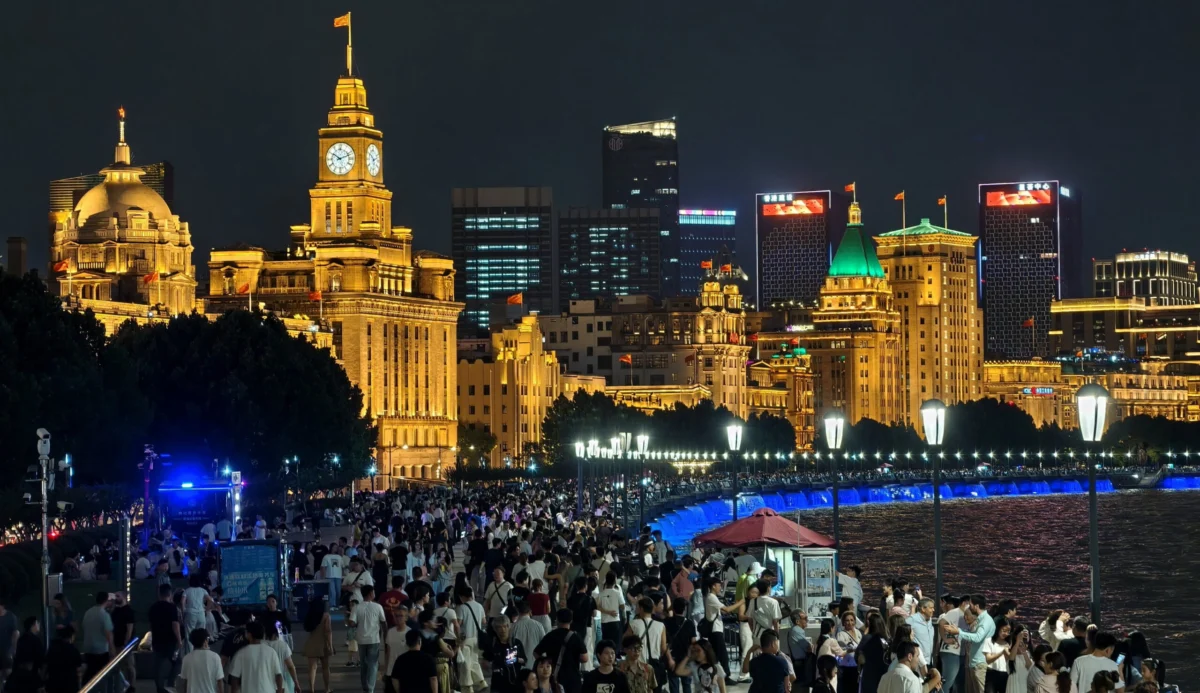
The price wars are most prevalent in regions that were previously considered the darlings of the domestic travel boom. Shanghai, Xinjiang, and Yunnan—three of the most sought-after destinations this summer—have become theaters of intense discounting. Analysis of listing data reveals a staggering range of pricing, where a night’s stay can vary from a mere 40 yuan (approximately $6) to as high as 18,000 yuan ($2,633) for ultra-luxury suites. However, the median price points tell the real story of the mass market: just 192 yuan ($28) in Kashgar, Xinjiang, and 373 yuan ($55) in Dali, Yunnan. While the luxury segment continues to command high premiums, the "typical" traveler is increasingly gravitating toward the most economical options available, leaving mid-market hotels in a precarious "middle-income trap."
This trend mirrors the broader deflationary pressures haunting the Chinese economy. Retail sales have remained sluggish as households, spooked by a multi-year property crisis and uncertain job prospects, prioritize savings over consumption. The National Bureau of Statistics reported a travel sub-index decline of 0.6% in June compared to the previous month, a figure that includes significant drops in both hotel rates and airfares. Chief statistician Dong Liquan has highlighted these price corrections as a primary factor in the subdued Consumer Price Index (CPI), which rose by a lower-than-expected 1% in June. When the cost of travel—a discretionary service—falls, it often serves as a leading indicator that the middle class is tightening its belt.
Despite the prevailing gloom in the mass domestic market, a "K-shaped" recovery is emerging, defined by a stark divergence between the budget and luxury tiers. While mid-market brands struggle, the high-end leisure segment is thriving, bolstered by a resurgence in international arrivals. Hyatt, which focuses heavily on the upscale and luxury segments, reported a much more optimistic set of figures. The group saw an 18% surge in visitors from the United States and a 24% increase from Europe into its Chinese properties over the last quarter. Mark Hoplamazian, Hyatt’s President and CEO, described the luxury leisure market in China as being "on fire," with the brand’s Greater China RevPAR rising by 7.2% year-on-year.
The resilience of the luxury tier is partly a result of targeted government policy. In an effort to stimulate the economy and foster people-to-people exchanges, Beijing has expanded its visa-free entry program to include citizens from an increasing number of countries, particularly in Europe and Southeast Asia. These inbound travelers, often hailing from economies with higher per-capita incomes, are less affected by China’s internal economic headwinds and are more likely to frequent five-star establishments. Currently, overseas visitors account for roughly 12% to 13% of total tourism spending in China, according to Natixis. While this is not enough to offset the broader domestic slowdown, it provides a crucial lifeline for luxury operators and Tier-1 cities like Beijing and Shanghai.
The cooling of the tourism market has significant implications for China’s structural transition toward a consumption-led growth model. For years, policymakers have hoped that services, led by travel and entertainment, would replace heavy industry and real estate as the primary engines of the economy. The current price wars suggest that this transition is hitting a wall of "consumption fatigue." Without a meaningful recovery in the property sector—where the vast majority of Chinese household wealth is tied up—consumers are unlikely to return to the free-spending habits seen in the immediate aftermath of the pandemic.
Furthermore, the domestic tourism industry is grappling with an oversupply of rooms. During the boom years of 2023 and early 2024, many developers and hotel groups accelerated projects that are only now coming online. This influx of new inventory, meeting a more cautious consumer base, is the primary catalyst for the current price erosion. To survive, many operators are pivoting their strategies toward "experiential" travel, offering unique cultural or niche activities—such as coffee-picking tours in Yunnan’s "Coffee Villages"—to justify higher price points and differentiate themselves from the sea of generic budget offerings.
Globally, the slowdown in Chinese domestic tourism spending is being watched closely by luxury brands and international travel hubs. Traditionally, a robust domestic market in China serves as a precursor to strong outbound travel. If Chinese consumers are trading down at home, they are likely to be more budget-conscious when traveling to destinations like Paris, Tokyo, or Bangkok. While the weak yen has made Japan a temporary magnet for Chinese tourists seeking value abroad, the long-term trend suggests a more calculated approach to travel spending globally.
In the final analysis, China’s tourism sector is no longer a monolith of growth but a complex landscape of winners and losers. The "price war" phase is a natural correction after a period of unsustainable exuberance, but it also serves as a warning. As the gap between the luxury and mass markets widens, the industry reflects the broader socioeconomic challenges facing the nation. For the tourism "bright spot" to shine again, the focus may need to shift from sheer volume and capacity to addressing the underlying economic anxieties of the Chinese consumer. Until then, the industry remains a high-stakes battlefield where only the most prestigious or the most efficient are likely to thrive.