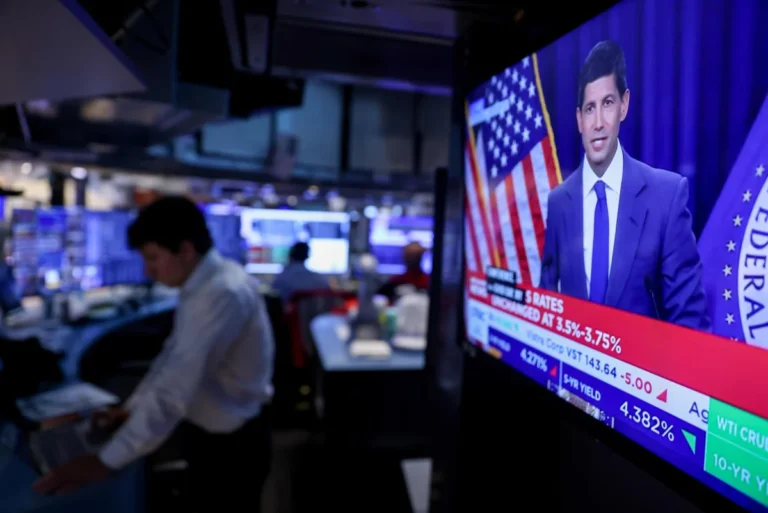
The consensus that once defined the Federal Open Market Committee (FOMC) appears to be fracturing as a significant minority of policymakers warns that the window for a controlled economic landing is rapidly closing. Following the Federal Reserve’s recent decision to maintain the federal funds rate at a range of 3.5% to 3.75%, a rare three-way dissent has highlighted a deepening divide over the trajectory of American monetary policy. While the majority opted for stability after a series of rate cuts in late 2025, a hawkish trio—Cleveland Fed President Beth Hammack, Minneapolis Fed President Neel Kashkari, and Dallas Fed President Lorie Logan—is now publicly advocating for immediate tightening to prevent inflation from becoming a permanent fixture of the domestic landscape.
This internal discord comes at a precarious moment for the U.S. economy. For over five years, the Personal Consumption Expenditures (PCE) price index—the Fed’s preferred inflation gauge—has stubbornly remained above the 2% target. The situation has been exacerbated by a "perfect storm" of supply-side shocks and demand-side resilience. The recent escalation of conflict involving Iran and the introduction of aggressive new trade tariffs have reignited price pressures just as the central bank appeared to be gaining the upper hand. For the dissenters, the decision to hold rates steady is not a prudent pause but a dangerous delay that risks eroding the Fed’s credibility and the public’s purchasing power.
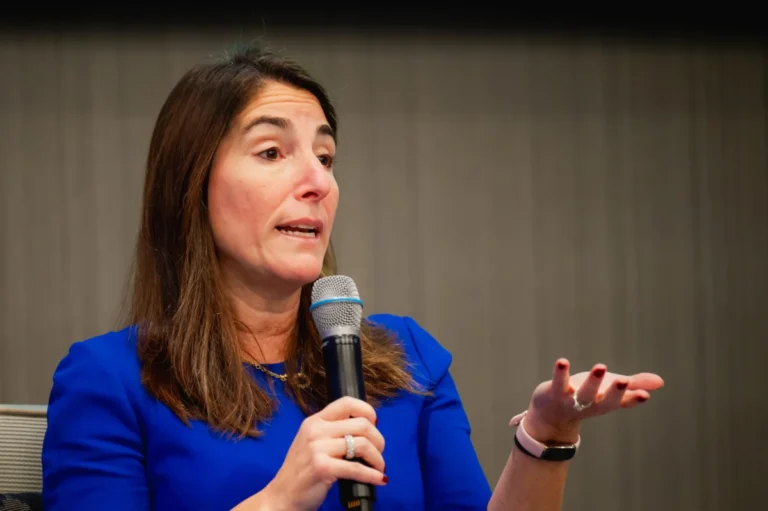
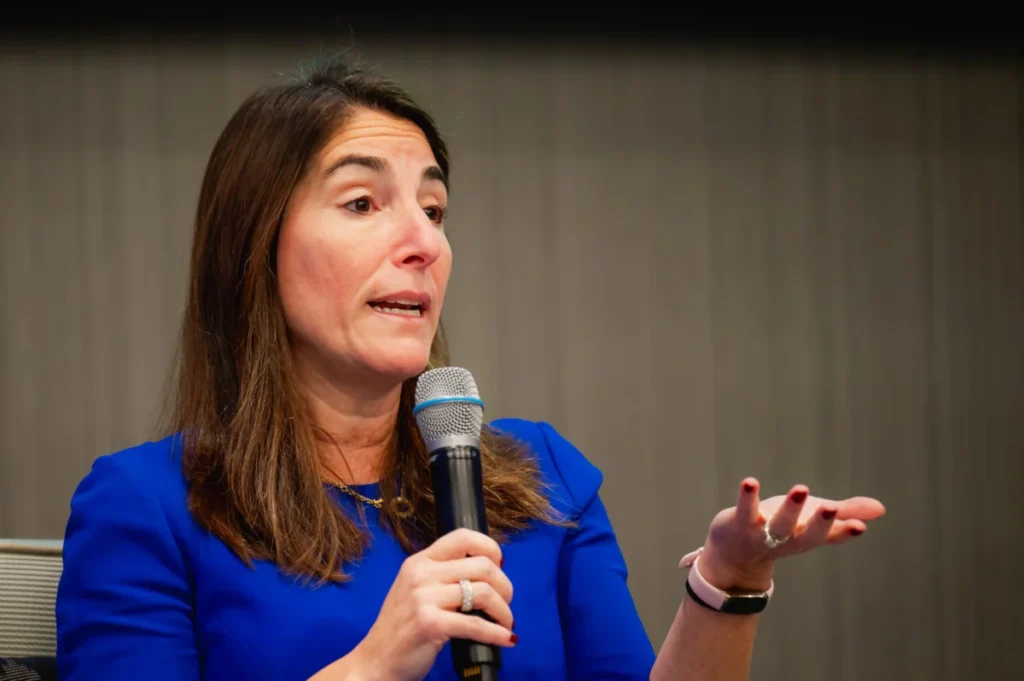
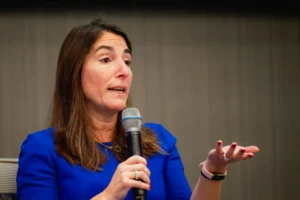
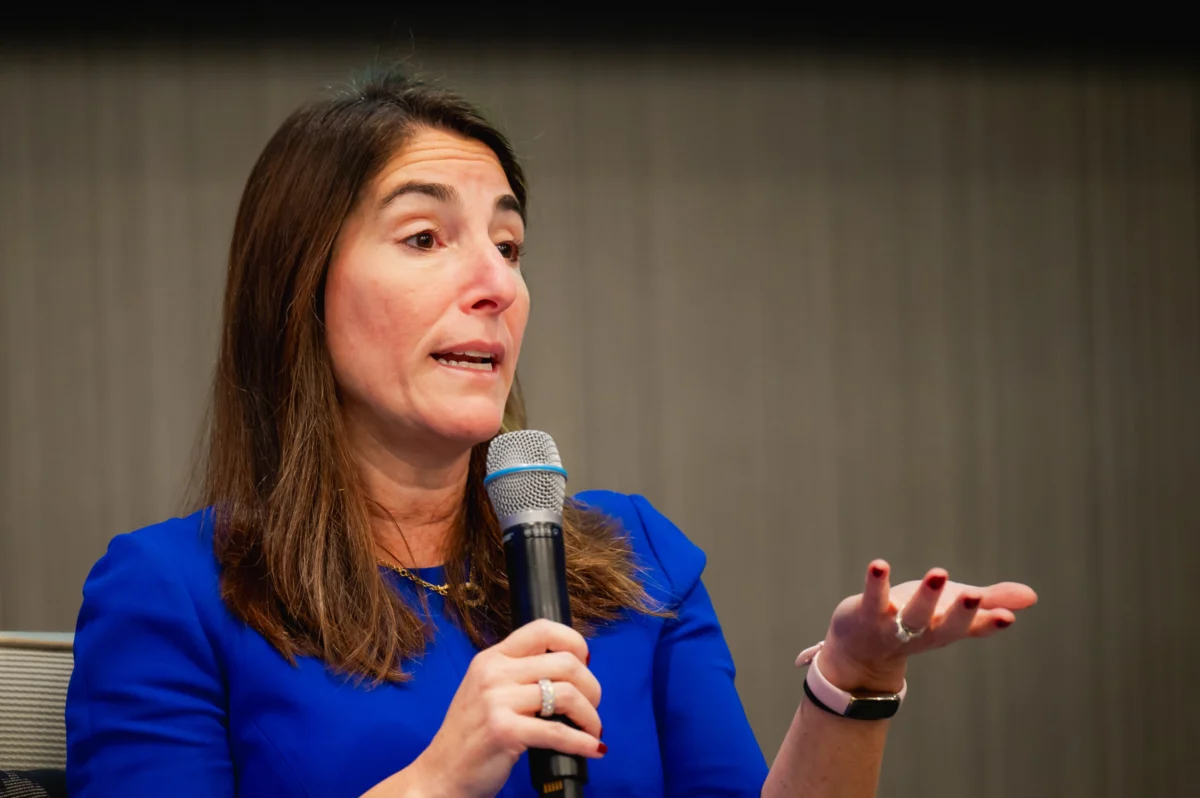
Beth Hammack, in her capacity as President of the Cleveland Fed, has emerged as one of the most vocal proponents of a more aggressive stance. During a recent research summit in Dallas, Hammack emphasized that the "time to act" is not in some distant, data-dependent future, but in the immediate present. Her argument rests on the principle of price stability as a fundamental contract with the American public. Hammack’s observations from the Fourth District suggest that inflation is no longer confined to volatile sectors like energy and food; rather, it is broadening, infecting service industries and consumer psychology. She noted that her constituents are expressing a sense of "despair" as the cost of living continues to climb, creating a feedback loop where expectations of future inflation begin to drive current spending and wage demands.
The fear among the hawks is that the longer inflation persists above the 2% threshold, the more "sticky" it becomes. This structural entrenchment requires much more painful interventions later on—a lesson learned during the stagflationary era of the 1970s. Neel Kashkari of the Minneapolis Fed echoed this sentiment, framing the need for rate hikes as a form of preventative medicine. Kashkari’s shift toward a more hawkish position is notable, given his historical willingness to support accommodative policy. He now argues that a series of incremental, small policy moves today would be far preferable to the "shock and awe" tactics that might be required if inflation expectations become unanchored. By moving now, Kashkari believes the FOMC can provide a soft landing rather than being forced into a recessionary tightening cycle down the road.
Adding to the complexity of the debate is the assessment of whether current interest rates are actually "restrictive." Lorie Logan, President of the Dallas Fed, challenged the prevailing assumption that a 3.5%-3.75% range is enough to cool the economy. In her view, the strength of the labor market, robust consumer spending, and buoyant financial market conditions suggest that monetary policy is currently neutral at best, and perhaps even stimulative. Logan’s dissent is rooted in the belief that without active policy restraint, the economy will continue to run hot until it is hit by an "unanticipated shock." Relying on luck or external factors to dampen demand is, in her estimation, a dereliction of the Fed’s mandate.
The broader economic context provides ample evidence for these concerns. The geopolitical landscape has shifted dramatically, with the Iran conflict causing significant volatility in global energy markets. While a brief respite in Middle East tensions led to a dip in prices earlier this summer, energy costs have since rebounded, acting as a tax on both consumers and producers. Simultaneously, the implementation of tariffs has increased the cost of imported goods and intermediate materials, creating a "cost-push" inflationary environment that is difficult for central banks to manage. Unlike "demand-pull" inflation, which can be dampened by raising interest rates to curb spending, supply-side shocks present a policy dilemma: raising rates can control prices but may also stifle growth in an already stressed supply chain.

Despite these pressures, Fed Chairman Kevin Warsh and the majority of the FOMC have chosen a path of cautious observation. Warsh, who assumed the chairmanship during a period of significant transition, has acknowledged that five years of above-target inflation cannot be rectified in a matter of weeks. His "new chapter" philosophy emphasizes a long-term commitment to the 2% goal but prioritizes stability to avoid over-correcting. The majority view holds that the three rate cuts implemented in the latter half of 2025 need more time to permeate the economy. They argue that jumping back into a tightening cycle so soon after easing could confuse markets and trigger unnecessary volatility in the bond and equity sectors.
However, the "wait and see" approach is increasingly criticized by those who remember the "transitory" narrative of the early 2020s. During that period, Fed officials initially dismissed rising prices as a temporary byproduct of pandemic-related supply chain disruptions, only to be forced into the most aggressive hiking cycle in decades when inflation proved to be more durable than anticipated. Kashkari pointedly referenced this era, noting that while monetary policy is the primary tool for demand-driven inflation, it must also play a role in addressing "successive supply shocks" that threaten to become entrenched. The risk, as the dissenters see it, is that the Fed is once again miscalculating the persistence of the current inflationary wave.
The impact of this policy divide extends far beyond the walls of the Federal Reserve. For global markets, the lack of a unified front at the FOMC introduces a layer of uncertainty. Investors who had been pricing in a period of stable or even declining rates must now contend with the possibility of a "hawkish pivot." This has immediate implications for mortgage rates, corporate borrowing costs, and the valuation of the U.S. dollar. On the international stage, a more aggressive Fed could put pressure on other central banks, particularly in emerging markets, to raise their own rates to prevent capital flight and currency depreciation.
Furthermore, the domestic political environment adds another layer of scrutiny to the Fed’s actions. With tariffs becoming a central pillar of trade policy, the central bank finds itself in the crosshairs of a broader debate over economic sovereignty and the cost of protectionism. While the Fed is theoretically independent, the reality of managing an economy through a trade war and a regional conflict in the Middle East puts its "data-dependent" approach to the ultimate test.
As the FOMC prepares for its upcoming meetings, the statements from Hammack, Kashkari, and Logan serve as a roadmap for the potential shift in policy. If the next several rounds of PCE data show that inflation is indeed broadening or accelerating, the minority view could quickly become the majority. The "despair" of consumers cited by Hammack suggests that the political and social pressure to act may soon outweigh the desire for institutional patience.
Ultimately, the debate within the Federal Reserve reflects a fundamental question about the nature of the post-pandemic, post-war economy: Is the U.S. entering a new era of structurally higher inflation, or are we experiencing a prolonged but ultimately temporary adjustment? The dissenters have made their position clear: the risks of doing too little far outweigh the risks of doing too much. For a central bank whose primary mission is price stability, the decision to remain on the sidelines is becoming increasingly difficult to justify in the face of a persistent and evolving inflationary threat. The coming months will determine whether the "trio of dissent" was ahead of the curve or whether the Chairman’s path of patience was the correct course for a complicated global economy.