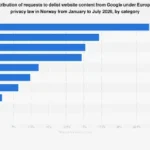
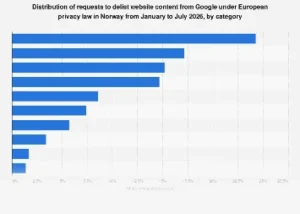


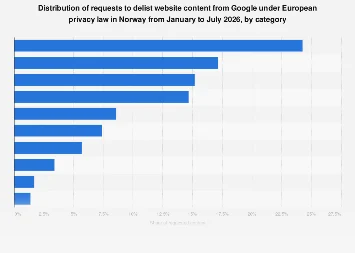
Norway stands at a crucial juncture in its digital evolution, preparing to implement significant changes in how online content is managed and delisted by major technology platforms, notably Google, by the year 2026. This impending shift, driven by evolving global data privacy regulations and a growing emphasis on digital sovereignty, will profoundly impact individuals, businesses, and the very fabric of online information dissemination within the Kingdom. At its core, the initiative addresses the complex interplay between the right to be forgotten, the public’s right to information, and the operational realities of global search engines. The framework, as outlined by leading platforms, categorizes content removal requests into several distinct buckets, each with its own set of criteria and implications.
Understanding these categories is paramount for comprehending the scope and potential ramifications of Norway’s approaching digital policy. At the forefront is the "Crime" category, encompassing content that references an individual in connection with criminal activities. This can range from convictions and witness testimonies to an individual’s status as a victim. The implications here are clear: individuals seeking to distance themselves from past legal entanglements, whether as perpetrators or involved parties, may find recourse through delisting. However, this also raises critical questions about the balance between an individual’s privacy and the public’s interest in accessing information related to criminal justice. The European Union’s General Data Protection Regulation (GDPR), which has influenced many of Norway’s data protection policies, already provides a framework for the "right to erasure," and these new categorizations represent a more granular approach to its application.
Another significant category is "Personal Information." This pertains to content that includes an individual’s private address, residence, contact details, or other non-sensitive personal identifiers, including images and videos. The intent here is to protect individuals from the unwarranted public exposure of their private lives. In an era where personal data is increasingly commodified and susceptible to misuse, this category offers a vital safeguard. The economic impact of such protections can be seen in the enhanced trust consumers place in digital services that demonstrably prioritize privacy, potentially boosting e-commerce and digital service adoption. Globally, countries are grappling with similar challenges, with jurisdictions like California implementing their own data privacy laws, such as the California Consumer Privacy Act (CCPA), reflecting a growing international consensus on the need for stronger personal data protection.
The "Political" category addresses content that criticizes an individual’s political activities or provides information relevant to their public political history, platform, or profile. This is a particularly sensitive area, as it touches upon freedom of speech and the public’s right to scrutinize those in positions of power or seeking it. While individuals may seek to remove potentially damaging or inaccurate political commentary, the threshold for delisting is likely to be high to avoid suppressing legitimate political discourse. The challenge lies in distinguishing between factual reporting, opinion, and malicious defamation. The influence of political discourse online is immense, and any restriction on its accessibility must be carefully calibrated to preserve democratic processes.
"Professional Information" and "Professional Wrongdoing" represent further nuances in the delisting process. The former deals with an individual’s work address, contact details, or general business activities. This category acknowledges the distinct privacy considerations surrounding professional life compared to personal life. "Professional Wrongdoing," on the other hand, is more stringent, referencing criminal or court activities – including crimes, acquittals, or exonerations – specifically in relation to a professional role. This distinction is crucial for maintaining professional reputations while still allowing for transparency regarding serious misconduct. Businesses operating in Norway will need to be acutely aware of how information pertaining to their employees or their own operations might be subject to delisting requests, impacting their online reputation management strategies.
The "Name Not Found" category highlights a technical challenge: situations where a person’s name might appear in the URL of a webpage but not within the page’s actual content. This suggests a focus on ensuring that search results accurately reflect the content of the page itself, preventing indirect association through URL structures. This technical precision underscores the sophisticated nature of the impending regulations.
The "Insufficient Information" category serves as a procedural safeguard, indicating that a delisting request could not be processed due to a lack of necessary details, such as an incomplete URL or an undefined reason for the request. This emphasizes the need for individuals and entities making such requests to be thorough and transparent in their submissions.
Perhaps one of the most straightforward categories is "Self-Authored" content, where the requester is the author of all or part of the page content. This implies that individuals can have their own published content delisted, offering a degree of control over their digital footprint.
Finally, "Sensitive Personal Information" covers content that mentions an individual’s medical status, sexual orientation, creed, ethnicity, or political affiliation. This category aligns with heightened privacy protections for inherently vulnerable personal data, reflecting international trends in data protection that recognize the particularly sensitive nature of this information. The economic implications here are significant, as organizations handling such data will face increased scrutiny and must implement robust security and privacy protocols, potentially driving investment in privacy-enhancing technologies.
The Norwegian implementation by 2026 is not an isolated event but part of a broader global movement towards greater digital autonomy and data protection. As search engines and online platforms navigate these evolving legal landscapes, the Norwegian approach will likely be observed closely by other nations seeking to balance the benefits of open information access with the fundamental rights of individuals in the digital age. The economic consequences extend beyond compliance costs; they encompass opportunities for innovation in privacy technology, the development of new reputational management services, and the fostering of greater consumer trust in the digital economy. The intricate dance between technological capability, legal frameworks, and societal expectations will define Norway’s digital future and set a precedent for how other nations manage the increasingly complex world of online content. The precise enforcement mechanisms and the potential for appeals will be critical in shaping the long-term impact of these delisting categories, ensuring that the pursuit of privacy does not inadvertently stifle legitimate access to information or hinder public discourse.