India’s sprawling consumer market is witnessing a profound reorientation, as functional nutrition moves beyond established categories like protein to embrace the intricate world of gut health. This burgeoning segment, encompassing everything from artisanal kombuchas to advanced probiotic supplements, is rapidly becoming the next significant battleground for packaged food, beverage, and nutraceutical manufacturers, signaling a maturing of consumer preferences and a significant economic opportunity. The shift reflects a growing awareness of the gut microbiome’s pivotal role in overall wellness, driving brands to innovate and expand their offerings in response to a more health-conscious populace.
For years, the functional food landscape in India primarily revolved around basic fortification – fibre-enriched breads, vitamin-laden cereals, and the ubiquitous protein supplements. However, the current evolution signifies a deeper dive into biological mechanisms, with brands now strategically expanding into sophisticated gut health-focused solutions. This includes fermented delights such as kefir milk, kefir water, and a diverse array of probiotic drinks, alongside more targeted dietary supplements. This strategic pivot is not merely a fleeting trend but a calculated move by businesses to tap into a premium growth opportunity within the dynamic consumer goods sector, which is increasingly influenced by global wellness narratives and scientific advancements.
Despite the nascent stage of specialized product adoption, the underlying potential is immense. Research from Mintel, a leading market intelligence agency, highlights a critical paradox: a striking 88% of Indian consumers acknowledge the importance of gut health. Yet, a majority still defaults to conventional, often rudimentary, practices for digestive well-being. These include increased water intake, regular exercise, and the avoidance of common irritants like spicy or sugary foods, rather than proactively incorporating probiotics, specific fibres, or fermented foods into their diets. This pronounced disparity between declared intent and specialized action underscores a significant market void. As Tulsi Joshi, Principal Food and Drink Market Research Analyst at Mintel, observes, "This gap between intent and specialised action shows that consumers are still focused on managing everyday digestive discomfort rather than building long-term gut resilience. There’s clear room for brands to simplify and mainstream more advanced gut-health solutions." The challenge and opportunity lie in translating abstract scientific benefits into tangible, accessible, and desirable consumer products.
The current surge in product innovation is not an overnight phenomenon but the culmination of years of evolving consumer needs and market education. Santosh Sreedhar, a partner at Avalon Consulting, points out that the need for digestive wellness is deeply ingrained in Indian culture, traditionally addressed through ancient remedies and readily available over-the-counter Ayurvedic preparations. "What we’re seeing today is a mainstreaming of that need through products in popular, easy-to-consume formats," Sreedhar explains, attributing this acceleration to heightened public awareness amplified by digital media and social platforms. The digital revolution has played a crucial role, allowing health influencers, nutritionists, and even medical professionals to disseminate information about gut health, thereby democratizing knowledge that was once confined to specialized medical journals.
A significant catalyst for this burgeoning gut health movement is India’s ongoing protein boom. As more individuals, particularly the urban and semi-urban demographic, embrace higher protein consumption, the interconnectedness of protein digestion, fibre intake, and overall digestive wellness becomes increasingly apparent. Bala Sarda, founder and CEO of wellness brand VAHDAM India, articulates this synergy: "A lot more people are consuming protein today, and protein needs better-quality fibre to work well with your gut." He further notes that contemporary lifestyle factors, such as increased consumption of processed foods and the prevalence of calorie-deficit diets, converge to heighten awareness around digestive issues. These macro trends are collectively pushing gut health and fibre into the mainstream, with Sarda predicting an "inflection point" in the next two to three years where these categories will achieve widespread adoption.

Brands are quickly adapting to this evolving understanding. VAHDAM, traditionally known for its premium teas and herbal infusions, has strategically diversified into digestive wellness. Its product portfolio now includes offerings like Morning Clear, a herbal infusion featuring senna; Gut Shift, a psyllium husk blend enhanced with probiotics; and standalone Triphala supplements, a nod to traditional Ayurvedic wisdom. This expansion exemplifies how established players are leveraging their brand equity to venture into new, adjacent health segments. Mintel’s research further corroborates this trend, indicating that 27% of protein supplement users express interest in products that specifically improve gut health, illustrating a clear cross-pollination of consumer needs. Joshi emphasizes that "The expanding protein market, alongside a heightened understanding of gut health, is poised to drive substantial demand for solutions that optimise protein digestion, alleviate digestive discomfort and foster overall wellbeing."
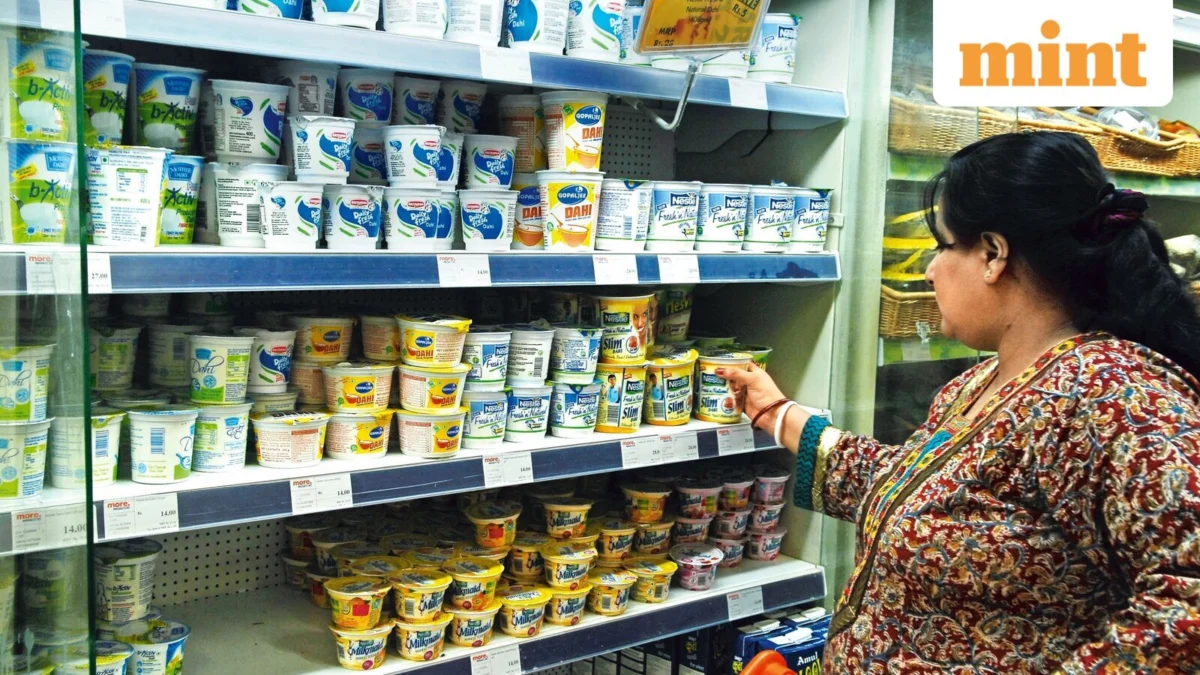
The opportunity spans a multitude of product categories, with beverages and dairy poised to emerge as the largest segments for gut-health foods, according to Sreedhar. Simultaneously, over-the-counter nutrition products are also expected to gain significant traction, bolstered by recommendations from medical practitioners and influential health advocates. This multi-pronged approach ensures market penetration across diverse consumption habits and price points. Even sports nutrition companies, traditionally focused on performance and hydration, are recognizing the shift. Fast&Up, which built its business on athletic supplements, has recently entered the digestive health space with products such as Daily Fibre and Reload Probiotics. Vijayaraghavan Venugopal, CEO of Fast&Up, observes a natural progression in consumer health priorities: "If you look at the health segment today, we’ve moved from performance and hydration to protein, then weight management, beauty nutrition and now digestive health." He highlights a more scientific approach among consumers who are now meticulously tracking fibre intake alongside protein, demonstrating a sophisticated understanding of nutritional balance. The growing public discourse around GLP-1 weight-loss drugs has also inadvertently spurred interest in fibre, which consumers increasingly associate with appetite management, digestive health, and cholesterol reduction.
The burgeoning market has also paved the way for specialized startups. Chennai-based Happie Gut exemplifies this entrepreneurial spirit, focusing exclusively on kefir – a fermented probiotic dairy drink popular in Europe but still relatively niche in India. Founder Monica Radhakrishnan embarked on this venture after personally experiencing the benefits of kefir abroad and struggling to find it commercially available back home. She credits the post-COVID-19 era with accelerating health consciousness, leading to a greater understanding of the link between probiotics, immunity, and overall health. Despite steady month-on-month growth, Radhakrishnan acknowledges a primary hurdle: "The biggest challenge is awareness. Nearly 90% of consumers still don’t know what kefir is, even though many now understand probiotics." Happie Gut’s expansion into kefir milk, kefir water, and probiotic milkshakes underscores the broader market trend of integrating digestive wellness into everyday food and beverage choices, moving beyond the confines of traditional supplements.
Statistical evidence reinforces this trend of integration. Mintel’s Global New Products Database indicates a significant uptick in probiotic claims within product launches. Between 2020-21 and 2024-25, probiotic claims in vitamin, mineral, and supplement (VMS) launches surged from 1% to 6%, while similar claims in nutritional drinks and supplements increased from 3% to 9%. This data reflects a clear strategic shift by manufacturers to highlight and capitalize on the probiotic content of their products, acknowledging consumer demand.
The broader consumer industry is indeed undergoing a complex transformation, with multiple nutrition platforms gaining prominence – from protein and fibre to low sugar, diabetes management, and healthy snacking. While gut health will undoubtedly secure its place alongside these, Sreedhar projects that it may not become the single dominant positioning for the entire industry in the immediate future. He anticipates gut health products to constitute around 1-2% of key food categories over the next three to five years. However, he emphatically states that this trend is far from a passing fad. Instead, it represents a structural shift in how Indian consumers perceive and pursue well-being, demanding more sophisticated and science-backed solutions. The trajectory of this market will depend on continued consumer education, product innovation that simplifies complex science, and the ability of brands to build trust in the efficacy of their offerings, promising a dynamic and transformative era for India’s consumer landscape.