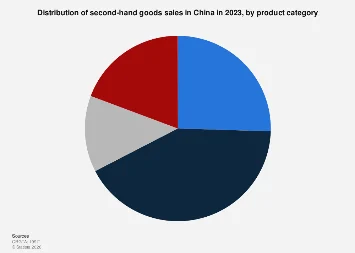
The landscape of consumer spending in China is undergoing a significant transformation, with the second-hand market emerging as a powerful engine of economic activity and a reflection of evolving consumer values. While precise, up-to-the-minute granular data often requires specialized access, available indicators for 2023 paint a compelling picture of robust growth and shifting preferences within this dynamic sector. This burgeoning market, often referred to as "re-commerce," encompasses a wide array of product categories, each contributing to its overall expansion and economic impact.
At the forefront of this trend, second-hand consumer electronics consistently command a substantial share. Driven by rapid technological obsolescence, a desire for affordable access to premium devices, and growing environmental consciousness, consumers are increasingly turning to pre-owned smartphones, laptops, gaming consoles, and other gadgets. This segment benefits from established resale platforms and a robust ecosystem of repair and refurbishment services. The affordability factor is particularly appealing to younger demographics and those in lower-income brackets, making cutting-edge technology more accessible. Furthermore, the environmental benefits of extending the lifecycle of electronic goods are gaining traction, aligning with China’s broader sustainability goals. Market analysis suggests that the sheer volume of electronic devices purchased annually creates a continuous supply of potentially viable second-hand products, fueling this category’s dominance.
Closely following, the second-hand luxury goods market in China has witnessed an unprecedented surge. This phenomenon is fueled by a confluence of factors, including the aspirational nature of Chinese consumers, a desire for unique and vintage pieces, and the prohibitive cost of new luxury items. High-end fashion, designer handbags, watches, and jewelry are finding new life through curated online marketplaces and specialized physical boutiques. This trend is not merely about cost savings; it represents a sophisticated form of consumption, where authenticity, provenance, and the narrative behind a pre-owned item add significant value. As the global luxury market matures, China’s re-commerce sector is becoming a vital channel for both acquiring and divesting high-value assets, contributing to a more circular economy for premium goods. The increasing availability of authenticated second-hand luxury items online has demystified the process and broadened its appeal beyond a niche clientele.
Beyond electronics and luxury, other consumer categories are also experiencing significant traction in the second-hand market. Second-hand apparel, while perhaps less glamorous than luxury fashion, represents a massive and growing segment. Driven by fast fashion’s environmental impact and a growing embrace of sustainable consumption, consumers are exploring pre-owned clothing as an alternative. This includes everything from vintage finds to gently used contemporary brands. Online platforms dedicated to clothing resale have democratized access, allowing individuals to easily buy and sell garments. The appeal lies in both the economic savings and the opportunity to discover unique styles that are no longer available in mainstream retail. The sheer volume of clothing produced and discarded globally makes this a category with immense potential for circularity.
Home goods and furniture represent another area of burgeoning interest. As urban populations shift and living spaces evolve, many individuals seek more affordable and sustainable options for furnishing their homes. Second-hand furniture, décor items, and even appliances are gaining popularity, particularly among younger generations setting up their first homes or those looking to refresh their living spaces without significant expenditure. This trend also aligns with a growing awareness of the environmental footprint associated with the production and disposal of furniture. The ability to find unique, characterful pieces also appeals to consumers seeking to personalize their living environments.
The market for second-hand books, music, and entertainment media also plays a role, albeit on a smaller scale compared to electronics or luxury. This segment caters to collectors, enthusiasts, and those seeking nostalgic or hard-to-find items. While digital media has altered consumption patterns, the tangible appeal of physical books and records continues to sustain this niche within the broader second-hand market.
The economic implications of China’s expanding second-hand market are multifaceted. Firstly, it represents a significant source of economic activity, creating jobs in logistics, authentication, repair, refurbishment, and online platform management. These are often referred to as "green jobs" contributing to a more sustainable economy. Secondly, it enhances consumer purchasing power by offering more affordable access to goods across various categories. This can stimulate demand and contribute to overall economic growth, especially during periods of economic uncertainty or slower wage growth.
Furthermore, the growth of the re-commerce sector reflects a broader shift in consumer behavior towards sustainability and conscious consumption. As environmental concerns gain prominence globally, Chinese consumers are increasingly factoring the ecological impact of their purchases into their decision-making processes. This is particularly evident in categories with high material consumption or rapid product cycles, such as electronics and fast fashion. The second-hand market provides a tangible solution for consumers to reduce their environmental footprint without compromising on their desire for new products or experiences.
From a global perspective, China’s re-commerce market is a significant force. Its sheer scale, driven by a massive population and a rapidly growing middle class, positions it as a key player in the global circular economy. As more consumers worldwide embrace second-hand purchasing, China’s innovations and market dynamics will likely influence trends and best practices internationally. The development of sophisticated online platforms, efficient logistics networks, and robust authentication processes in China could serve as a model for other emerging markets looking to tap into the potential of re-commerce.
However, challenges remain. Ensuring the authenticity and quality of second-hand goods is paramount to building consumer trust. The development of standardized inspection and certification processes is crucial, especially for high-value items like luxury goods and electronics. Furthermore, regulatory frameworks are evolving to address issues such as intellectual property rights, consumer protection, and environmental standards within the second-hand market. As this sector matures, clear and supportive regulations will be essential for sustained growth and consumer confidence. The continued integration of technology, such as AI-powered authentication and personalized recommendations, will also play a vital role in shaping the future of China’s second-hand market, making it more efficient, accessible, and appealing to an ever-wider range of consumers.