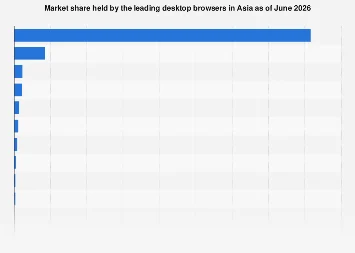
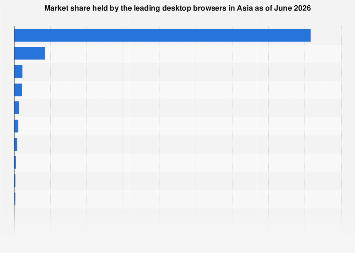
The digital ecosystem in Asia, a continent characterized by its rapid technological adoption and diverse internet user base, continues to see Google Chrome solidify its position as the preeminent desktop browser. As of June 2026, proprietary data indicates that Chrome commands a substantial majority of the market share, underscoring its enduring appeal and widespread integration across personal and professional computing environments throughout the region. This sustained dominance is a testament to a confluence of factors, including its robust performance, extensive extension library, and seamless synchronization capabilities across devices.
While Chrome’s lead is significant, Microsoft Edge has emerged as a strong contender, securing the second-highest market share. This upward trajectory for Edge can be largely attributed to Microsoft’s strategic integration of the browser into its Windows operating system, a platform that enjoys widespread adoption across Asian markets. Enhanced performance features, improved privacy controls, and a growing ecosystem of compatible web applications have further bolstered Edge’s appeal to a significant segment of Asian users. The browser’s commitment to web standards and its continuous feature updates have made it a compelling alternative for those seeking a secure and efficient browsing experience.
Mozilla Firefox, a long-standing champion of open-source technology and user privacy, continues to hold a respectable third position in the Asian desktop browser market. Despite facing intense competition from the tech giants, Firefox has cultivated a loyal user base drawn to its commitment to customization, advanced privacy features, and a strong emphasis on user control. Its ongoing development of innovative technologies and its proactive stance on data protection resonate with a growing number of consumers who are increasingly concerned about their online footprint. The browser’s consistent efforts to provide a secure and private alternative continue to carve out a significant niche in the competitive landscape.
The remaining market share is fragmented among a variety of other browsers, each catering to specific user preferences and regional nuances. These include Apple’s Safari, which, while primarily dominant on Apple devices, still maintains a presence on desktops, particularly among users within the Apple ecosystem. Opera, known for its unique features such as a built-in VPN and data-saving capabilities, also garners a dedicated following, especially in markets where bandwidth can be a consideration. Other niche browsers, often favored for their specialized functionalities or security features, collectively represent a smaller but notable portion of the overall market. The competitive dynamic among these secondary players highlights the diverse demands and evolving preferences of Asian internet users.
Examining the broader context, the desktop browser market in Asia reflects global trends, albeit with regional variations. Globally, Chrome consistently leads in market share across most regions, a dominance that is mirrored in Asia. However, the pace of adoption and the relative strength of competitors can differ significantly. For instance, in regions with a higher penetration of Windows devices, browsers like Edge tend to exhibit stronger growth. Conversely, in markets where Apple’s ecosystem is more entrenched, Safari’s presence is more pronounced. The Asian market, with its vast and varied digital landscape, presents a complex interplay of these global and local influences.
The economic implications of browser market share are far-reaching. For technology companies, browser dominance translates into significant advantages in data collection, advertising revenue, and the promotion of their own services and platforms. Google, for example, leverages Chrome’s widespread usage to drive traffic to its search engine, advertising network, and other digital products. Microsoft, through Edge, aims to enhance the user experience within its Windows ecosystem and promote its own cloud services and enterprise solutions.
Furthermore, the browser market is a crucial battleground for innovation in web technologies and standards. Browser developers continually invest in improving rendering engines, enhancing security protocols, and introducing new features that shape how users interact with the internet. This competition spurs advancements that ultimately benefit the entire digital economy, from developers building web applications to businesses operating online. The ongoing evolution of browser capabilities directly impacts the performance, accessibility, and security of online services, influencing consumer behavior and market dynamics.
The data collection methodology underpinning these market share figures is critical for understanding their reliability. Reputable sources typically aggregate data from a vast network of websites, analyzing billions of page views monthly. This approach, which accounts for a statistically significant sample of internet usage, provides a robust snapshot of user preferences. Transparency regarding the survey period and any potential limitations, such as rounding in figures, is essential for accurate interpretation. The methodology employed by data providers like StatCounter, which forms the basis for many market share analyses, relies on analyzing user-agent strings submitted by browsers during web page requests, offering a broad, if not entirely perfect, representation of user activity.
Looking ahead, several trends are likely to shape the future of the desktop browser market in Asia. The increasing importance of privacy-focused browsers, driven by growing user awareness and regulatory changes, could lead to shifts in market share. Advancements in artificial intelligence and machine learning are also poised to influence browser functionality, with potential for more personalized browsing experiences and intelligent content filtering. The ongoing development of progressive web apps (PWAs) and the continued integration of web technologies into operating systems may also blur the lines between traditional desktop applications and web-based services, further impacting browser usage patterns. The economic landscape for browser providers will continue to evolve, driven by these technological advancements and shifting consumer priorities. The battle for user attention and loyalty in the Asian digital space remains dynamic, with each browser striving to offer a superior, secure, and personalized online experience.