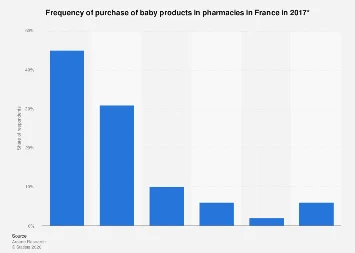
The French pharmaceutical sector serves as a surprisingly consistent and significant channel for the regular acquisition of baby care products, extending beyond immediate medical needs to encompass essential daily items. While pharmacies are primarily recognized for dispensing prescription and over-the-counter medications, their role in the broader consumer market, particularly for parents, is demonstrably robust. Data from 2017 offers a snapshot into the purchasing habits of French consumers, revealing that pharmacies are not merely episodic destinations for baby-related necessities but are integrated into the routine shopping patterns of families with young children. This recurring patronage underscores a deeper consumer trust and convenience factor that positions pharmacies as a key player in the baby product landscape.
Understanding the frequency of baby product purchases within French pharmacies requires examining the product categories involved and the underlying consumer motivations. Beyond essential items like diapers and formula, which necessitate frequent replenishment, parents are increasingly turning to pharmacies for a wider array of baby care essentials. These can include hygiene products such as gentle soaps, shampoos, and lotions, as well as skincare treatments for common infant ailments like nappy rash. Furthermore, pharmacies often stock items like pacifiers, bottles, and even certain types of baby food, consolidating a significant portion of a parent’s shopping list into a single, trusted location. This consolidation is driven by a perceived guarantee of quality and safety, a crucial consideration for parents making decisions about their infants. The familiarity and accessibility of the pharmacy, often located within local communities, further contribute to its recurring appeal.
The purchase frequency in 2017 suggests a sustained demand for these products, indicating that French pharmacies are not experiencing sporadic surges in baby product sales but rather a steady, predictable flow. This contrasts with more specialized baby product retailers or large hypermarkets, where purchases might be more opportunistic or part of a larger, less frequent shopping expedition. The pharmacy environment, with its trained staff and emphasis on health and well-being, cultivates a sense of assurance for parents. This is particularly relevant for sensitive categories like baby skincare and nutrition, where efficacy and absence of harmful ingredients are paramount. Consequently, parents may develop a habit of checking their local pharmacy for these items during their regular health-related visits or simply as a convenient stop during their daily routines.
The economic implications of this consistent purchasing behavior for French pharmacies are substantial. While the profit margins on individual baby products might differ from those of pharmaceuticals, the sheer volume and regularity of sales contribute significantly to overall revenue streams. This recurring traffic also has a positive spillover effect, potentially leading to impulse purchases of other pharmacy items or encouraging customers to engage with the pharmacy for broader healthcare needs. For manufacturers and distributors of baby products, the pharmacy channel represents a stable and reliable distribution network, allowing for predictable sales forecasts and efficient inventory management. The trust associated with the pharmacy brand can also confer a halo effect on the baby products sold within, enhancing their perceived value and desirability.
Globally, the role of pharmacies in the baby product market varies significantly. In some European countries, like France, pharmacies have a well-established tradition of offering a broader range of consumer goods, including health and beauty items, which naturally extends to baby care. In contrast, markets like the United States might see a stronger dominance of large retail chains, supermarkets, and dedicated baby product stores for non-prescription items. However, there is a growing trend across many developed economies for pharmacies to expand their non-pharmaceutical offerings to diversify revenue and cater to evolving consumer demands for convenience and integrated health solutions. The French model, therefore, offers valuable insights into a successful strategy for leveraging consumer trust and accessibility to build a strong presence in the recurring baby product market.
To fully grasp the significance of this trend, it is important to consider the demographic context. France, like many developed nations, has a consistent birth rate and a population segment dedicated to raising young children. The average number of children per family, while varying, still represents a substantial consumer base requiring a continuous supply of baby products. Furthermore, the economic stability of the country ensures that a significant portion of the population has the disposable income to invest in quality baby care items. The 2017 data, therefore, reflects a stable market dynamic where consumer needs are met by a trusted and accessible retail channel.
Analyzing the purchasing journey of a French parent reveals why pharmacies are so effective. A new parent, for instance, will likely receive advice from healthcare professionals, including pediatricians and pharmacists, regarding the best products for their infant. This professional endorsement, coupled with the convenience of purchasing these recommended items at the same location where they receive medical advice, creates a powerful incentive to patronize pharmacies. Moreover, as babies grow, their needs evolve, requiring a constant rotation of diaper sizes, specialized formulas, and age-appropriate feeding accessories, all of which are often available at local pharmacies. This creates a cycle of repeat business that is fundamental to the pharmacy’s success in this segment.
The digital landscape also plays a role, even for traditionally brick-and-mortar channels. While specific data for 2017 may not highlight extensive e-commerce for baby products within French pharmacies, the groundwork for omnichannel strategies was being laid. Many pharmacies were beginning to develop online presences, offering click-and-collect services or local delivery options for their product ranges. This integration of online convenience with the tangible trust of a physical pharmacy further strengthens its appeal to busy parents. The ability to browse, order, and collect baby essentials without disrupting nap times or facing long queues in large stores is a significant draw.
Looking beyond 2017, the trajectory of this market segment is likely to have continued. Evolving consumer preferences for organic and eco-friendly products have also seen pharmacies adapt their stock to include more sustainable options, further aligning with the values of modern parents. The ongoing emphasis on health and wellness, amplified by global events, has also reinforced the public’s reliance on pharmacies as trusted sources for essential goods. The consistent purchase frequency of baby products within French pharmacies is thus a testament to a deeply ingrained consumer habit, built on a foundation of trust, convenience, and a comprehensive offering that extends well beyond immediate medical necessities. It highlights the pharmacy’s enduring relevance as a cornerstone of community healthcare and a vital retail partner for families navigating the crucial early years of childhood.