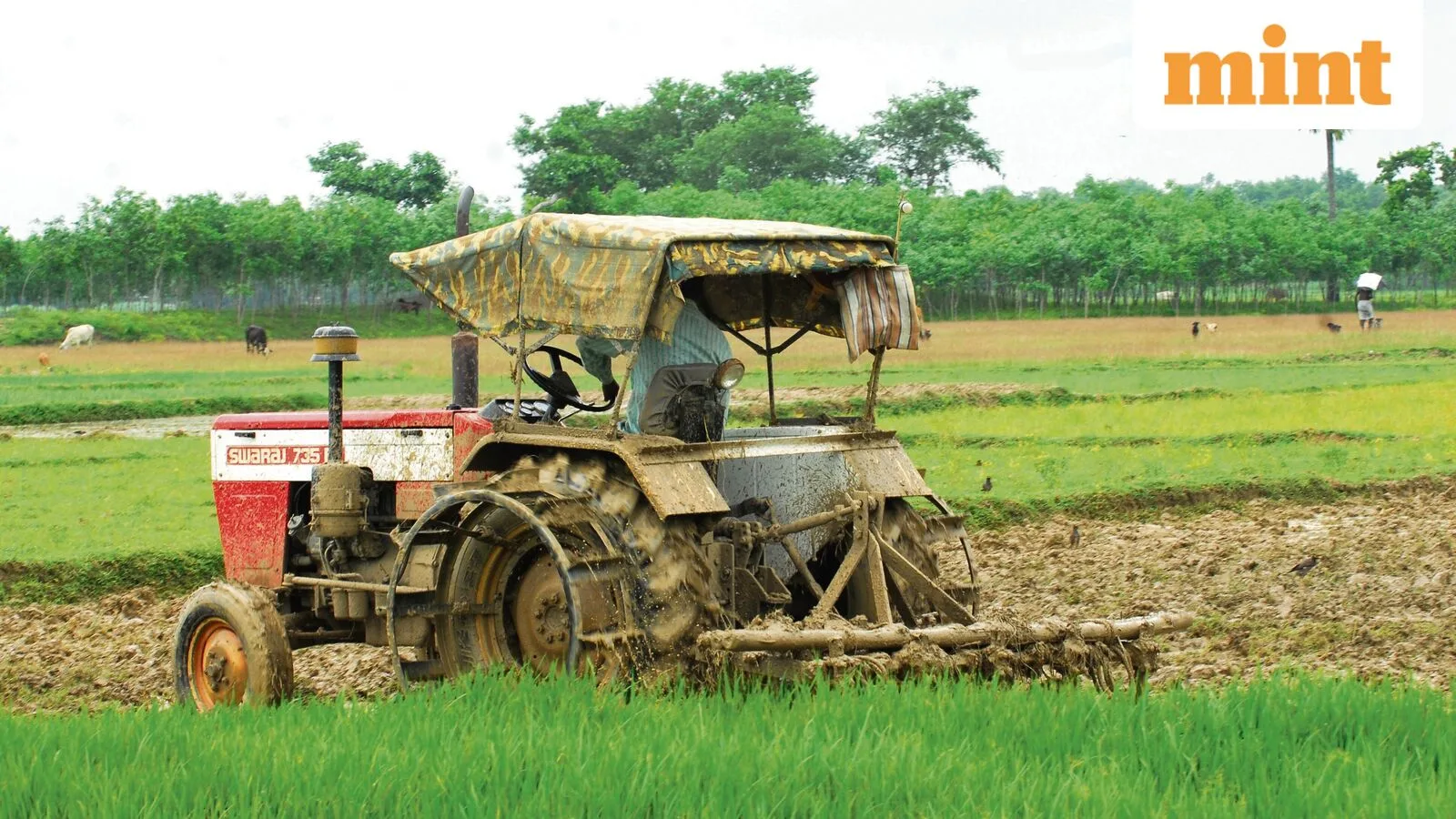
The recent uptick in domestic fuel prices, particularly diesel, is poised to inflict a significant cost burden on India’s agricultural sector, threatening to elevate cultivation and transportation expenses just as preparations for the crucial kharif sowing season intensify. This development, driven by a surge in global crude oil prices, carries substantial implications for food inflation, rural incomes, and the broader economic stability of a nation where agriculture remains a foundational pillar. Farmers, economists, and agricultural experts across the country are voicing concerns that the timing of this price hike could not be worse, potentially diluting the benefits of recent policy support and exacerbating inflationary pressures.
India’s oil marketing companies recently implemented a hike of approximately ₹3 per litre for both petrol and diesel, a direct consequence of escalating international crude oil benchmarks straining their operational margins. Following this adjustment, diesel prices in major metropolitan areas like New Delhi reached ₹90.67 a litre, with Kolkata and Chennai seeing rates climb to ₹95.13 and ₹95.25, respectively. This increment is particularly impactful for agriculture, a sector that consumes a substantial portion of the nation’s diesel supply—nearly two-fifths of India’s annual diesel consumption, which hovers around 92 million tonnes. Diesel is the lifeblood of rural mechanization, powering a vast array of equipment including tractors for tilling, harvesters for reaping, irrigation pumps for water management, and the extensive network of transport vehicles that move inputs to farms and produce to markets.
The confluence of rising fuel costs and the impending kharif season underscores the gravity of the situation. The kharif cycle, typically commencing with the onset of the southwest monsoon in June, is vital for India’s food security, accounting for approximately 47.4% of the nation’s total foodgrain production, projected at 357.7 million tonnes for the 2024-25 agricultural year. Farmers across states are currently engaged in preparatory activities, including field preparation, procurement of seeds and fertilizers, and readying machinery for planting staples like paddy, oilseeds, soybeans, cotton, maize, and various pulses. Any disruption or cost escalation during this phase can have cascading effects on output and profitability.
For the farming community, the increase in diesel prices represents a direct assault on their operational viability. Puneet Singh, a farmer from Ambala district in Haryana, articulated the sentiment: "This is a significant setback. Diesel is an indispensable input for almost every farm activity today. Any increase directly translates into higher operational costs, squeezing our already thin margins." Diesel typically constitutes a substantial portion, often 20-25%, of the total cultivation cost, encompassing everything from initial land preparation and irrigation to harvesting and the crucial first-mile transportation of produce from fields to storage or local markets. This burden is disproportionately felt by India’s vast cohort of small and marginal farmers, who comprise an estimated 85% of the country’s farming population and possess limited financial buffers to absorb such shocks. Ranbir Singh, a sugarcane farmer and president of the Saharanpur-based Kisan Nyay Morcha, highlighted this vulnerability, noting, "The rising input costs threaten to erode the benefits derived from higher minimum support prices (MSPs) for major crops. We are already grappling with numerous challenges, and this fuel hike comes precisely when our diesel requirement is at its peak."
Beyond the direct costs of operating farm machinery, the ripple effect of elevated diesel prices extends throughout the agricultural supply chain. The logistics of transporting essential farm inputs—seeds, fertilizers, pesticides—from manufacturing units to distribution hubs and eventually to rural markets will become more expensive. Similarly, the cost of moving harvested crops from mandis (wholesale markets) to processing units, cold storage facilities, and ultimately to urban retail centers will climb. This complex web of interconnected costs ensures that higher fuel prices are not merely a farmer’s burden but a systemic inflationary pressure.

Economists are sounding alarms about the potential for these increased logistics costs to fuel broader food inflation. Vijay Sardana, a prominent farm economist and Supreme Court lawyer, underscored this point: "Diesel prices are intrinsically linked to every stage of farming, from ploughing to irrigation and market access. A sustained increase will inevitably push food prices northwards, impacting the consumer price index." This concern is particularly acute given India’s recent history of volatile food inflation, driven by fluctuations in prices of vegetables, pulses, and edible oils. The government’s ongoing efforts to maintain price stability could face significant challenges if these input cost pressures persist, especially if the monsoon season proves to be erratic or below average, further tightening supply.
Dr. Dharmveer, Assistant Professor at the Department of Economics, Delhi School of Economics, further elaborated on the macroeconomic implications: "As fuel costs permeate transportation, agriculture, and logistics, a rise in diesel prices invariably transmits into overall retail inflation. Higher freight rates and manufacturing costs, stemming from increased energy expenditure, will exert upward pressure on the Consumer Price Index (CPI), potentially complicating the Reserve Bank of India’s monetary policy stance." India’s retail inflation stood at 3.48% in April, a slight increase from 3.4% in March, primarily due to hardening prices in food and beverages, clothing, housing, and utilities, against a backdrop of global energy costs influenced by geopolitical tensions. A sustained rise in diesel prices threatens to keep inflation above the central bank’s comfort zone, potentially prompting interest rate adjustments that could dampen overall economic growth.
The vulnerability of India’s agricultural sector to global energy price fluctuations highlights a broader strategic challenge for a net oil-importing nation. Global crude oil benchmarks, such as Brent and WTI, have seen considerable volatility driven by geopolitical tensions, OPEC+ production decisions, and global demand-supply dynamics. While domestic fuel prices are influenced by international rates, they also incorporate significant central and state taxes, making them a crucial revenue stream for governments. The delicate balance between revenue generation, managing inflation, and supporting critical sectors like agriculture often places policymakers in a tight spot. Other major agricultural economies often employ targeted subsidies or tax exemptions for farm diesel to cushion farmers from such shocks, a policy consideration that may gain renewed attention in India.
Looking ahead, the situation necessitates a multi-pronged approach to bolster the resilience of India’s agricultural sector. Beyond immediate relief measures, such as direct benefit transfers or a review of excise duties on farm diesel, long-term strategies are crucial. These include accelerating the adoption of renewable energy sources in farming, promoting energy-efficient farm machinery, and investing in robust supply chain infrastructure to minimize post-harvest losses and transportation costs. Furthermore, enhancing irrigation infrastructure to reduce reliance on diesel-powered pumps, alongside promoting climate-resilient farming practices, will be vital for future food security.
In conclusion, the recent surge in diesel prices presents a formidable challenge to India’s agricultural landscape, particularly as it stands on the cusp of the critical kharif sowing season. The direct impact on farmer profitability, coupled with the cascading effect on the broader food supply chain, risks fueling inflation and potentially undermining rural livelihoods. As agriculture continues to contribute around 15.6% to India’s national income and employs 46.1% of its workforce, safeguarding its stability against energy price volatility is not just an agricultural imperative but a cornerstone of national economic well-being and food security. The coming months will be crucial in observing how these pressures unfold and how effectively policy interventions can mitigate the adverse impacts on both producers and consumers.