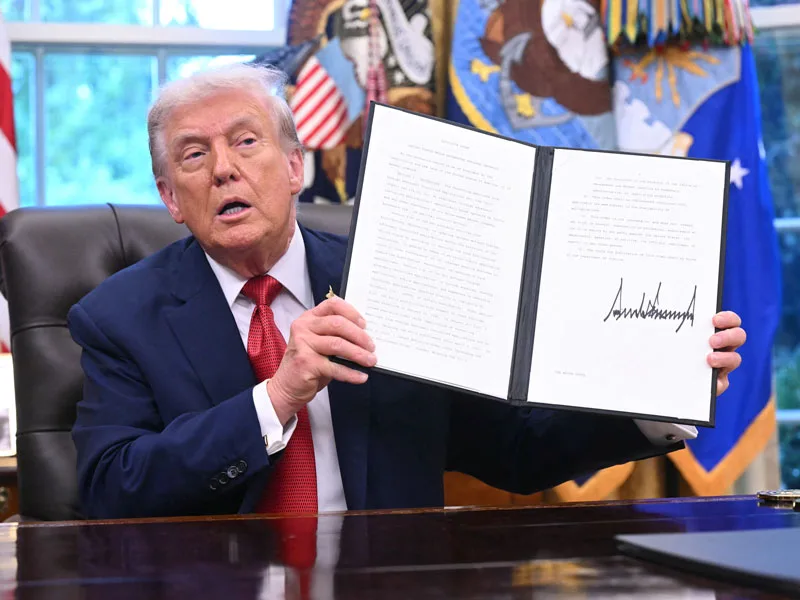
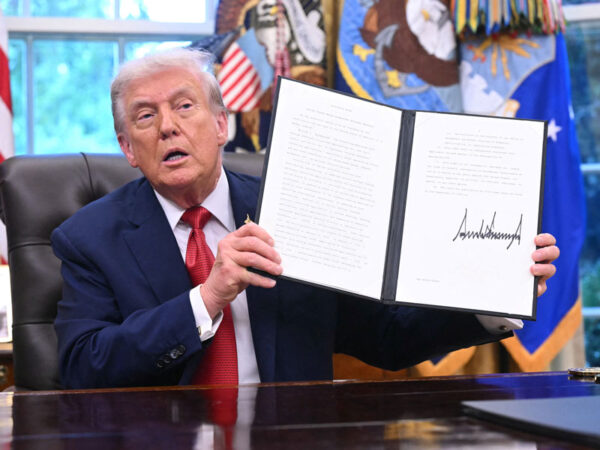
After a protracted period of legal battles, heightened geopolitical tensions, and a series of deferred deadlines, the fate of the immensely popular social media platform TikTok in the United States has seemingly been settled with an executive order mandating its divestiture from its Chinese parent company, ByteDance. This resolution, ostensibly a victory for American national security concerns and a testament to regulatory resolve, masks a more complex reality where Beijing retains significant strategic leverage. Far from a complete capitulation, the terms of the agreement may represent a sophisticated geopolitical maneuver, potentially solidifying China’s influence over a critical global digital asset.
On the surface, the proposed framework presents a compelling narrative of American control. Under the terms of the agreement, a newly established American entity, spearheaded by Oracle and a consortium of U.S. investors, would assume an 80% stake in TikTok’s U.S. operations. Crucially, all data pertaining to American users would be housed on Oracle’s servers located within the United States. Furthermore, the new entity is slated to license, and subsequently retrain, TikTok’s proprietary recommendation algorithms using American user data. The governance structure further bolsters this perception of U.S. oversight, with six out of seven board seats designated for American nationals. This arrangement appears to decisively place American data, infrastructure, and core technology under domestic control, with a substantial financial component – a multi-billion dollar payment from investors to the U.S. government – seemingly acting as a transaction fee for brokering this complex settlement.
However, a deeper examination of the ownership structure and the specifics of the technology transfer reveals a more nuanced picture, one that arguably favors Beijing’s long-term interests. Global investors already collectively hold approximately 60% of ByteDance, the parent company, with founders and employees accounting for the remaining stakes. The current deal, therefore, effectively raises U.S. ownership of the American operational segment to 80%, leaving ByteDance with a substantial, albeit slightly reduced, minority stake of just under 20%. More critically, the intellectual property underpinning TikTok’s highly effective recommendation algorithms – the very engine of its viral success – remains under ByteDance’s direct stewardship. Oracle and its U.S. partners are not acquiring outright ownership of this core technology but are instead being granted a license.
This distinction is paramount, particularly in the context of dynamic digital assets. Unlike tangible property, algorithms are not static; they are sophisticated, data-driven systems that require continuous refinement, optimization, and substantial ongoing engineering support to maintain their efficacy and competitive edge. While Oracle may gain access to the algorithm’s code, the ability to replicate it, and the capacity to retrain a licensed version on U.S. data, the fundamental reality is that the American iteration of TikTok will remain dependent on China for crucial periodic updates and advancements. This raises significant questions regarding the transparency and comprehensiveness of these updates. Will Oracle receive all necessary updates? More importantly, can it effectively monitor, audit, and truly understand the evolving nature of these algorithms, especially when they are subject to external control?
The power of any recommendation algorithm is intrinsically linked not only to its architectural design but also to the breadth and diversity of the data it is trained upon. By restricting the U.S. version of TikTok to solely American user data, Oracle will inherently lack access to the vast, global dataset that has fueled ByteDance’s development of its cutting-edge models. This creates an inherent disadvantage, potentially limiting the American TikTok’s ability to match the sophistication and global reach of its China-controlled counterparts. The competitive gap, therefore, may widen rather than narrow, with the U.S. entity operating with a handicap.
Beijing’s strategic advantage is further amplified by its existing export-control regulations. Since 2020, China has classified personalized recommendation algorithms as sensitive technologies, subjecting any transfer or export of such technology to government approval. This legal framework provides China with significant leverage. Every update or enhancement to TikTok’s algorithm, even if developed with U.S. data, would require explicit approval from Chinese authorities before it could be implemented in the U.S. market. This creates a powerful diplomatic tool for Beijing. In scenarios of escalating trade disputes, geopolitical friction over issues such as Taiwan, or broader technological competition, China could leverage its control over algorithm updates to exert pressure, effectively using TikTok as a bargaining chip in broader diplomatic negotiations. The platform, therefore, risks becoming an integral instrument of Chinese statecraft, capable of influencing international relations.
For U.S. investors involved in the new TikTok entity, this licensing arrangement signifies a future fraught with uncertainty, where the terms of operation are dictated less by commercial contracts and more by the fluctuating dynamics of geopolitical relations. The deal, in essence, replaces one form of dependence – direct operational control by a Chinese company – with another, subtler yet potentially more enduring, form of dependence: technological reliance on an entity subject to Chinese regulatory oversight and potential political interference.
While the immediate security concerns surrounding U.S. user data and direct algorithmic manipulation may be assuaged, the underlying risk of technological dependence on China persists, with Beijing holding a critical chokehold over the platform’s core recommendation engine. The Trump administration’s move, while appearing decisive, has effectively traded one vulnerability for another. It is plausible that a less competitive, U.S.-based TikTok, potentially hobbled by algorithmic limitations and dependency, might not be entirely detrimental from a public health perspective. Some analysts suggest that a less engaging and addictive version of the platform could ultimately benefit American teenagers, even if they are not consciously aware of the underlying reasons. This perspective, however, overlooks the broader economic and strategic implications of ceding technological leadership in a vital digital sector. The long-term economic impact of fostering a globally competitive digital ecosystem is a critical consideration that extends beyond immediate consumer behavior. The ability of American technology firms to compete on a global stage, driven by innovation and access to diverse datasets, is a fundamental pillar of economic growth and national technological sovereignty. This divestiture, while addressing immediate concerns, may inadvertently undermine these broader objectives by creating a less competitive and less innovative U.S. version of a globally dominant platform.