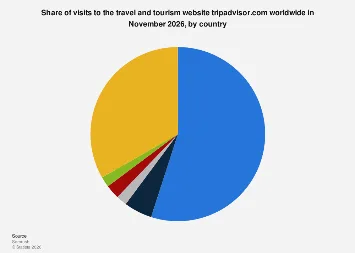
In February 2026, the vast digital landscape of global travel planning saw a significant concentration of user engagement on Tripadvisor.com, with a substantial portion of its audience originating from the United States. This data underscores the enduring influence of the U.S. market in shaping online travel trends and consumer behavior. While precise figures for all countries remain proprietary, insights indicate that the U.S. represented the largest single source of traffic, a testament to the platform’s deep integration into American travelers’ pre-trip research and booking processes. As of 2026, Tripadvisor continues to solidify its position as one of the preeminent digital destinations for travel and tourism information worldwide, facing an evolving competitive environment.
The digital footprint of travel planning is a dynamic indicator of consumer intent and market reach. For a platform like Tripadvisor, understanding the geographical distribution of its user base is crucial for strategic decision-making, from marketing initiatives to content localization and service development. The dominance of the U.S. market in February 2026 suggests that American consumers are heavily reliant on online resources for planning their journeys, whether for domestic exploration or international excursions. This reliance is fueled by the accessibility of comprehensive reviews, destination guides, and booking options that Tripadvisor aggregates.
Globally, the online travel agency (OTA) and review platform sector is highly competitive, with players like Booking.com, Expedia, and Airbnb vying for user attention. However, Tripadvisor’s unique strength lies in its extensive user-generated content, which fosters a sense of trust and authenticity among travelers. This community-driven approach has historically driven significant traffic, and the projected figures for 2026 indicate this trend is set to continue. The platform’s ability to cater to a wide spectrum of travel needs, from budget accommodations to luxury experiences and niche activities, further broadens its appeal across diverse demographics and geographic regions.
The economic implications of these traffic patterns are considerable. For destinations, understanding which countries are driving the most traffic to platforms like Tripadvisor can inform targeted tourism marketing campaigns. A strong showing from a particular country might signal an opportunity to invest more resources in promoting that market. Conversely, lower traffic from a region could indicate a need for enhanced digital outreach or the development of localized content to resonate with potential visitors from that area. The U.S. market’s substantial contribution to Tripadvisor’s visits suggests that inbound tourism strategies for many countries should continue to prioritize engagement with American travelers.
Furthermore, the data provides valuable insights for businesses operating within the travel ecosystem. Hotels, restaurants, tour operators, and other service providers can leverage this information to tailor their online presence and marketing efforts. For instance, businesses seeking to attract American tourists would benefit from ensuring their Tripadvisor listings are optimized, their responses to reviews are prompt and professional, and their marketing materials are aligned with the preferences of this demographic. The platform’s role as a discovery engine means that high visibility in key markets directly translates to potential bookings and revenue.
The projected traffic data for 2026 should also be viewed within the broader context of digital transformation in the travel industry. The increasing prevalence of mobile devices, the rise of personalized travel recommendations powered by artificial intelligence, and the growing demand for sustainable and experiential travel are all factors that will continue to shape user behavior. Tripadvisor, like its competitors, must adapt to these evolving trends to maintain its market leadership. The platform’s ability to integrate new technologies and cater to emerging traveler preferences will be critical in sustaining its visitor numbers across all key markets.
Examining the data by country allows for a more granular understanding of global travel intent. While the U.S. is identified as a leading source of traffic, it is essential to acknowledge that other regions also contribute significantly to Tripadvisor’s global reach. The sheer volume of international travel means that countries in Europe, Asia, and other parts of the world represent substantial user bases. Analyzing these secondary markets can reveal emerging travel trends and untapped opportunities. For example, a growing middle class in countries like China and India, coupled with increased disposable income, has led to a surge in outbound tourism, which platforms like Tripadvisor are well-positioned to capture.
The competitive landscape for online travel information is not static. New platforms and innovative business models can emerge, disrupting established players. Tripadvisor’s continued relevance will depend on its agility in responding to these challenges and its commitment to providing a comprehensive and user-friendly experience. The platform’s investment in technology, its efforts to enhance user engagement, and its strategic partnerships will all play a role in its future success. The projected traffic patterns for 2026 offer a snapshot of the current digital travel environment, but the long-term trajectory will be shaped by ongoing innovation and adaptation.
The economic impact of Tripadvisor’s reach extends beyond direct bookings. It influences consumer confidence, destination perception, and the overall flow of global tourism. A strong presence on the platform can significantly boost a destination’s visibility and attract investment. Conversely, negative reviews or a lack of online presence can deter potential visitors. Therefore, understanding which countries are engaging most with the platform provides a valuable barometer for the health and direction of international tourism. The continued reliance on platforms like Tripadvisor for travel planning highlights the indispensable role of digital tools in the modern tourism economy.
In conclusion, the projected traffic data for Tripadvisor in February 2026, with a strong showing from the United States, emphasizes the enduring importance of this market in the global travel landscape. This insight is not merely statistical; it carries significant economic implications for destinations, businesses, and the travel industry as a whole. As the digital realm continues to evolve, Tripadvisor’s ability to adapt and cater to the diverse needs of its global user base will be paramount to maintaining its position as a leading authority in online travel planning. The platform’s success is intricately linked to the broader trends shaping how people discover, plan, and experience the world.