A profound shift in India’s energy allocation strategy is underway, triggered by escalating geopolitical tensions in West Asia and their reverberations across global energy markets. With the critical Strait of Hormuz facing severe disruption and a significant liquefaction complex in Qatar experiencing operational setbacks, the Indian government has enacted decisive measures to safeguard essential domestic and transport energy needs. This policy pivot, implemented under the Essential Commodities Act, mandates full natural gas supply to households and compressed natural gas (CNG) vehicles, while imposing substantial curtailments on industrial consumers, including the vital fertilizer, refinery, and power sectors. The move underscores India’s acute vulnerability to external energy shocks and highlights the intricate balance policymakers must strike between economic stability and social welfare amidst a volatile global energy landscape.
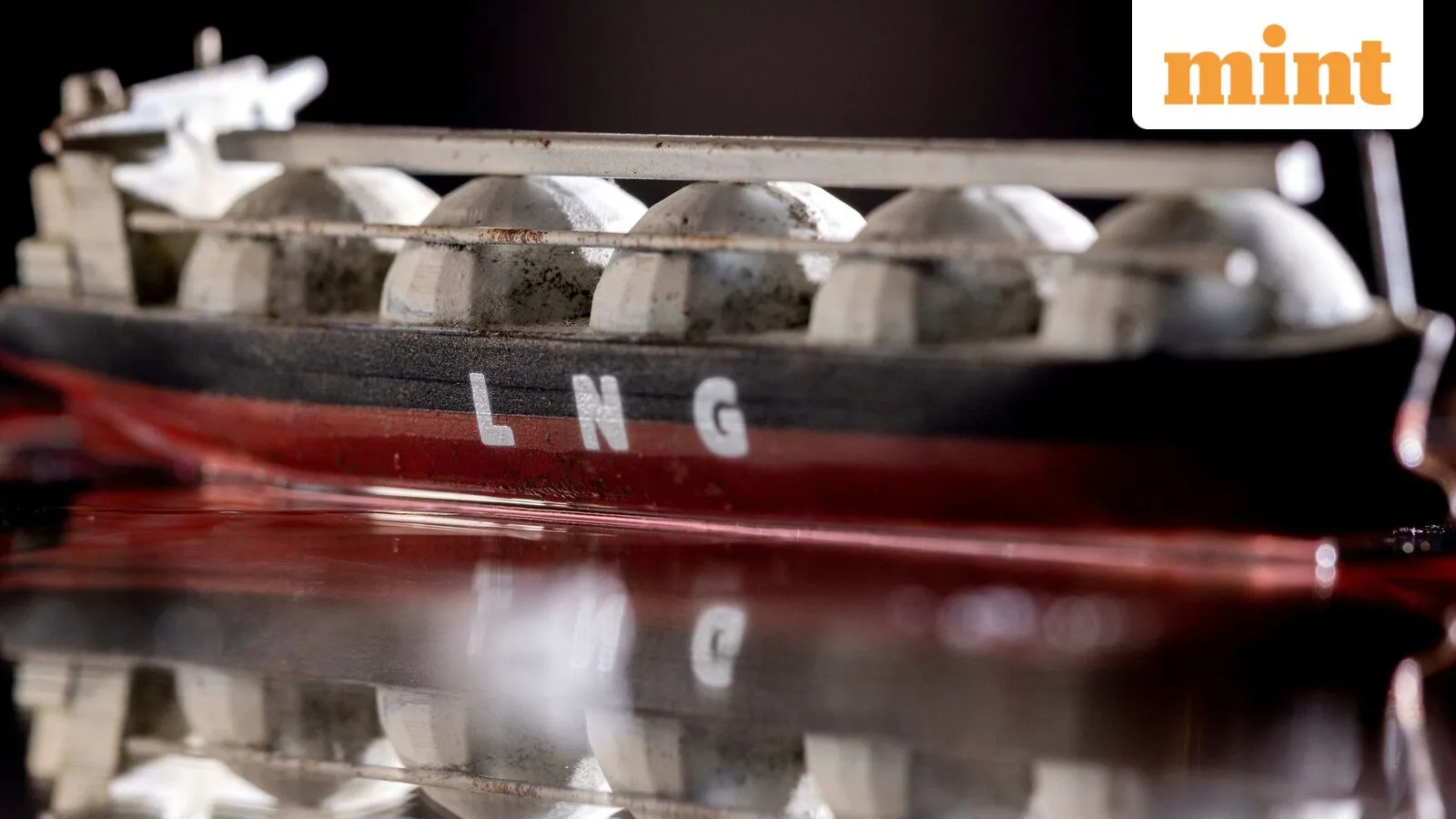
The recent directive stems directly from the intensifying conflict in West Asia, which has injected a significant risk premium into crude oil and natural gas prices worldwide. The Strait of Hormuz, a narrow maritime chokepoint connecting the Persian Gulf to the open sea, is a conduit for approximately one-fifth of the world’s total petroleum liquids consumption and a substantial volume of liquefied natural gas (LNG) and fertilizer shipments. Any impedance to traffic through this strategic waterway, whether due to direct military action, security threats, or insurance premium hikes, sends immediate tremors through global commodity markets. Compounding this pressure, an incident at QatarEnergy’s Ras Laffan liquefaction complex on March 2nd further tightened global LNG supplies, particularly impacting Asia, a major recipient of Qatari gas.
For India, a nation heavily reliant on imported energy to fuel its rapidly expanding economy, these disruptions present a formidable challenge. According to data from the Petroleum Planning and Analysis Cell (PPAC), India imports approximately 55% of its natural gas requirements. In the fiscal year 2025, gas imports totaled an estimated $14.9 billion, with nearly half originating from Qatar. This deep dependence on a region prone to geopolitical instability renders India highly susceptible to supply-side shocks and price volatility. The immediate consequence has been a dramatic surge in global LNG prices; European spot gas prices initially jumped by as much as 30% before settling, while Asian LNG prices have reportedly more than doubled since the renewed hostilities erupted in late February, with traders anticipating sustained elevation throughout the conflict’s duration.
In response to this critical situation, the government has moved swiftly to prioritize allocations. Domestic piped natural gas (PNG) connections and CNG for vehicles are guaranteed 100% of their usual supply, a strategic decision aimed at insulating millions of households from immediate discomfort and maintaining urban mobility. Conversely, industrial and commercial consumers drawing gas from the national grid will see their allocations reduced to 80% of their average consumption over the past six months. The fertilizer sector, crucial for agricultural productivity and food security, faces a more significant 70% cut. Even more stringent are the restrictions on refineries and petrochemical companies, which will endure a 35% reduction in their gas supplies. This differentiated approach reflects a calculated effort to mitigate the most direct impacts on citizens while imposing necessary, albeit challenging, adjustments on industrial users.

The economic ramifications of these curtailments are multi-faceted and potentially far-reaching. The fertilizer industry, already grappling with global price volatility for raw materials, will face increased production costs or a potential shift towards more expensive imported fertilizers. This, in turn, could translate into higher input costs for farmers, impacting agricultural output and potentially fueling food inflation, a critical macroeconomic concern for India. For refineries and petrochemical companies, reduced gas availability could impair operational efficiency, lead to lower production of essential derivatives, and erode their competitive edge in international markets. Power generation, where gas-fired plants often serve as crucial peaking power or grid balancing units, might see a greater reliance on alternative, potentially more carbon-intensive, fuels like coal, posing challenges to India’s climate commitments and leading to higher electricity tariffs for consumers and industries alike.
Beyond natural gas, the energy crunch has also extended to liquefied petroleum gas (LPG), another vital cooking fuel for Indian households. The government has imposed a 25-day "lock-in" period between LPG cylinder bookings for domestic consumers, a measure designed to manage demand and ensure equitable distribution. While prioritizing household consumption, this restriction creates immediate supply constraints for commercial users such as hotels, restaurants, and various industrial applications, potentially impacting their operational costs and service delivery. The Ministry of Petroleum has established a three-member committee of executive directors from oil marketing companies to assess and manage LPG requirements across these diverse sectors, exploring avenues to allocate limited volumes judiciously.
Analysts and economists underscore the precarious position India finds itself in, caught between the imperative of maintaining robust economic growth and the realities of global energy supply shocks. "This isn’t merely a supply issue; it’s a profound challenge to India’s energy security and macroeconomic stability," notes a leading energy economist. "The government’s immediate response prioritizes social stability, which is understandable, but the cuts to industrial sectors will inevitably create headwinds for manufacturing output, export competitiveness, and potentially contribute to inflationary pressures across the economy." The higher cost of energy inputs for industries could lead to a cascading effect, increasing the prices of finished goods and services, ultimately impacting the end consumer. Small and medium enterprises (SMEs), often operating on tighter margins, are particularly vulnerable to such supply disruptions and cost escalations.
In the long term, this crisis serves as a stark reminder of the urgent need for India to accelerate its energy diversification and strengthen its domestic energy production capabilities. While India has been actively pursuing strategic partnerships for LNG imports from diverse geographies like the United States, Australia, and East Africa, and investing in domestic exploration and production, the current events highlight the persistent gap. Enhancing renewable energy infrastructure, expanding the national gas grid, and investing in energy efficiency measures across industrial and residential sectors are crucial components of a resilient energy strategy. The current geopolitical turbulence underscores that energy security is not merely about availability but also about affordability and reliability, particularly for a nation with India’s developmental aspirations. The government’s actions, while necessary in the short term, will undoubtedly prompt a deeper re-evaluation of India’s long-term energy strategic planning to build greater resilience against future global shocks. The coming months will test the effectiveness of these measures and India’s ability to navigate a complex and increasingly unpredictable global energy landscape.