India’s rapidly expanding digital infrastructure, the backbone of its ambitious economic growth and societal transformation, faces an escalating challenge as the telecom sector grapples with critical energy supply constraints exacerbated by global geopolitical instability. The Digital Infrastructure Providers Association (DIPA), representing key players like Indus Towers and Ascend Telecom Infrastructure, has formally petitioned the government for urgent intervention, seeking priority electricity allocation for mobile tower sites and an exemption from recent restrictions on liquefied petroleum gas (LPG) supplies crucial for tower manufacturing. This plea underscores a growing concern that disruptions in energy supply could severely impede network expansion, jeopardize existing connectivity, and ultimately derail the nation’s digital agenda at a pivotal moment.
The immediate catalyst for these concerns stems from a government directive issued on March 5, which curtailed LPG supplies to industrial consumers, prioritizing domestic usage. This move, according to the Ministry of Petroleum & Natural Gas, was necessitated by "geopolitical disruptions to fuel supply and constraints on supply of LPG." While the specific regional tensions were not explicitly detailed, the ongoing volatility in West Asia, particularly the Red Sea shipping crisis involving Houthi attacks, has significantly impacted global energy supply chains. These disruptions have led to increased freight costs, extended transit times, and heightened insurance premiums for crude oil, LPG, and liquefied natural gas (LNG cargoes, contributing to tighter global markets and elevated prices. India, heavily reliant on imports for approximately 75-80% of its annual LPG demand of 33.15 million tonnes, is particularly vulnerable to such international market fluctuations, necessitating proactive measures to secure essential energy resources for its populace.
At the heart of the manufacturing crisis is LPG’s indispensable role in the galvanization process. Telecom towers, constructed primarily from steel, require a protective zinc coating to prevent rust and corrosion, thereby extending their operational lifespan, which can span decades. This galvanization process involves heating steel parts to high temperatures before dipping them in molten zinc, a step where LPG serves as the primary and most efficient fuel source. Manoj Kumar Singh, Director General of DIPA, highlighted the severe ramifications in a letter dated March 9 to the Department of Telecommunications (DoT) secretary, Amit Agrawal, stating that the discontinuation of LPG and LNG supplies to major tower manufacturing partners would "adversely impact the telecom tower manufacturing supply chain." Manufacturers, already operating under temporary low-flame conditions, face the daunting prospect of complete plant shutdowns if the supply disruption persists. Such closures would not only halt production but also incur significant time and cost penalties for restarting operations, inevitably leading to substantial delays in ongoing and planned tower rollout activities.
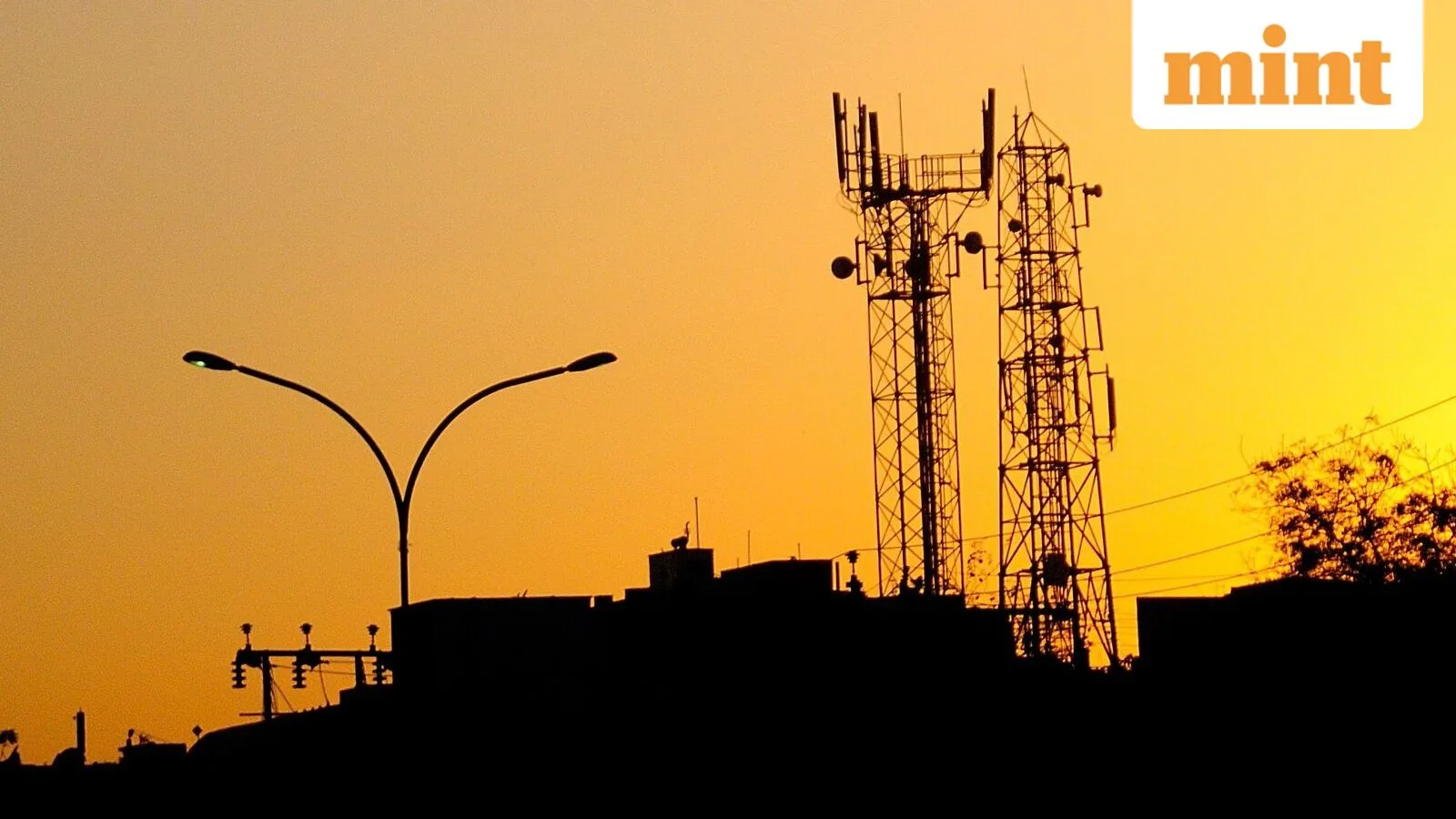
The ripple effects of these manufacturing delays extend far beyond the factory floor, threatening the very fabric of India’s digital expansion. With 854,065 telecom towers installed across the country as of March 9, these structures are foundational to cellular connectivity, supporting everything from basic voice calls to advanced 5G services. A slowdown in new tower deployment directly impedes efforts to strengthen existing networks, expand coverage into uncovered rural and remote areas, and densify networks in urban centers to meet the escalating demand for high-speed data. This could jeopardize India’s ambitious 5G rollout targets, which aim to deliver next-generation connectivity to a vast population, fostering innovation and economic competitiveness. Furthermore, any increase in manufacturing costs due to alternative, less efficient fuel sources or supply chain bottlenecks would likely translate into higher capital expenditure for telecom operators, potentially slowing down investment in critical infrastructure upgrades and expansions.
Beyond the manufacturing challenge, the telecom sector also faces persistent issues with power supply for operational sites. Mobile towers, designed for continuous operation, rely heavily on diesel-based generator sets to ensure uninterrupted service during grid outages, which remain a significant concern across various parts of India. These outages, whether planned or unplanned, can disrupt a wide array of mission-critical services. As Singh underscored in a separate letter to the DoT, any constraints on fuel availability for these generators could compromise network uptime and the seamless provision of digital connectivity. This includes vital services such as voice and data communications, the burgeoning 5G ecosystem, national security operations, emergency and disaster response mechanisms, digital governance platforms, financial transactions, and essential healthcare services like telemedicine.
The sector has long advocated for "essential services" status, a designation that would mandate assured grid connectivity and priority restoration during power interruptions. Such a status would compel state power distribution companies (DISCOMs) to minimize planned and unplanned power cuts affecting telecom infrastructure, recognizing its indispensable role in modern life. The absence of this preferential treatment leaves critical digital infrastructure vulnerable to the same power fluctuations that affect general consumers, despite its profound socio-economic implications. As India aims to become a $5 trillion economy, reliant on digital transactions and services, the stability of its telecom networks is non-negotiable.
The economic ramifications of compromised digital connectivity are substantial. A report by GSMA estimates that mobile technologies and services contributed 8.2% to India’s GDP in 2022, a figure projected to grow further. Disruptions to this sector can lead to direct economic losses from halted business operations, interrupted financial transactions, and impaired e-commerce activities. Moreover, the broader societal impact extends to education, with online learning platforms rendered inaccessible; healthcare, where telemedicine consultations could be cut short; and public services, as e-governance initiatives rely entirely on robust network availability. For a nation that has heavily invested in digital transformation initiatives like Digital India, any impediment to connectivity risks undermining years of progress and future potential.
The government finds itself in a delicate balancing act, prioritizing domestic energy security in the face of global supply shocks while simultaneously needing to support critical industrial sectors. The Ministry of Petroleum’s decision to increase LPG production from oil refineries and establish a committee of three Executive Directors from Oil Marketing Companies (OMCs) to review industrial requests for LPG supply indicates an awareness of the issue. However, the efficacy and speed of these measures remain to be seen. While ensuring LPG availability for households is a social imperative, a prolonged industrial supply crunch could inadvertently trigger a broader economic slowdown, negating the benefits of energy security in one area by creating instability in another. Industry stakeholders argue that a more nuanced and coordinated energy policy, recognizing telecom as critical infrastructure, is essential for navigating such crises.
Looking ahead, a robust and sustainable solution for India’s telecom energy needs requires a multi-faceted approach. Diversifying energy sources for tower sites, moving away from a sole reliance on diesel generators, is paramount. The integration of renewable energy solutions like solar and wind power, coupled with advanced battery storage systems, can enhance energy independence and reduce the carbon footprint of the sector. For manufacturing, exploring alternative heating methods or ensuring a dedicated strategic reserve of industrial LPG could mitigate future supply shocks. Globally, many nations categorize telecom as essential services, often with provisions for priority energy allocation during emergencies. India could draw lessons from these models, formalizing a framework for uninterrupted power and fuel supply to its digital backbone.
"The current situation highlights the inherent vulnerabilities of a highly interconnected, import-dependent economy to global events," comments Dr. Anjali Sharma, an independent energy policy analyst. "While the government’s instinct to secure domestic supply is understandable, a comprehensive strategy must also protect critical industries that underpin national growth and security. A blanket ban without robust alternatives can create more problems than it solves." Echoing this sentiment, Rajesh Khanna, a telecom sector veteran, adds, "Delays in tower deployment today mean a slower 5G rollout and a wider digital divide tomorrow. The long-term economic cost of compromised connectivity far outweighs the short-term savings from industrial LPG rationing." Ultimately, the ongoing dialogue between DIPA and government ministries underscores the urgent need for a cohesive national energy policy that not only addresses immediate crises but also builds long-term resilience for India’s vital digital infrastructure against the backdrop of persistent global volatilities.