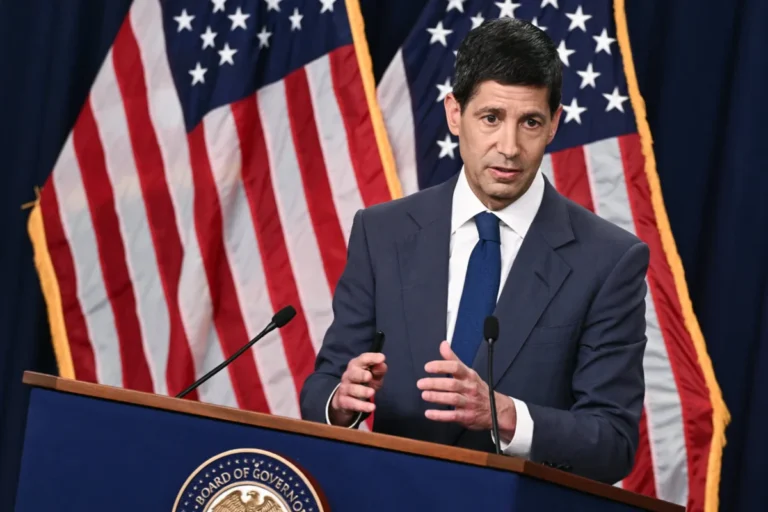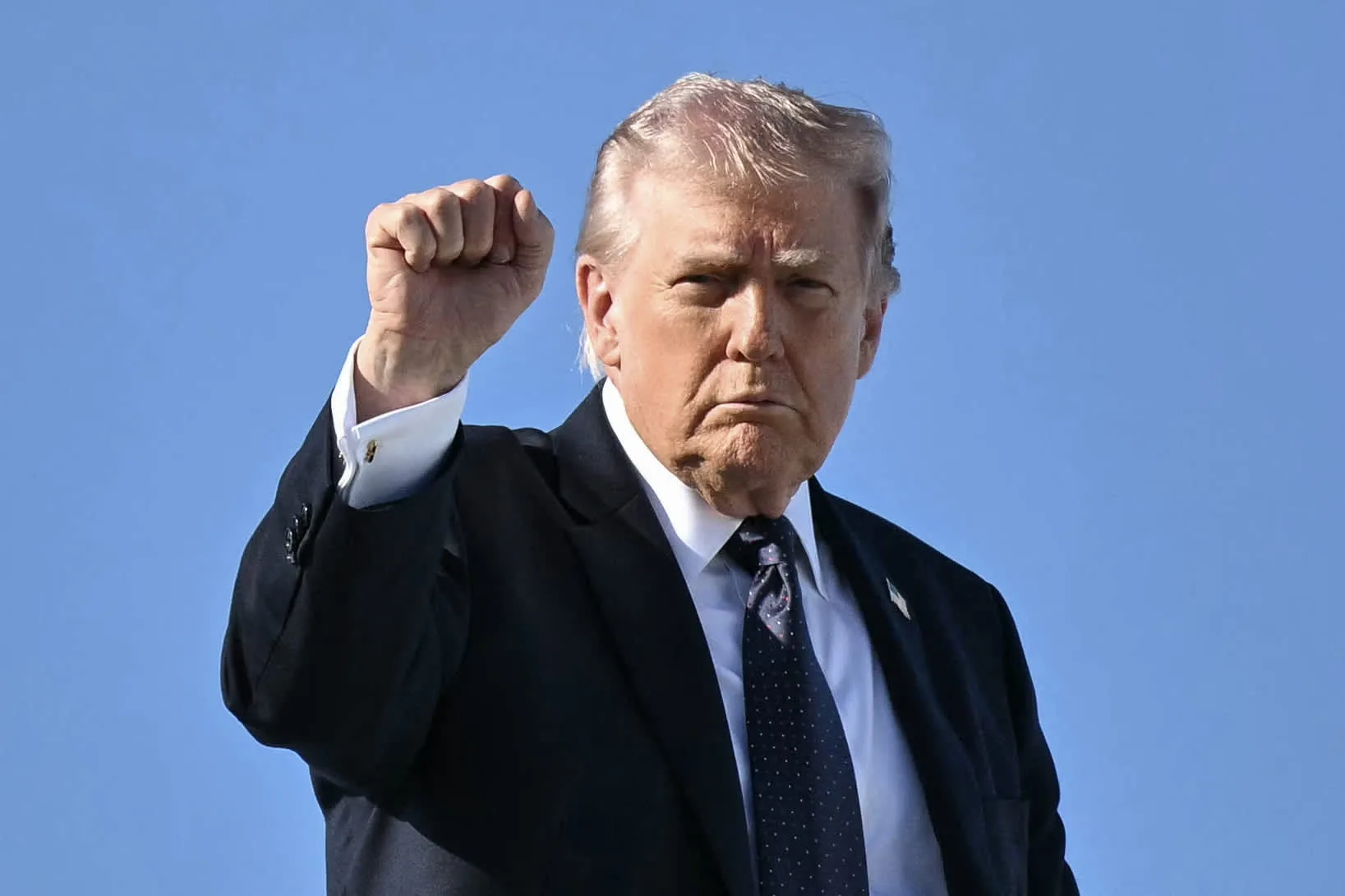
The long-simmering tension between traditional financial institutions and the rapidly maturing digital asset sector has reached a fever pitch, as President Donald Trump explicitly threw his weight behind cryptocurrency firms in a high-stakes legislative battle. At the heart of the dispute is a fundamental question of economic plumbing: whether issuers of stablecoins—digital tokens pegged to the U.S. dollar—should be permitted to offer interest-like yields to their holders. This confrontation, which pits the titans of Wall Street against the disruptors of Silicon Valley, represents a pivotal moment for the future of the American financial system and the global role of the dollar.
President Trump’s recent public declarations have injected a dose of political volatility into an already combustible debate. By pressuring major banking institutions to "make a good deal" with the crypto industry, the President has effectively sided with digital asset platforms like Coinbase over established giants such as JPMorgan Chase and Bank of America. This intervention is not merely a matter of rhetoric; it centers on the "Clarity Act," a piece of legislation currently stalled in a GOP-led Congress. The bill is intended to serve as a regulatory companion to the previously passed "Genius Act," which established the initial framework for regulated stablecoins. However, the Clarity Act has become the primary battlefield for a trillion-dollar disagreement over yield.
The banking sector’s opposition is rooted in an existential concern regarding the stability of the traditional deposit base. According to a recent Treasury Department study, the introduction of yield-bearing stablecoins could trigger a massive migration of capital, with estimates suggesting that up to $6.6 trillion in deposits could exit the traditional banking system. For context, this figure represents nearly one-third of the total deposits currently held in U.S. commercial banks. Such a flight of capital would not only erode the profitability of the nation’s largest lenders but could also prove catastrophic for smaller regional and community banks that rely heavily on stable, low-cost deposits to fund local business loans and mortgages.
Wall Street executives, led by JPMorgan CEO Jamie Dimon, have been vocal about the systemic risks posed by what they characterize as "shadow banking." Dimon has argued that allowing crypto firms to offer banking-like services without the stringent regulatory oversight, capital requirements, and insurance mandates faced by traditional lenders creates an unlevel playing field. During a recent interview, Dimon warned that a bifurcated regulatory environment—where one sector is heavily policed and the other operates with relative impunity—would ultimately result in a financial crisis for which the public would pay the price.
Conversely, the crypto industry views the ability to offer yields as a natural evolution of financial technology. Brian Armstrong, the CEO of Coinbase, has emerged as the primary antagonist to the banking establishment in this narrative. Armstrong and his peers argue that stablecoins backed by U.S. Treasury bills are inherently safer and more transparent than the fractional reserve banking system. By passing the yield earned on those Treasuries back to the consumer, crypto firms claim they are democratizing finance and providing Americans with a way to earn a fair return on their "idle" cash—a return that banks have historically been slow to provide to retail savers.
The economic implications of this shift extend beyond domestic deposit figures to the very heart of U.S. fiscal policy. Stablecoin issuers are already among the largest holders of U.S. Treasury debt globally. If the industry continues to scale, these private entities could become some of the most significant creditors to the U.S. government, potentially rivaling major sovereign nations. Proponents of the Clarity Act argue that a regulated, yield-bearing stablecoin market would create a massive, permanent source of demand for American debt, thereby helping to keep borrowing costs lower for the federal government.
However, the political optics of the President’s involvement have raised eyebrows across the capital. Critics point to potential conflicts of interest, noting that the Trump family has significant ties to the digital asset space through ventures such as World Liberty Financial. These connections have led some analysts to question whether the administration’s policy stance is driven by a genuine belief in financial innovation or by personal financial incentives. Despite these concerns, the President’s influence over the Republican party remains formidable, and his endorsement of the crypto industry’s position could be the catalyst needed to break the legislative logjam in Washington.
The market reaction to the President’s stance was immediate and telling. Shares of Coinbase surged by 15% following the news, reflecting investor optimism that a regulatory breakthrough could unlock massive new revenue streams for the platform. In contrast, the stock prices of major lenders like JPMorgan and Bank of America saw modest declines. While the immediate market impact was localized to the crypto and banking sectors, the long-term ramifications for the broader S&P 500 and the financial services industry are profound. A shift of trillions of dollars from bank balance sheets to digital wallets would necessitate a wholesale reimagining of how liquidity is managed in the global economy.
Internationally, the United States is racing against other jurisdictions that are further ahead in establishing clear rules for digital assets. The European Union’s Markets in Crypto-Assets (MiCA) regulation has already set a comprehensive framework, and other financial hubs like Singapore and Dubai are aggressively courting crypto firms with regulatory clarity. If the U.S. fails to pass the Clarity Act or a similar framework, there is a growing fear among policymakers that the "dollarization" of the digital economy will happen outside of American borders, using offshore stablecoins that are beyond the reach of U.S. regulators and law enforcement.
The tension between Armstrong and Dimon reached a symbolic peak during the World Economic Forum in Davos, where reports of a blunt and heated exchange between the two men surfaced. This personal animosity reflects a broader cultural and economic schism. On one side is the "old guard," which emphasizes stability, institutional trust, and the importance of the traditional banking hierarchy. On the other is the "new guard," which champions decentralization, code-based trust, and the disruption of traditional intermediaries.
As the debate moves back to the halls of Congress, the pressure on lawmakers is immense. The banking lobby remains one of the most powerful forces in Washington, and they have successfully fended off previous challenges, such as the President’s earlier attempt to cap credit card interest rates. However, the crypto lobby has matured rapidly, pouring millions into campaign contributions and building a bipartisan coalition of supporters who view digital assets as a key component of future American competitiveness.
The path forward likely involves a complex compromise. Lawmakers may explore a "middle way" that allows stablecoin issuers to offer yields but subjects them to bank-like supervision, including rigorous audits and liquidity requirements. There is also discussion of a tiered system where only certain types of "highly regulated" stablecoins are permitted to pay interest. Regardless of the outcome, the status quo is increasingly untenable. The "trillion-dollar battle" over stablecoin yield is not just a fight over interest rates; it is a fight over who will control the digital rails of the 21st-century economy.
In the coming months, the focus will shift to the specific language of the Clarity Act and the amendments that will inevitably be proposed to appease the banking sector. If the bill passes with the yield provisions intact, it will mark one of the most significant shifts in American financial regulation since the Dodd-Frank Act. If it fails, the industry will likely continue to operate in a legal gray area, with firms finding "loopholes" to offer yields while banks continue to warn of a looming systemic collapse. For now, the President has made his move, and the ball is firmly in the court of Wall Street and the U.S. Congress.