The International Energy Agency (IEA) has issued a stark warning regarding the escalating geopolitical tensions in the Middle East, characterizing the current threat to Iranian oil flows as potentially the most significant disruption to global energy supplies in modern history. This assessment comes at a delicate juncture for the global economy, as nations grapple with stubborn inflation, volatile commodity markets, and an accelerating but uneven transition toward renewable energy. The specter of a full-scale conflict involving Iran, one of the world’s most pivotal energy producers and a gatekeeper to the world’s most vital maritime transit point, has sent ripples through financial hubs from London to Singapore, forcing a re-evaluation of energy security strategies that have stood for decades.
Historically, the global oil market has been defined by its "shocks"—the 1973 Arab Oil Embargo, the 1979 Iranian Revolution, and the 2022 Russian invasion of Ukraine. However, the IEA suggests that the current convergence of regional instability, combined with the sheer volume of petroleum products at risk, could eclipse these previous crises in both scale and duration. At the heart of this concern is not just the production capacity of Iran itself, which currently hovers around 3.2 million barrels per day (bpd), but the systemic vulnerability of the infrastructure surrounding the Persian Gulf.
The Strait of Hormuz remains the ultimate "chokepoint" for the global economy. Approximately 21 million barrels of oil pass through this narrow waterway daily, representing roughly 20% of the world’s total liquid petroleum consumption. Unlike the disruption caused by the war in Ukraine, which primarily affected European gas and oil flows and led to a complex redirection of Russian crude to Asia, a total closure or significant impairment of the Strait of Hormuz would leave no immediate alternative for the massive volumes of crude originating from Saudi Arabia, Kuwait, the United Arab Emirates, and Iraq. The IEA’s analysis underscores that the global "spare capacity"—the extra production that can be brought online quickly to mitigate shortages—is largely concentrated within the very region currently under threat.
Market analysts have observed a growing "risk premium" baked into Brent crude prices, though some argue that the full gravity of a potential Iranian conflict has not yet been priced in. In previous months, oil prices remained relatively range-bound due to record-breaking production in the United States and sluggish economic growth in China, the world’s largest oil importer. However, the IEA warns that this complacency is dangerous. If Iranian exports were to be completely removed from the market, or if retaliatory strikes targeted regional energy infrastructure, the resulting supply deficit could drive prices well into the triple digits, potentially exceeding the record highs seen in 2008.
The economic ramifications of such a price surge would be devastating for a global recovery that is already on shaky ground. For central banks, including the U.S. Federal Reserve and the European Central Bank, a sustained spike in energy costs would complicate the fight against inflation. Energy is a foundational input for almost every sector; higher oil prices translate directly into increased costs for transportation, plastics, fertilizers, and manufacturing. This "cost-push" inflation could force central banks to maintain higher interest rates for longer, potentially tipping fragile economies into recession. For emerging markets, particularly those that are net energy importers, the combination of a stronger U.S. dollar and soaring fuel costs could trigger a balance-of-payments crisis and widespread social unrest.
Beyond the immediate price mechanics, the IEA is focusing on the "shadow fleet" and the circumvention of sanctions. Over the past few years, Iran has successfully navigated international restrictions, selling significant quantities of oil to independent refiners in China. This trade has created a parallel market that operates outside the traditional financial and insurance frameworks of the West. A major disruption would not only impact the official market but would also leave these "teapot" refineries in China without their primary feedstock, creating secondary shocks throughout the Asian industrial heartland.
The role of the United States in this crisis is multifaceted. While the U.S. has achieved a level of energy independence as the world’s top crude producer, it is not immune to global price shocks. Domestic gasoline prices are tied to international benchmarks, and any significant disruption in the Middle East would lead to immediate pain at American pumps. Furthermore, the U.S. Strategic Petroleum Reserve (SPR), which was heavily tapped following the invasion of Ukraine, remains at historically low levels. The IEA notes that the ability of Western nations to coordinate a massive release of emergency stocks is currently more limited than it was three years ago, reducing the buffer available to stabilize the market.
In the Persian Gulf, the technological nature of the threat has also evolved. The proliferation of drone technology and precision-guided missiles means that even minor actors can inflict disproportionate damage on refineries, desalination plants, and loading terminals. The 2019 attacks on Saudi Arabia’s Abqaiq and Khurais facilities demonstrated how a single morning of kinetic action could temporarily knock out 5% of global oil supply. The IEA’s current warning reflects a fear that a conflict involving Iran would involve a much more sustained and widespread campaign against energy infrastructure, potentially rendering some facilities inoperable for months.
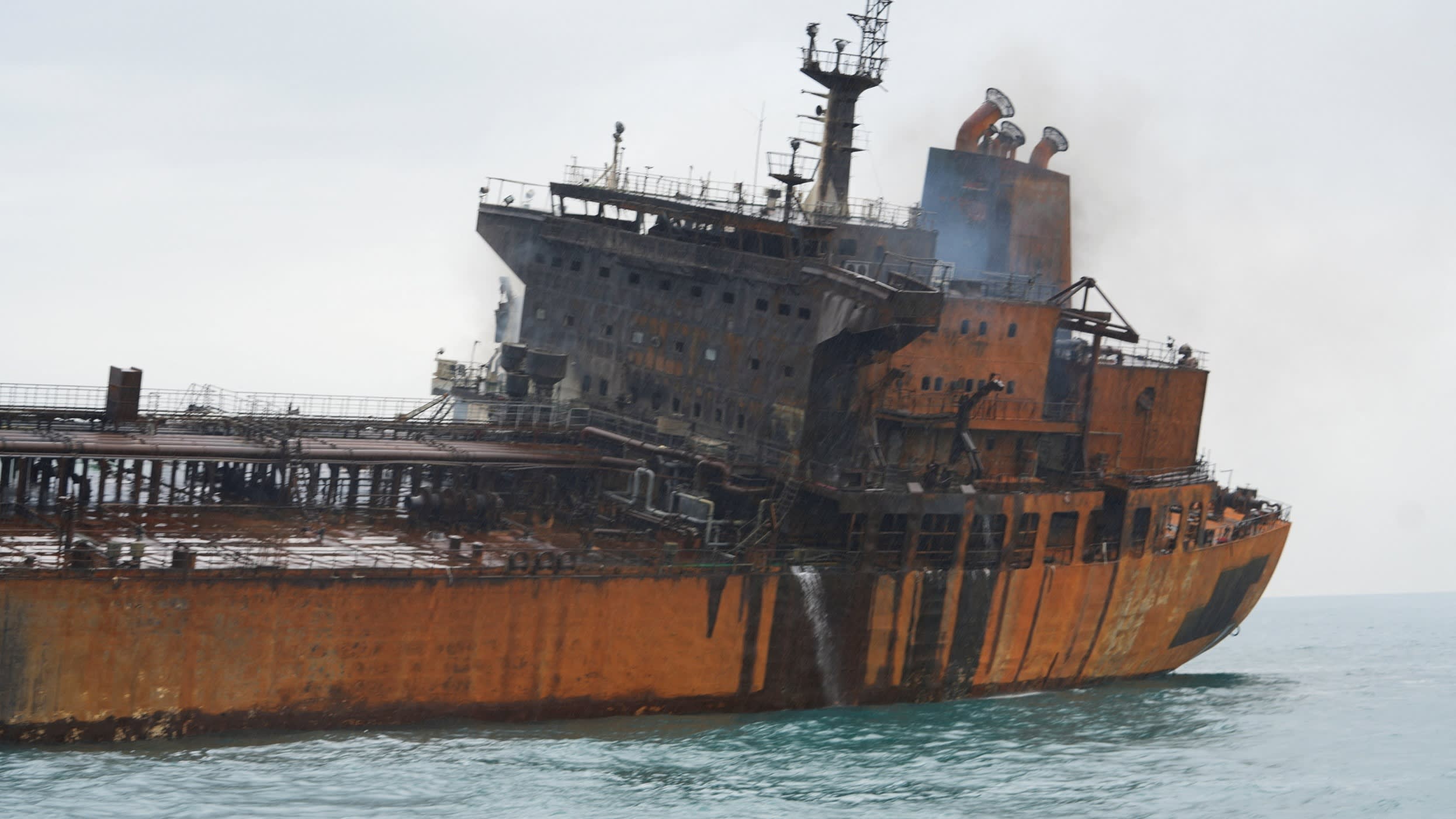
From a maritime perspective, the shipping industry is already under duress. The ongoing attacks by Houthi rebels in the Red Sea have forced many tankers to take the long route around the Cape of Good Hope, adding weeks to transit times and significantly increasing freight and insurance costs. If the conflict expands to the Persian Gulf, the insurance premiums for tankers could become prohibitive, effectively creating a blockade even without a physical closure of the Strait. This logistical bottleneck would create a "disconnected market," where oil might exist in storage tanks but cannot be safely or economically moved to the refineries that need it.
Looking at the broader geopolitical chessboard, the IEA’s report serves as a catalyst for a renewed debate on the pace of the energy transition. For some policymakers, the historic disruption caused by the Iran crisis is a clear signal to accelerate the shift toward domestic renewable energy and electric vehicles, thereby reducing dependence on volatile foreign oil. For others, the crisis highlights the continued and inescapable necessity of fossil fuels, prompting calls for increased investment in non-OPEC production and more robust energy defense capabilities.
The IEA also points to the shifting alliances within the OPEC+ bloc. The relationship between Riyadh and Tehran, while recently showing signs of a diplomatic thaw brokered by Beijing, remains fragile. Any conflict that forces Saudi Arabia to choose between its regional security and its role as the "central bank of oil" would have profound implications for the future of the OPEC+ agreement. If the cartel’s ability to manage supply is broken by the chaos of war, the era of managed oil prices could give way to a period of unprecedented and destructive volatility.
In conclusion, the IEA’s characterization of the Iranian situation as the "largest disruption in history" is not merely hyperbole; it is a calculated warning based on the high stakes of modern global connectivity. The world is far more dependent on the seamless flow of energy today than it was during the shocks of the 20th century. The just-in-time delivery systems that power global trade have very little tolerance for the kind of systemic breakdown that a conflict in the heart of the Middle East would precipitate. As the international community watches the escalating tensions, the focus must remain on the fragility of the energy ecosystem. The current crisis is a reminder that in the modern age, energy security is synonymous with national security, and the stability of the global economy remains precariously balanced on the waters of the Persian Gulf. Strategies for resilience, diversification, and diplomacy have never been more critical as the world prepares for what could be its most challenging energy trial to date.