The ongoing geopolitical instability in West Asia has plunged India’s thriving aviation sector into a vortex of rising operational costs and significant logistical challenges, prompting major carriers to appeal to the government for urgent financial relief. As the conflict intensifies and broadens its geographical impact, airlines are grappling with a multi-pronged assault on their profitability, primarily driven by soaring fuel prices, prohibitive insurance premiums, and the operational complexities of rerouting flights through congested or extended air corridors. This unprecedented pressure threatens to unravel the delicate financial recovery the industry has experienced post-pandemic, potentially leading to higher ticket prices for consumers and a broader economic ripple effect.
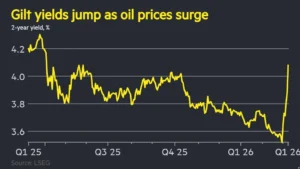
At the heart of the airlines’ plea to Union Civil Aviation Minister Rammohan Naidu Kinjarapu is the dramatic surge in Air Turbine Fuel (ATF) expenses, which typically constitutes the largest operational cost component for carriers, often accounting for 30-40% of their total expenditure. The West Asia conflict, a critical global energy hub, has injected significant volatility into crude oil markets, pushing prices upwards and directly inflating ATF costs. Carriers have specifically requested a reduction in excise duty or the Goods and Services Tax (GST) levied on ATF, arguing that such fiscal intervention is crucial to mitigate the immediate financial strain. India’s domestic ATF taxation, often higher than international benchmarks, exacerbates this issue, placing local airlines at a competitive disadvantage when global crude prices are elevated.
Beyond fuel, the cost of aviation insurance has escalated dramatically for routes traversing or approaching the conflict-affected zones. Insurers, recalibrating risk assessments in light of heightened geopolitical tensions and potential threats to commercial aviation, have imposed substantial surcharges, effectively adding another layer of financial burden. This "war risk" premium is a direct consequence of the perceived instability, forcing airlines to either absorb these additional costs or pass them on to passengers. For airlines already operating on razor-thin margins, such an increase can swiftly erode profitability and even push some routes into unviability.
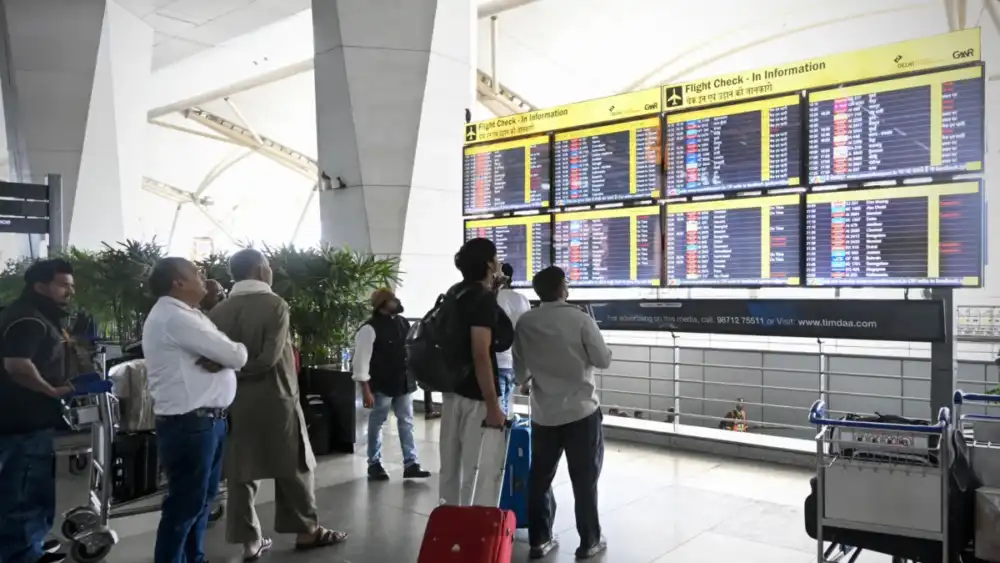
Operational disruptions represent another significant hurdle. The closure of airspace over several nations in the West Asia region has necessitated extensive rerouting of flights, particularly those destined for Europe, North America, and other parts of the Middle East. These detours translate into longer flight durations, requiring more fuel, increased crew hours, and potentially incurring higher landing and overflight charges from alternative air traffic control jurisdictions. For instance, a typical flight from India to Europe might see its journey extended by several hours, burning thousands of additional kilograms of fuel and increasing maintenance wear and tear. Furthermore, access to Pakistani airspace remains restricted for Indian carriers, adding another layer of complexity to route planning for flights heading westward. These operational adjustments, while essential for passenger safety, significantly inflate per-flight costs and disrupt carefully planned schedules.

The humanitarian aspect of the crisis has also placed a unique economic strain on airlines. Many carriers have been engaged in extensive repatriation efforts, bringing back citizens stranded in the affected regions. While these operations are critical national services, they often involve flights departing with full passenger loads from conflict zones but returning largely empty, or with significantly reduced passenger numbers, on the inbound leg. This imbalance creates a substantial financial drain, as the cost of operating a nearly empty aircraft is almost identical to a full one, without the corresponding revenue generation. The Ministry of Civil Aviation reported that as of early March, 51 inbound flights by Indian carriers brought back over 8,175 passengers, underscoring the scale of these operations.
The ripple effect of these operational and financial pressures extends directly to consumers. Airlines have indicated that a prolonged period of disruption and elevated costs will inevitably lead to an increase in ticket prices to maintain financial viability. The government, acutely aware of the potential for price gouging during a crisis, has publicly stated its commitment to "closely monitoring airfares" to prevent any undue surge. This delicate balancing act between supporting the beleaguered aviation industry and protecting consumer interests highlights the complex economic decisions facing policymakers.
In response to the evolving situation, Indian carriers have been making dynamic adjustments to their flight schedules and network. Major players like Air India and Air India Express have announced plans to operate a significant number of additional flights, including 78 extra services on nine routes to Europe, North America, Sri Lanka, and the Maldives, from mid-March. This strategy aims to support passenger movement and maintain connectivity despite the regional turbulence. Furthermore, 32 additional non-scheduled flights were slated for operation to the UAE specifically for the repatriation of stranded Indians, subject to prevailing conditions. Other carriers, including IndiGo, SpiceJet, and Akasa Air, are also coordinating efforts to ensure operational feasibility for routes to key West Asian destinations like Abu Dhabi, Dubai, Fujairah, Jeddah, Muscat, and Ras Al Khaimah, with a combined plan for 50 such flights.
Globally, the aviation sector has long been susceptible to geopolitical shocks. Past conflicts in the Gulf region, the 9/11 attacks, and more recently, the conflict in Ukraine, have demonstrated the severe and immediate impact on airline operations, fuel costs, and passenger confidence. Airlines often respond by diversifying routes, enhancing fuel hedging strategies, and investing in more fuel-efficient aircraft. However, the sheer unpredictability and rapid escalation of West Asian tensions present a unique challenge, given the region’s pivotal role in global aviation routes and energy markets. The economic impact is not confined to airlines alone; it reverberates through the tourism sector, cargo logistics, and ultimately, broader international trade, as the cost and reliability of air transport are fundamental to global supply chains.
Looking ahead, the Indian government faces a crucial decision regarding the requested fiscal relief. While tax cuts on ATF could provide immediate respite to airlines, it would also entail a reduction in government revenue, necessitating a careful assessment of its fiscal implications. A targeted approach, potentially combining temporary tax reductions with other forms of operational support or credit facilities, might offer a more balanced solution. The long-term resilience of India’s aviation sector, a key enabler of economic growth and global connectivity, will depend significantly on its ability to navigate these turbulent skies, supported by agile government policies and robust industry strategies designed to manage escalating geopolitical risks. The current crisis serves as a stark reminder of the interconnectedness of global politics, energy markets, and the vital arteries of international travel.