New Delhi is closely scrutinizing its national fuel and oil reserves as escalating geopolitical tensions in the Middle East threaten to destabilize global oil supply chains, particularly impacting the critical Strait of Hormuz. This maritime choke point, through which a significant portion of the world’s crude oil and liquefied natural gas (LNG) traverses, has become a focal point of concern for major energy-consuming nations, none more so than India, which relies heavily on imports to fuel its rapidly growing economy. The recent surge in global crude prices, coupled with temporary disruptions to key energy infrastructure in the region, underscores the precarious balance of international energy markets.
Currently, India’s state-run refiners maintain a crude oil inventory sufficient for approximately 25 days of operations, complemented by an additional 25-day supply of refined petroleum products like petrol and diesel. Furthermore, the nation holds around 25 days of cooking gas (LPG) stock and up to 21 days of liquefied natural gas (LNG) reserves. These operational inventories are augmented by the country’s Strategic Petroleum Reserves (SPR), which possess a capacity of 5.3 million tonnes. As of October 2024, about 3.6 million tonnes were stored in these underground caverns, providing an additional buffer equivalent to roughly 9.5 days of India’s crude oil consumption. While these figures offer a degree of immediate comfort, particularly in the face of short-term disruptions, officials acknowledge the continuous imperative to bolster energy security.
The Indian government has publicly affirmed its "reasonably comfortable" position regarding existing stocks, prioritizing the safeguarding of domestic consumers’ interests. A 24×7 control room established by the Union Ministry of Petroleum and Natural Gas is diligently monitoring supply and stock levels nationwide. This proactive stance is crucial given that state-run oil marketing companies—Indian Oil Corp, Hindustan Petroleum Corp. Ltd (HPCL), and Bharat Petroleum Corp. Ltd (BPCL)—collectively command approximately 78% of India’s retail fuel market, making their operational continuity vital for national stability.
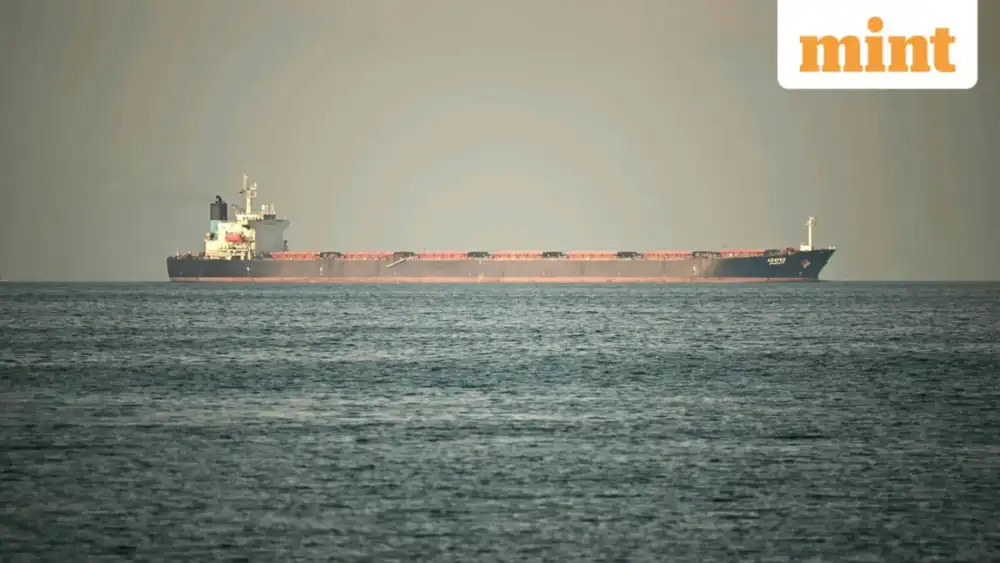
The Strait of Hormuz, a narrow waterway connecting the Persian Gulf to the open ocean, is an indispensable artery for global energy trade. Approximately half of India’s crude oil cargoes originate from the Persian Gulf, necessitating transit through this strait. India’s profound dependency on energy imports, with around 90% of its crude oil requirements sourced from abroad, amplifies the nation’s vulnerability to any closure or significant disruption in this critical passage. The economic implications are substantial; a sustained increase of just $1 per barrel in oil prices translates into an approximate ₹16,000 crore boost to India’s annual import bill, exerting inflationary pressure and potentially widening the current account deficit.
Global oil markets have reacted sharply to the heightened geopolitical risks. In recent trading sessions, crude prices witnessed a nearly 15% surge, reflecting market anxiety over potential supply shortages. The April contract for Brent crude on the Intercontinental Exchange (ICE) climbed to $82.90 per barrel, representing a 6.91% increase from its prior close. Similarly, the West Texas Intermediate (WTI) April contract on the NYMEX rose by 6.46% to $75.83 a barrel. Such volatility underscores the fragility of the energy ecosystem when major transit routes are imperiled. Oxford Economics, an advisory firm, initially suggested the market was well-equipped to manage the immediate impact, with Bridget Payne, head of energy forecasting, noting that a "full-blown oil crisis" was unlikely, assuming disruptions would be neither severe nor prolonged. However, she highlighted that while the Strait might remain technically open, transit could effectively pause due to elevated security risks and prohibitive insurance premiums.

A comparative analysis of strategic reserves reveals India’s relatively lower buffer compared to other major Asian economies. While China, another top energy consumer, is estimated to hold at least six months’ worth of crude supplies in storage, India’s inventories are considerably more modest. Ajay Parmar, Director of Energy and Refining at ICIS, a commodities research group, warned that India is "much more vulnerable in this situation." Japan’s oil reserves are reported to cover an impressive 254 days of consumption, and South Korea’s stocks are adequate for about 208 days. This disparity underscores a strategic imperative for India to enhance its long-term storage capabilities to mitigate future shocks.
In response to these vulnerabilities, India has embarked on a multi-pronged strategy to diversify its energy sources and enhance resilience. The nation currently sources oil from approximately 41 countries, a testament to its efforts to reduce reliance on any single region or supplier. Recent diplomatic engagements have secured new energy partnerships, with cooking gas supplies from Canada and crude oil shipments from the United States commencing in January, further broadening the supplier base. State-run oil marketing companies are actively scouting for alternative sources for all energy products. While supplies from Russia, a significant provider in recent years, have seen a decline from peaks of 2 million barrels per day (bpd) in July 2024 and 1.8 million bpd in November 2025, averaging 1.04 million bpd in February, they have not ceased entirely. India is exploring increased imports from other geographies, including Africa and South America, to maintain a flexible and diversified procurement portfolio.
The liquefied natural gas (LNG) sector has also felt the ripple effects of regional instability. QatarEnergy, a pivotal global gas supplier and a key provider to India, temporarily halted operations at its Ras Laffan plant following a missile strike. While officials indicated a potential pause of approximately 10 days, India’s existing LNG stocks are deemed adequate for the near term. However, the situation necessitates continuous monitoring, with plans to implement fresh measures should the closure extend. This incident highlights the fragility of crucial energy infrastructure in conflict zones. India’s long-term energy security in this domain is partially bolstered by agreements such as Petronet LNG Ltd’s extended contract with QatarEnergy in February 2024, securing 7.5 million tonnes of LNG annually for another two decades, emphasizing the importance of stable, long-term supply relationships.
The broader implications of a prolonged conflict and its impact on the Strait of Hormuz are a subject of intense expert debate. Shweta Singh, Associate Professor at the Department of International Relations, South Asian University, opined that while Iran might not shy away from a protracted closure, the United States and its allies would likely undertake sustained efforts, including military interventions, to ensure the continued flow of oil. The situation could become particularly dire if Saudi oil infrastructure were targeted or if other Gulf countries were drawn into the conflict. Singh cautioned that "extreme disruption might lead to a situation very close to the oil shock of the 1970s," a scenario that even major global powers would strive to avert. However, for Iran, she noted, the Strait of Hormuz and shipping lanes represent crucial leverage, especially for its regime’s survival.
Looking ahead, the global energy landscape remains in a state of flux, characterized by geopolitical volatility and the continuous interplay of supply and demand dynamics. India’s strategic imperative is clear: to enhance its energy resilience through increased domestic exploration, aggressive diversification of import sources, expansion of strategic reserves, and investment in alternative energy pathways. The current challenges serve as a stark reminder of the intricate linkages between geopolitics, trade, and national economic stability, urging nations like India to accelerate their transition towards a more secure and sustainable energy future. The focus on robust monitoring, flexible procurement strategies, and the development of non-Hormuz routed energy supplies are critical components of India’s ongoing efforts to navigate these turbulent waters.