The intricate rhythm of India’s financial system often pauses to observe a diverse tapestry of holidays, a tradition deeply embedded in its cultural and regulatory framework. For March 2026, the Reserve Bank of India (RBI), the nation’s central banking institution, has delineated a comprehensive schedule of 18 public holidays for both public and private sector banks across the country. This extensive list, which includes fixed weekend closures alongside national and regional observances, underscores the ongoing challenge for the banking industry to balance traditional practices with the demands of a rapidly digitizing economy. The declaration, made under the provisions of the Negotiable Instruments Act, dictates periods when physical banking operations cease, thereby influencing everything from interbank settlements to individual financial planning.
The RBI’s holiday calendar is a critical reference for businesses and individuals, outlining specific days when branches will remain inaccessible for traditional counter services. Beyond the universally observed national holidays, the schedule incorporates a unique blend of festivals and regional events, reflecting India’s vast cultural diversity. Significantly, the 18 days earmarked for March 2026 encompass all Sundays, the second and fourth Saturdays of the month – standard non-working days for banks nationwide – in addition to specific regional festivals. For instance, while the first Saturday of March (the 7th) is designated as a regular working day, Sunday, March 8th, is a standard weekend closure. This pattern repeats throughout the month, with the second and fourth Saturdays consistently observed as holidays, alongside other regionally important dates, such as Chapchar Kut in Assam, which might create extended weekends in specific states.
The existence of numerous bank holidays, a characteristic feature of India’s financial landscape, presents both logistical complexities and an intriguing case study in economic resilience. Historically, such closures could lead to significant disruptions, stalling trade, delaying payments, and creating liquidity challenges for businesses, particularly small and medium-sized enterprises (SMEs) reliant on physical transactions. Cheque clearances, loan disbursements, and large-scale cash deposits were traditionally tied to the operational hours of brick-and-mortar branches. However, the advent and widespread adoption of digital banking services have dramatically reshaped this narrative, offering a robust buffer against the traditional impact of physical branch closures.
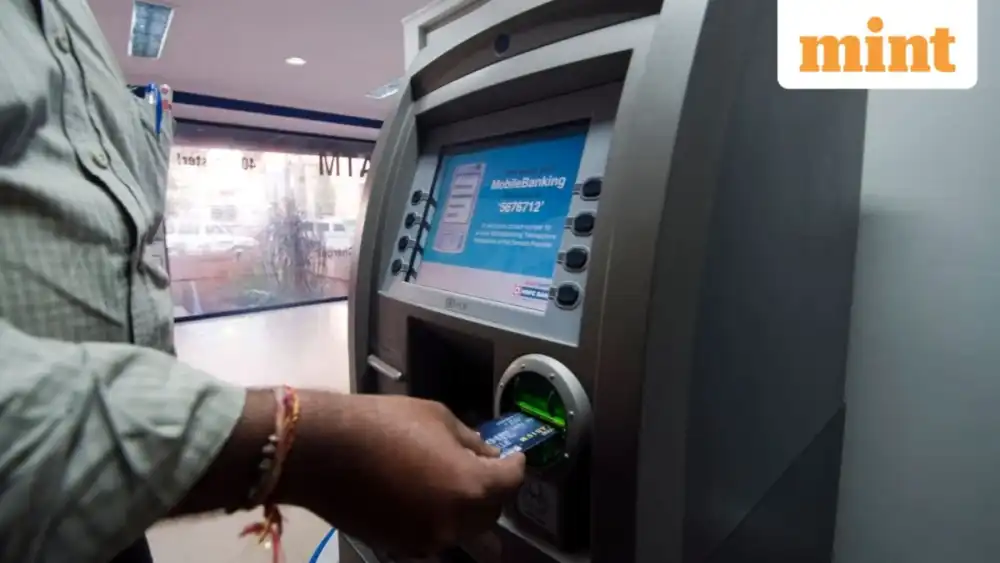
In the contemporary Indian financial ecosystem, digital platforms have emerged as the primary conduit for transactions, ensuring continuity even when bank branches are shuttered. Services like Unified Payments Interface (UPI), mobile banking applications, internet banking portals, and a vast network of Automated Teller Machines (ATMs) operate seamlessly 24/7, irrespective of the holiday calendar. The exponential growth of UPI, which processed over 13.4 billion transactions worth ₹19.96 trillion (approximately $240 billion) in January 2024 alone, exemplifies the nation’s rapid shift towards digital payments. This digital infrastructure allows individuals to manage accounts, transfer funds, pay bills, and make withdrawals, largely mitigating the immediate inconvenience of bank holidays. For businesses, electronic fund transfers (NEFT, RTGS) and online payment gateways ensure that critical financial operations can continue, albeit with an awareness of potential delays in backend processing or settlement for certain types of transactions.
Despite the digital advancements, the economic impact of bank holidays is not entirely erased. Certain high-value or complex transactions, such as the processing of demand drafts, specific loan applications requiring physical documentation, locker access, or large cash deposits/withdrawals beyond ATM limits, still necessitate physical branch interaction. For businesses engaged in traditional trade or those with a significant cash component, prolonged closures can affect supply chain financing, inventory management, and timely vendor payments. An expert from a leading economic think tank noted, "While digital rails provide exceptional resilience, the underlying settlement systems for certain financial instruments can still experience backlogs post-holiday periods. This creates a ripple effect, particularly for sectors with tight liquidity cycles." This necessitates meticulous financial planning, especially for businesses operating across state lines where regional holidays might differ.

The prevalence of regional holidays also highlights the unique challenges faced by a national banking system serving a diverse federation. A holiday like Chapchar Kut in Mizoram, or similar regional observances for festivals like Holi, Diwali, or Eid, means that bank branches in specific states or regions might be closed while others remain operational. This localized approach, while respecting cultural sensitivities, adds a layer of complexity for national banks like the State Bank of India (SBI), which must manage staggered operational schedules across its vast network. This contrasts with countries like the United States, where federal holidays are fewer, and state-specific bank holidays, though they exist, often have less broad impact due to a more integrated national financial market. Similarly, many European nations have a relatively stable number of national public holidays, with fewer regional banking variations.
From a macroeconomic perspective, the cumulative effect of numerous non-working days can subtly influence productivity and overall economic output. While individual holidays might have a negligible impact, a calendar with 18 bank holidays in a single month, coupled with other public holidays throughout the year, can marginally reduce the aggregate working hours for the financial sector. Economists often debate the optimal balance between employee well-being, cultural observance, and economic efficiency. Some argue that holidays, by offering respite, can enhance productivity upon return, while others point to the direct economic cost of lost working days. However, with the financial sector’s increasing reliance on automation and digital processing, the direct economic drag from physical closures is arguably diminishing compared to decades past.
Looking ahead, the future of bank holidays in India will likely be shaped by the continued acceleration of digital transformation. While the cultural and regulatory imperatives for observing traditional holidays will endure, the operational model of banking is evolving. The vision of a 24/7, always-on financial system, largely enabled by technology, suggests that the "closure" aspect of bank holidays may increasingly pertain only to physical branch services. The RBI, as the regulator, will continue to play a pivotal role in adapting policies to this evolving landscape, ensuring both financial stability and accessibility. There may be future discussions around streamlining the holiday calendar, or perhaps a greater emphasis on incentivizing digital adoption to further minimize disruptions, but the deeply ingrained cultural significance of these observances ensures their continued presence.
Comparing India’s bank holiday frequency to global benchmarks reveals a distinct pattern. While countries like Japan have a high number of public holidays (often around 16 per year), and European nations typically range from 8-14, India’s calendar is notable for its combination of national, religious, and diverse regional observances. This "Bharat" factor, with its rich tapestry of languages, religions, and traditions, necessitates a more granular approach to holiday scheduling. The Indian banking sector, therefore, stands at a fascinating intersection: upholding centuries-old traditions through designated non-working days, while simultaneously pioneering a digital future that promises uninterrupted financial services regardless of the calendar.
Ultimately, the March 2026 bank holiday schedule serves as a reminder of the dual reality within India’s financial architecture: a system rooted in tradition yet rapidly innovating for the future. For consumers and businesses alike, proactive planning and a judicious embrace of digital banking tools are paramount to navigating these scheduled pauses effectively. The banking sector’s continuous evolution, driven by technological advancements and regulatory foresight, ensures that even amidst a busy holiday calendar, the nation’s economic pulse remains robust and resilient.