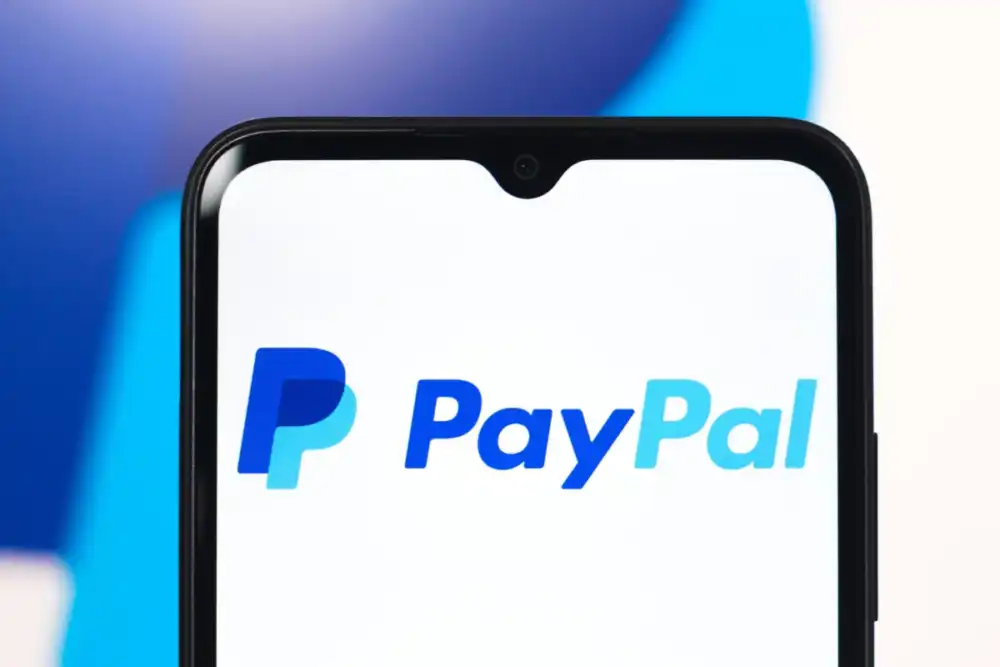
The financial technology sector witnessed a dramatic recalibration of market expectations this week as shares of PayPal Holdings Inc. surged nearly 7% following reports that Stripe, the privately held payments juggernaut, is exploring a potential acquisition of its long-standing rival. The news, which first emerged via reports citing individuals familiar with the preliminary discussions, suggests that Stripe is evaluating an offer that could encompass the entirety of PayPal or specific high-value segments of its sprawling global operations. While both companies have officially declined to comment on the speculation, the market’s reaction underscores a profound transition in the digital payments landscape: the aggressive ascent of a "cloud-native" challenger against the backdrop of a legacy pioneer struggling to reclaim its former dominance.
The timing of this potential consolidation is particularly striking given the divergent trajectories of the two entities. PayPal, once the undisputed king of online checkouts, has spent the last two years navigating a difficult transition period characterized by slowing user growth and intensifying competition from big tech entrants like Apple and Google. Since the beginning of 2026 alone, PayPal’s stock has retreated by more than 19%, a decline that follows a bruising 2025 in which the company shed approximately one-third of its total market capitalization. This persistent valuation slump has effectively painted a target on the company’s back, attracting the attention of both activist investors and strategic rivals who view the current price point as an attractive entry for a turnaround play or a structural absorption.
In contrast, Stripe appears to be operating from a position of unprecedented strength. On the same day the acquisition rumors began to circulate, Stripe confirmed a new valuation of $159 billion following a successful secondary stock sale intended to provide liquidity for employees and early shareholders. This figure represents a staggering leap from its $91.5 billion valuation just one year ago, signaling robust investor confidence in its diversified business model. Stripe’s evolution from a simple API for developers into a comprehensive financial operating system is evidenced by its recent business updates, which indicate that its non-payment revenue suite—including tax automation, billing, and fraud prevention—is on track to reach an annual run rate of $1 billion this year.
The potential marriage of these two giants would represent one of the most significant mergers in the history of the internet economy. To understand the strategic logic behind such a move, one must look at the complementary nature of their respective assets. Stripe has historically dominated the "merchant side" of the equation, providing the invisible plumbing for millions of businesses ranging from small startups to enterprises like Amazon and Shopify. However, it lacks a direct, consumer-facing relationship on the scale of PayPal’s digital wallet. PayPal, conversely, boasts a massive global footprint of over 400 million active consumer accounts and owns Venmo, the dominant peer-to-peer payment platform in the United States. By acquiring PayPal, Stripe could bridge the gap between merchant processing and consumer wallets, creating a closed-loop ecosystem that rivals the dominance of traditional credit card networks and "super-apps" like Alipay or WeChat Pay.
The internal leadership changes at PayPal further complicate the narrative. The company is currently on the cusp of a major transition, with Enrique Lores, the former CEO of HP Inc., slated to take the helm as Chief Executive Officer in early March. Lores was brought in to instill a sense of operational discipline and to leverage his experience in managing high-volume hardware and software ecosystems. However, the news of Stripe’s interest suggests that the board may be weighing the certainty of a sale against the long-term risks of a solo turnaround strategy under new leadership. Industry analysts suggest that PayPal’s core issue is not a lack of volume—it still processes trillions of dollars in transactions—but rather a compression of margins as its branded checkout button faces pressure from "one-click" alternatives and the commoditization of basic payment processing.

For Stripe, the acquisition of a public company while remaining private would be an unconventional but strategically bold maneuver. John Collison, Stripe’s co-founder and president, recently reiterated that the company is in no rush to pursue an Initial Public Offering (IPO). Collison has argued that the public markets often demand a level of short-term predictability that can stifle the aggressive product experimentation required to stay ahead in fintech. By utilizing its $159 billion private valuation as a currency or leveraging its significant cash reserves, Stripe could theoretically absorb PayPal’s assets without the immediate scrutiny of quarterly earnings calls for the combined entity, provided it can navigate the complex regulatory hurdles such a deal would inevitably trigger.
The economic implications of such a merger extend far beyond the stock prices of the two companies. A Stripe-PayPal combination would create a behemoth with unparalleled data insights into global consumer spending patterns. In the age of artificial intelligence, this data is the ultimate commodity. Stripe has already begun integrating AI into its checkout flows and fraud detection systems; applying these sophisticated machine learning models to PayPal’s vast historical data set could unlock billions in found value through improved authorization rates and reduced chargebacks. Furthermore, the acquisition would likely accelerate the consolidation of the fintech sector, forcing other players like Adyen, Block (formerly Square), and traditional merchant acquirers like Fiserv to reconsider their own defensive strategies.
However, the path to a completed deal is fraught with obstacles, most notably the current global regulatory climate. Antitrust authorities in the United States and the European Union have become increasingly skeptical of "killer acquisitions" and deals that consolidate market power in the hands of a few tech giants. A merger of the world’s leading private payment processor and its most recognizable public counterpart would undoubtedly face intense scrutiny. Regulators would likely express concerns over whether a combined Stripe-PayPal would stifle competition in the online checkout space or lead to higher fees for small and medium-sized enterprises (SMEs) that rely on these platforms to survive.
From a global perspective, the potential deal highlights a broader trend of "fintech maturation." The era of "growth at any cost," fueled by zero-interest-rate policies, has ended. In its place is a new reality where scale, profitability, and ecosystem depth are the primary drivers of survival. PayPal’s struggles are emblematic of the first generation of dot-com successes that found themselves bogged down by legacy code and shifting consumer habits. Stripe, born in the mobile and cloud era, represents the second generation that is now moving to consolidate the industry.
As the market waits for further confirmation of these discussions, the broader economic context remains volatile. Inflationary pressures and shifting interest rate expectations continue to influence consumer spending, which is the lifeblood of both companies. If Stripe does move forward with an acquisition, it will be betting that its superior technology stack can extract more value from PayPal’s aging infrastructure than PayPal could on its own. It would be a gamble of historic proportions—one that could either cement Stripe as the definitive backbone of the 21st-century economy or serve as a cautionary tale of the risks inherent in trying to "fix" a legacy giant.
In the immediate term, the 7% jump in PayPal’s stock serves as a temporary reprieve for embattled shareholders, but it also signals a loss of confidence in the company’s ability to remain independent. For the broader tech industry, the message is clear: the boundaries between "startups" and "incumbents" are blurring. When a private company is valued at nearly $160 billion and begins eyeing the acquisition of an S&P 500 stalwart, the traditional rules of corporate finance and market hierarchy are officially being rewritten. Whether this specific deal comes to fruition or not, the "Stripe-PayPal" narrative has already succeeded in resetting the conversation around the future of money, moving it away from mere transaction processing and toward the total integration of global commerce.