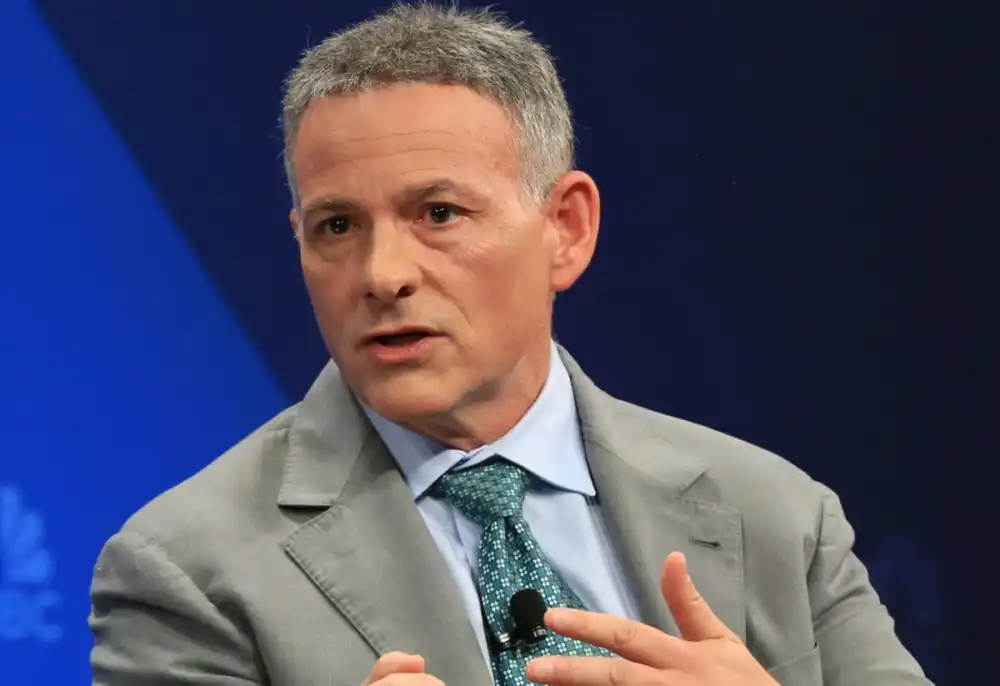
In the complex ecosystem of global macroeconomics, few figures command as much attention for their contrarian convictions as David Einhorn. The founder of Greenlight Capital, who famously built his reputation by anticipating the collapse of Lehman Brothers in 2008, is once again signaling a profound shift in the financial landscape. His latest thesis centers on a conviction that the Federal Reserve is poised to embark on a far more aggressive interest rate-cutting cycle than Wall Street currently anticipates—a move that he believes will serve as a powerful catalyst for gold’s continued ascent as the world’s premier reserve asset.
While the broader market has been recalibrating its expectations following a surprisingly robust January jobs report, Einhorn remains undeterred. The prevailing narrative suggests that a "hot" labor market provides the Federal Reserve with the "higher-for-longer" leeway necessary to fully extinguish the embers of inflation. However, Einhorn views this interpretation as a fundamental misreading of the incoming central bank leadership and the structural shifts occurring within the American economy. To Einhorn, the strength of the economy is not a barrier to easing; rather, it is the backdrop against which a new Fed regime will attempt to redefine monetary success.
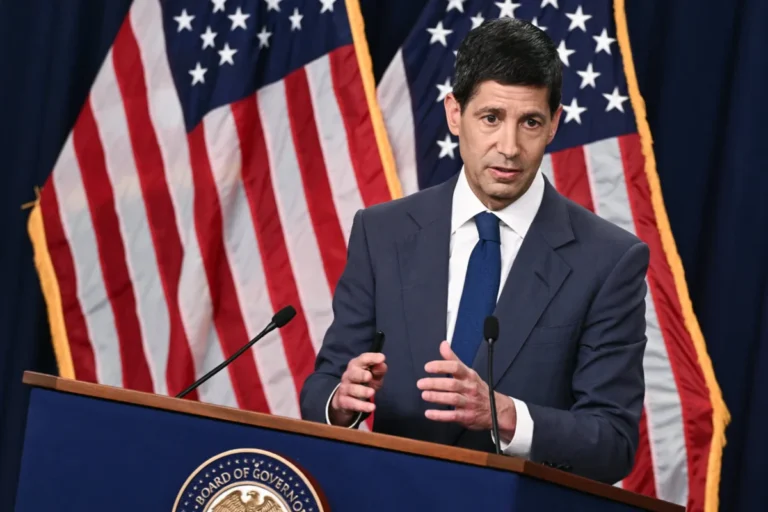
Central to Einhorn’s outlook is the anticipated transition of power at the Federal Reserve. President Donald Trump’s selection of Kevin Warsh to succeed Jerome Powell as Fed Chair represents more than a change in personnel; it signals a potential paradigm shift in how the central bank views its mandate. Einhorn posits that Warsh will be a persuasive force within the Federal Open Market Committee (FOMC), advocating for rate reductions even if traditional metrics like employment remain strong. The logic, according to Einhorn, will likely hinge on "productivity." The argument follows that if technological advancements and labor efficiencies are driving growth, the economy can sustain lower interest rates without triggering a wage-price spiral.
This "productivity defense" allows for a more dovish tilt than the current futures market suggests. At present, the CME FedWatch Tool indicates that traders are pricing in an approximately 88% probability of at least two quarter-percentage-point cuts by the end of the year. Einhorn, however, characterizes these expectations as conservative, suggesting that the actual number of cuts could be "substantially more." This divergence between market pricing and Einhorn’s forecast creates a high-stakes environment for fixed-income investors and macro-strategists alike.
The implications of such an aggressive pivot extend far beyond the bond market. For Einhorn, the primary beneficiary of a more accommodative Fed—particularly one operating under perceived political influence—is gold. The yellow metal has undergone a remarkable transformation over the last two years, evolving from a stagnant inflation hedge into a dynamic vehicle for sovereign wealth protection. Since the beginning of 2024, gold prices have surged by more than 120%, including a staggering 60% rise in 2025 alone. Even after a brief sell-off following the announcement of Warsh’s nomination—a dip attributed to a momentary relief that Fed independence might be preserved—gold has resumed its upward trajectory, gaining over 17% in the early months of this year.
Einhorn’s "big bet" on gold is not merely a play on interest rate differentials; it is a structural critique of the current global monetary order. He argues that gold is increasingly reclaiming its status as the ultimate "reserve asset," a role traditionally occupied by the U.S. dollar and Treasury securities. This shift is being driven by a growing unease among global central banks regarding the stability and neutrality of U.S. trade and fiscal policy. As the U.S. increasingly utilizes its currency as a tool for geopolitical leverage—through sanctions and aggressive tariff regimes—other nations are seeking to settle trade in alternative mediums.

The data supports this trend of de-dollarization. Central bank gold buying reached historic highs in 2023 and 2024, led by emerging market powerhouses like China, India, and Turkey. These institutions are not just looking for a hedge against inflation; they are seeking an asset that carries no counterparty risk and cannot be "turned off" by a foreign government. Einhorn notes that the current relationship between U.S. fiscal policy (characterized by trillion-dollar deficits) and monetary policy (tasked with controlling the resulting inflation) has reached a point of logical incoherence. This fiscal-monetary mismatch creates a "debasement" risk that makes hard assets like gold increasingly attractive relative to fiat currencies.
The volatility of the U.S. dollar further reinforces this thesis. Recently, the greenback experienced its sharpest one-day decline since April 2025 after President Trump signaled a lack of concern regarding the currency’s weakness. A weaker dollar is often viewed as a boon for U.S. manufacturing and exports, but it also erodes the purchasing power of dollar-denominated assets held abroad. Einhorn points out that the alternatives are hardly more appealing; he characterizes other major developed currencies, such as the Euro and the Yen, as being in positions that are "as bad or worse" than the dollar. This "race to the bottom" among fiat currencies leaves gold as the last man standing in the search for a stable store of value.
Beyond gold, Einhorn is expressing his conviction through the futures market, specifically by going long on Secured Overnight Financing Rate (SOFR) futures. SOFR, which replaced LIBOR as the benchmark interest rate for dollar-denominated derivatives and loans, serves as a direct proxy for the Fed’s policy path. By betting on SOFR futures, Einhorn is effectively wagering that short-term interest rates will fall faster and further than the consensus expects. He describes this as "one of the best trades out there right now," as it captures the delta between the Fed’s current restrictive stance and the eventual, inevitable easing cycle he foresees.
The economic impact of the scenario Einhorn describes is profound. If the Fed cuts rates "substantially more" than twice in a year where the economy is still "running hot," it could lead to a significant loosening of financial conditions. This might provide a short-term boost to equity markets and real estate, but it also risks reigniting inflationary pressures if the "productivity" gains Warsh anticipates fail to materialize. Furthermore, a central bank that appears to be cutting rates to satisfy political objectives or to ease the government’s debt-servicing burden risks a long-term loss of credibility.
The U.S. national debt, now exceeding $34 trillion, represents a critical backdrop to this discussion. As interest rates rose over the past two years, the cost of servicing that debt skyrocketed, becoming one of the largest line items in the federal budget. There is a growing school of thought that the Federal Reserve may eventually be forced into a policy of "financial repression"—keeping interest rates below the rate of inflation—to help inflate away the real value of the debt. Einhorn’s gold position is, in many ways, an insurance policy against this specific outcome.
As the global economy grapples with fragmented trade blocks, shifting geopolitical alliances, and a fundamental rethinking of central bank independence, David Einhorn’s strategy reflects a "regime change" in investment thinking. The era of low volatility and predictable central bank behavior appears to be concluding. In its place is a more turbulent period where fiscal dominance dictates monetary policy, and where the "barbarous relic" of gold once again finds itself at the center of the financial universe.
Whether Einhorn’s forecast of aggressive cuts proves accurate will depend on the interplay between the new Fed leadership and a complex array of economic data points. However, his underlying message is clear: the traditional safeguards of the fiat system are fraying. By betting big on gold and positioning for a rapid decline in rates, Greenlight Capital is preparing for a world where the dollar’s supremacy is no longer a given, and where the only certainty is the return of hard assets as the ultimate arbiter of value. For investors, the takeaway is a sobering one: the path forward may be paved with more than just paper, and those who ignore the golden signals of the market do so at their own peril.