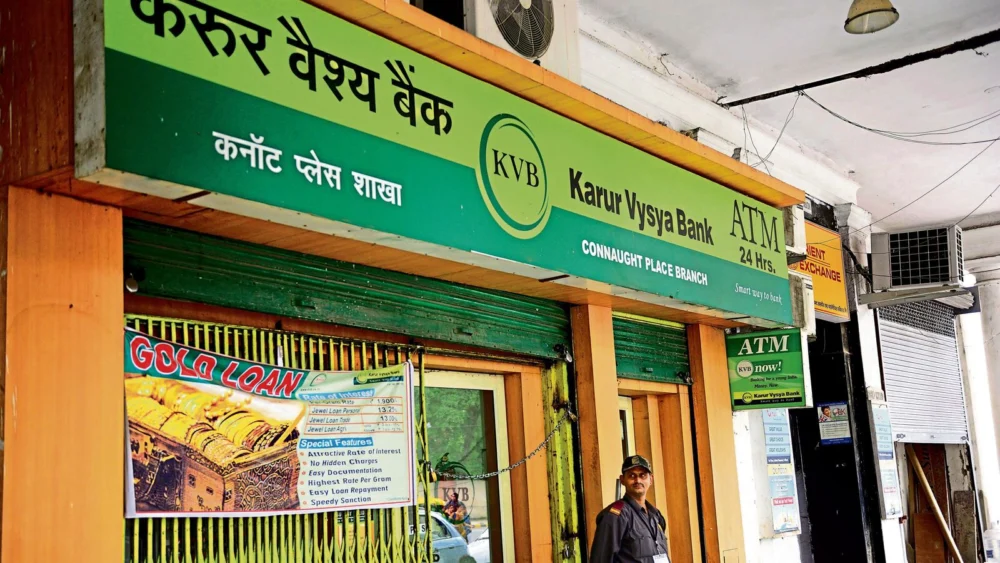
As India’s financial landscape continues its rapid evolution, the operational status of its vast banking network on weekends, particularly Saturdays, remains a point of both routine planning and significant economic implication. On Saturday, February 7th, for instance, a large segment of India’s commercial banks, including major players like State Bank of India (SBI), HDFC Bank, and ICICI Bank, were fully operational. This seemingly straightforward fact underscores a distinctive policy framework set forth by the Reserve Bank of India (RBI) that intricately balances traditional branch-based services with the accelerating push towards digital financial inclusion. The specific working arrangement for Saturdays, where banks remain open on the first, third, and fifth Saturdays of a month while observing closures on the second and fourth, is a cornerstone of this policy, alongside the universal closure on all Sundays and designated national and regional holidays.
The RBI’s phased approach to Saturday banking, formally implemented in 2015, marked a significant shift in the operational rhythm of India’s financial institutions. Prior to this, banks operated for a half-day on all Saturdays. The change was introduced to provide employees with better work-life balance, reduce operational overheads associated with limited weekend transactions, and subtly encourage the adoption of digital banking channels. This policy decision was not merely an administrative tweak but a strategic move reflecting broader trends in the global banking sector towards digitisation and automation. While it offered relief to banking staff, it simultaneously necessitated a recalibration of customer expectations and service delivery models.
The economic ramifications of this structured weekend closure system are multifaceted. For small and medium-sized enterprises (SMEs) and businesses in the informal sector, which often rely on physical branches for daily cash deposits, withdrawals, and various transactional needs, the alternate Saturday closures can present logistical challenges. Many small businesses operate on thin margins and require immediate access to banking services to manage their cash flows effectively. While digital alternatives exist, a significant portion of these businesses, especially in semi-urban and rural areas, may still prefer or necessitate face-to-face interactions for complex transactions, loan applications, or resolving discrepancies. The accessibility of banking services directly impacts commercial activity, influencing everything from vendor payments to consumer spending patterns.
Conversely, the emphasis on alternate Saturday closures has been a powerful catalyst for the widespread adoption of digital banking solutions. India’s digital payment infrastructure, particularly the Unified Payments Interface (UPI), has witnessed an exponential surge, processing billions of transactions monthly, valued at trillions of rupees. Services like National Electronic Funds Transfer (NEFT), Immediate Payment Service (IMPS), and Real-Time Gross Settlement (RTGS) ensure that interbank fund transfers are available 24/7, even on bank holidays. Automated Teller Machines (ATMs) remain fully functional for cash withdrawals and other basic services. This robust digital ecosystem mitigates much of the inconvenience caused by physical branch closures, empowering individuals and businesses to conduct financial transactions anytime, anywhere.

From a global perspective, India’s weekend banking policy presents an interesting contrast. In many developed economies, physical bank branches often have significantly reduced hours on Saturdays, or are closed entirely, with a strong reliance on online banking, mobile apps, and ATMs for routine transactions. For instance, in the United States and Europe, while some bank branches might offer limited Saturday services, Sunday closures are standard, and digital platforms are the primary mode of interaction for most customers. Emerging markets, on the other hand, often display a greater variation, sometimes maintaining more extensive physical branch hours to cater to populations with lower digital literacy or limited access to internet infrastructure. India’s model, therefore, represents a hybrid approach, acknowledging the necessity of physical access for a substantial part of its population while aggressively promoting digital alternatives.
The RBI’s role extends far beyond merely setting holiday schedules. As the central bank, its mandate encompasses monetary policy, financial stability, currency management, and the overall supervision of the banking system. The holiday calendar, while seemingly a minor detail, is part of a broader regulatory framework designed to ensure the smooth functioning of the financial sector. The decision to observe specific holidays—national holidays like Independence Day and Gandhi Jayanti are uniformly observed, while religious and regional festivals vary by state—reflects the nation’s diverse cultural fabric. These regional variations, however, add a layer of complexity for businesses and individuals operating across state lines, often requiring them to consult the specific holiday calendar for their respective regions.
Looking ahead, the trajectory of banking services in India suggests a continued evolution towards a more "phygital" model—a blend of physical and digital. While the digital push will undoubtedly intensify, physical branches are unlikely to become obsolete entirely. They will likely transform into hubs for more complex financial advisory, wealth management, and relationship-based banking, rather than purely transactional centres. This evolution will further influence the RBI’s holiday policies, potentially leading to adjustments in response to changing customer behaviours and technological advancements. The balance between providing essential physical access, ensuring employee welfare, and driving digital adoption will remain a critical consideration for policymakers and bank managements alike.
In essence, the operational status of Indian banks on any given Saturday, such as February 7th, is a microcosm of the larger strategic shifts occurring within the nation’s financial sector. It highlights India’s unique path in navigating the complexities of financial inclusion in a vast and diverse economy. The RBI’s measured approach, balancing traditional branch operations with the imperative of digital transformation, ensures that the banking system remains resilient, accessible, and poised for future growth, even as the ways people interact with their money continue to rapidly change. The journey is one of continuous adaptation, driven by technological innovation and evolving customer expectations, all within a regulatory framework designed to foster stability and growth.