As the world navigates the twin forces of climate change and an accelerating green energy transition in 2025, the global economic landscape is undergoing a profound recalibration. The traditional dominance of oil as the primary driver of geopolitical power is increasingly being challenged by the ascendance of seemingly disparate commodities: copper and cocoa. Both have experienced dramatic price fluctuations and supply chain disruptions, signaling a broader shift towards essential raw materials and natural resources as the new arbiters of global influence. Copper, indispensable for electrification, and cocoa, a cornerstone of global food supply chains, are emerging as dual bellwethers of a changing world order, highlighting a new geography of power where strategic assets are increasingly concentrated in the Global South.
The surge in copper prices, climbing over 20 percent year-to-date in 2025, is a direct consequence of mounting demand and persistent supply constraints. Its critical role in the energy transition – powering electric vehicles, solar panels, wind turbines, and essential grid infrastructure – has cemented its status as a vital component of decarbonization strategies. Furthermore, the exponential growth of data centers, fueled by the artificial intelligence boom, has dramatically increased copper consumption for cooling systems, internal connectivity, and power management. The International Energy Agency (IEA) projects a substantial rise in copper demand, potentially reaching 31.3 million tonnes by 2030, a significant jump from approximately 24.9 million tonnes in 2021.
"China’s massive grid expansion and urban development have been the single largest recent driver of copper demand," notes António Alvarenga, Professor of Strategy and Entrepreneurship at Nova School of Business and Economics. "Continued Chinese industrial stimulus and infrastructure spending are therefore key factors underpinning copper prices." However, this escalating demand is colliding with a sluggish supply response. Mine output has seen only modest annual growth of one to two percent, and the development of new projects is a protracted affair, typically taking 15 to 17 years from inception to full production.
The geographical concentration of copper reserves further exacerbates supply concerns and reshapes geopolitical dynamics. Key producing nations include Zambia and the Democratic Republic of Congo in Africa, and Chile and Peru in Latin America’s famed copper belt. "This concentration of resources is quietly reshaping global alliances, as countries compete to secure long-term access, much like the oil geopolitics of the 20th century," observes Sunil Kansal, head of Consulting and Valuation Services at Shasat Consulting. This reliance on a limited number of producing regions makes the global copper market highly susceptible to localized disruptions. Recent incidents, such as a fatal accident at Chile’s El Teniente mine in July 2025 and a flooding event and roof collapse at the Komoa-Kakula copper mine in the DRC in April, led to significant production halts and price spikes.
Compounding these issues are the challenges of aging mines and chronic underinvestment. "Many of the world’s major copper mines are aging, and the average copper content (ore grade) is declining, meaning that more rock must be processed to extract the same amount of copper," explains Franck Bekaert, senior emerging markets analyst at Gimme Credit. "Additionally, permit delays and ecological constraints are hindering the launch of new projects, which is driving up costs. To meet the growing demand for copper, significant investments will be required." Political instability, including worker strikes and environmental protests, alongside governance issues such as rising corruption in major producing countries, further contribute to supply volatility. Consequently, copper inventories have reached record lows, even as demand for green infrastructure in the US and EU continues to soar. The scarcity of copper is fast becoming a structural risk to global economic growth, mirroring the oil shocks of previous decades.
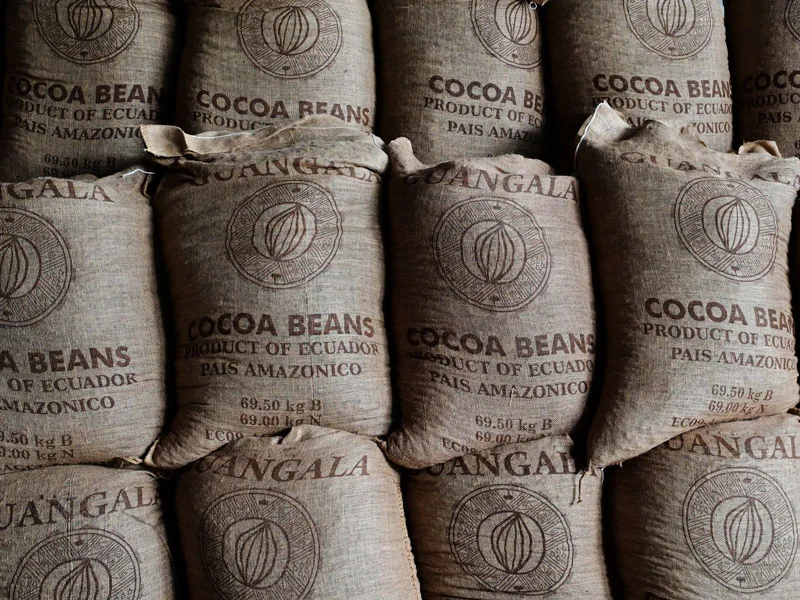
In parallel, the cocoa market has experienced extreme volatility, even touching record highs in early 2025 before a significant price correction. A substantial global deficit of nearly 500,000 tonnes in the 2023-24 season pushed inventories to multi-decade lows, sending futures prices above $10,000 per tonne at their peak. This dramatic surge was largely attributed to climate shocks, particularly the El Niño weather pattern, which brought unusually heavy rainfall followed by intense heat and drought across key cocoa-producing nations like Ghana and Ivory Coast. Cocoa cultivation is highly sensitive to environmental conditions, thriving only in specific equatorial climates, with West Africa accounting for approximately 70 percent of global production. Extreme temperatures not only reduce cocoa yields but also exacerbate crop diseases such as swollen shoot virus and brown rot, further diminishing both quantity and quality.
Adding to the supply challenges are the aging cocoa trees prevalent in West Africa. These older trees often suffer from decreased soil fertility, making them more susceptible to pests and diseases, and consequently, yield capacity is severely hampered. Farmers face significant financial burdens in replanting and rehabilitating their farms, but consistently low incomes make these crucial investments difficult to sustain, perpetuating a vicious cycle of declining productivity and poverty.
"Cocoa demand has grown steadily. Western holiday consumption and an expanding middle class in Asia/Africa support baseline demand," notes Alvarenga. "However, extremely high prices can dampen consumption: in 2025 European and Asian cocoa grindings fell as manufacturers faced higher costs." The factors affecting cocoa extend beyond consumer prices for chocolate and related products, pointing to a systemic crisis in agricultural supply chains characterized by climate volatility, soil degradation, and widespread farmer poverty. As much of the crop is still produced by smallholder farmers, cocoa is intrinsically linked to social issues such as food insecurity, migration, and income inequality, placing it at the forefront of debates on ethical sourcing and fair trade. Despite recent price pullbacks, the underlying structural issues driving cocoa’s volatility remain unresolved.
The concentration of both copper and cocoa supply in a few key regions is fundamentally reshaping geopolitical alignments and fostering new trade tensions. Consumers are increasingly seeking to diversify their supply sources to mitigate risks. Copper, as a strategic metal vital for national decarbonization goals and burgeoning high-tech industries like AI, is experiencing a heightened geopolitical focus. Major copper consumers such as the United States and the European Union are actively pursuing new suppliers to spread supply risks.
"The US launched a section 232 national security investigation into copper and China has pivoted away from Chile by sourcing more from DRC, Russia and Zambia," highlights Alvarenga. "These moves have created new alignments – such as China deepening ties with African producers, Western nations seeking alternative mines or stockpiles." This strategic maneuvering and positioning eerily echoes past resource conflicts over oil, forging new alliances between industrial powers and resource-rich nations. "As with oil, these relationships can lead to trade frictions, resource nationalism, and competition for influence. For investors, this concentration magnifies geopolitical risk but also signals long-term strategic value," states Edward Nikulin, a weather model expert at Mind Money.
In the cocoa market, governments in Ghana and Ivory Coast wield considerable supply influence through export regulations and price-setting mechanisms, functioning akin to a producer bloc similar to OPEC. "We are seeing the emergence of coordinated action by Ghana and the Ivory Coast to demand fairer terms, echoing the resource diplomacy once seen in oil markets," says Kansal. This coordinated effort includes the "Living Income Differential" (LID), a surcharge on export prices designed to ensure a larger share of cocoa income reaches farmers, aiming to improve living standards and combat issues like child labor, poverty, and deforestation.
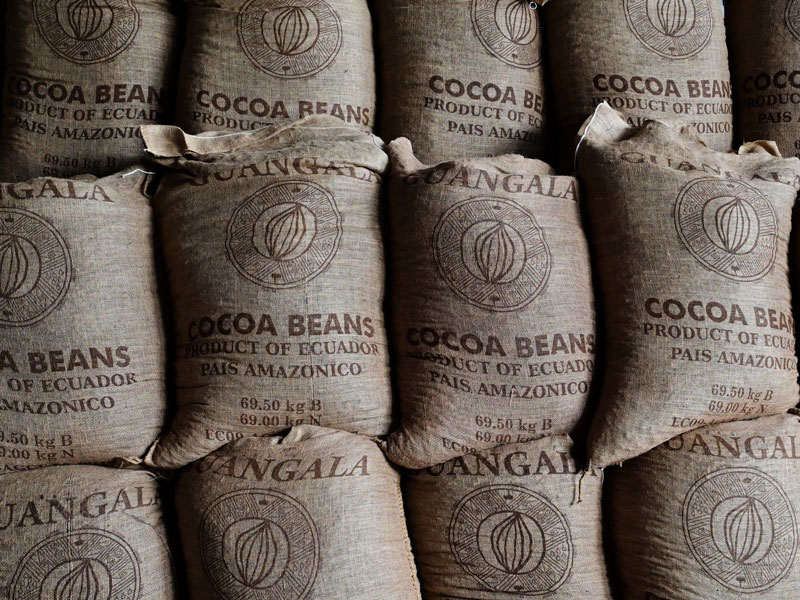
"The joint $400/ton ‘Living Income Differential’ set a de-facto floor under farmgate economics, while EU deforestation rules (EUDR) are forcing farm-level traceability (GPS coordinates, plot IDs) and reshaping trade flows toward compliant suppliers," explains Martin-Rayo. "Expect more local processing in Abidjan and San-Pédro and more origin diversification to Ecuador/Brazil – a classic resource-security realignment."
Technological advancements are also playing a crucial role in modernizing both industries. Cocoa farming is increasingly adopting technologies such as satellite imagery, robotic pollination, ground sensors, and drones to monitor pests, growth rates, and soil moisture in real-time, aiming to stabilize yields. Similarly, major copper companies are prioritizing responsible production practices, addressing sustainability and labor concerns to attract a new generation of investors. "Over the past five years, copper and copper miners have significantly outpaced the S&P 500 and broad commodity indices," notes Alvarenga. "Dedicated copper ETFs and mining stocks have been popular. Upside for investors comes from expected supply deficits: pent-up demand from EVs/renewables could lift prices if new mine output lags." However, Alvarenga cautions that policy interventions, such as stockpiling and tariffs, pose risks that could disrupt copper flows.
While cocoa may be more volatile and speculative than copper, its systemic importance to food manufacturers and retailers is undeniable. The year 2025 marks the nascent stages of a post-oil resource era, where sustainable and ethically sourced commodities are poised to wield significant power. The "new oil" may be mined, grown, or digitally verifiable, rather than liquid. Both copper and cocoa represent a shift towards commodities that are scarce and economically resilient in an increasingly fragmented world, with investors demanding a delicate balance between transparency, accountability, and robust growth.