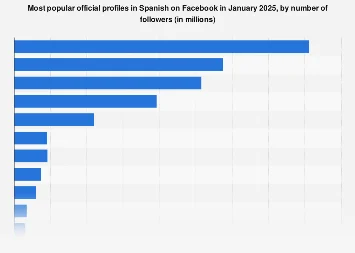
As the digital landscape continues its relentless evolution, understanding the power players on social media platforms is crucial for businesses, marketers, and policymakers alike. In Spain, the Facebook ecosystem remains a significant arena for brand visibility, consumer engagement, and cultural influence. By 2025, data analysis points to a clear hierarchy of digital entities commanding the largest audiences on the platform within the Iberian nation. These top-tier pages, often representing established media outlets, major retail brands, or influential cultural figures, underscore the enduring appeal of Facebook as a primary channel for information dissemination and community building, even amidst the proliferation of newer social networks.
The dominance of certain types of pages in Spain’s 2025 Facebook rankings offers a compelling snapshot of national interests and media consumption habits. Leading the pack are typically news organizations and broadcasters, whose broad appeal and constant stream of timely content ensure sustained engagement. These entities leverage Facebook not only to share headlines and breaking news but also to foster discussion and provide deeper context, transforming their pages into dynamic digital town squares. Their success is a testament to the platform’s utility in delivering information to a vast and diverse Spanish audience, making them indispensable hubs for staying informed.
Beyond traditional media, prominent consumer brands also secure significant followings. These companies, ranging from fast-moving consumer goods to automotive manufacturers and telecommunications providers, utilize their Facebook pages as vital extensions of their marketing strategies. They employ a multi-faceted approach, sharing product updates, running targeted advertising campaigns, engaging with customer queries, and even hosting exclusive content or contests to cultivate brand loyalty. The sheer volume of followers these brands amass highlights their deep penetration into the Spanish consumer consciousness and their adeptness at translating offline brand recognition into online community.
Furthermore, the influence of entertainment and cultural entities cannot be understated. Pages dedicated to popular television shows, music artists, sporting leagues, and prominent social media personalities consistently rank among the most followed. These pages tap into shared passions and cultural trends, creating spaces where fans can connect with their idols and with each other. The ability of these pages to foster a sense of belonging and shared experience is a powerful driver of engagement, demonstrating Facebook’s role in shaping and reflecting contemporary Spanish culture.
Analyzing the composition of these leading pages reveals key demographic and psychographic insights. The prevalence of news outlets suggests a Spanish population that values staying informed, while the strong performance of consumer brands indicates a robust and engaged marketplace. The significant presence of entertainment and cultural pages points to a society that actively participates in and consumes popular culture. This data is invaluable for businesses looking to tailor their outreach strategies, ensuring they connect with the right audiences through the most effective channels.
The economic implications of these large Facebook followings are substantial. For brands, a substantial follower count translates into a direct pipeline to a significant segment of the Spanish consumer base. This allows for cost-effective marketing and advertising, as well as the opportunity to gather valuable consumer feedback through comments and interactions. A page with millions of followers can become a powerful engine for driving sales, building brand equity, and fostering long-term customer relationships. The return on investment for a well-managed Facebook presence, particularly for large brands, can be exceptionally high.
From a broader economic perspective, the digital advertising market in Spain is heavily influenced by the reach and engagement metrics of platforms like Facebook. The ability of these top pages to attract and retain large audiences makes them prime real estate for advertisers seeking to maximize their campaign effectiveness. This concentration of attention can lead to significant advertising revenue for the platform and, by extension, for the businesses that effectively utilize it. Moreover, the insights gleaned from follower demographics and engagement patterns can inform product development and market research, contributing to overall economic dynamism.
Globally, Spain’s Facebook landscape shares similarities with other mature digital markets. In many developed economies, established media organizations, major multinational corporations, and high-profile entertainment figures tend to dominate social media followings. However, specific cultural nuances and market dynamics shape the exact composition of these rankings. For instance, the strong presence of football clubs in Spain’s social media sphere, a reflection of the sport’s immense popularity, is a characteristic that might differ in countries where other sports or cultural phenomena hold greater sway.
The continued relevance of Facebook, even as newer platforms emerge, can be attributed to its versatility and its deep integration into the daily lives of many users. For older demographics, Facebook often remains the primary social networking tool, offering a familiar interface for connecting with friends, family, and news sources. For businesses, its robust advertising tools, analytics capabilities, and broad user base continue to make it an indispensable component of any digital marketing strategy. This broad appeal ensures that pages with the most followers can exert considerable influence.
The data for 2025 also suggests that authenticity and consistent engagement are key to maintaining and growing a large following. Pages that actively respond to comments, share diverse content formats (including video and live streams), and foster a sense of community are more likely to retain their audience’s attention. In an era of information overload, the ability to cut through the noise and provide genuine value to followers is paramount. This necessitates a strategic approach that goes beyond simply posting content; it requires active community management and a deep understanding of audience needs and preferences.
Looking ahead, the dynamics of Facebook’s most followed pages in Spain will likely continue to evolve. While established players may maintain their dominance, emerging influencers, niche communities, and innovative content creators could challenge the status quo. The platform itself is also subject to change, with algorithm updates and new features potentially reshaping how content is discovered and consumed. Businesses and organizations will need to remain agile and adaptable, continuously monitoring trends and adjusting their strategies to ensure they remain visible and relevant in this ever-changing digital environment. The 2025 rankings serve as a valuable benchmark, but the future will undoubtedly bring new leaders and new forms of digital influence.