The second-hand market has transcended its origins in charity shops and flea markets to emerge as a formidable force in global retail, undergoing a dramatic transformation into a sophisticated, technology-driven sector. This burgeoning recommerce landscape, fueled by discerning consumers who prioritize both value and environmental responsibility, is a tangible manifestation of the circular economy in action. It’s a paradigm shift where products are meticulously designed, actively utilized, and repeatedly repurposed, thereby extending their functional lifespan and diminishing the prevalence of waste. From the catwalks of high fashion to the intricate components of consumer electronics, the acquisition of pre-owned items has firmly cemented its place as a mainstream consumer behavior, fundamentally reshaping perceptions of ownership and consumption patterns for individuals and businesses alike. For online marketplaces and astute investors, this seismic shift presents a wealth of lucrative opportunities, while simultaneously introducing novel complexities as they navigate an increasingly dynamic and advanced resale ecosystem.
A comprehensive analysis by Retail Economics and MPB, titled "Second-Hand, First Choice: The Psychology of Recommerce," estimates the global recommerce market (excluding automobiles) to be valued at approximately $220 billion. This figure is poised for substantial expansion, with projections indicating growth of nearly 80 percent by 2028 across key markets in the United States, the United Kingdom, France, and Germany. While the prevailing economic climate, characterized by escalating living costs, has undeniably heightened consumer sensitivity to price points, the impetus behind this boom extends far beyond mere cost savings. It is indicative of a profound cultural and generational recalibration. Younger demographics, particularly Millennials and Generation Z, are increasingly eschewing the ephemeral allure of fast fashion and disposable technology in favor of goods that resonate with their personal identity and ethical convictions. The act of purchasing second-hand has evolved into a deliberate lifestyle statement, a conscious choice to engage in purposeful consumption and articulate individuality.
The environmental dividends of the resale movement are equally compelling. Each pre-owned item acquired represents a direct contribution to extending the lifecycle of an existing product, thereby mitigating the demand for new manufacturing processes and significantly reducing associated carbon emissions. For consumers aspiring to adopt a more conscientious lifestyle, the resale market offers an accessible and rewarding avenue through which to champion a more responsible and less wasteful global economy.
The Professionalization and Technological Integration of Resale
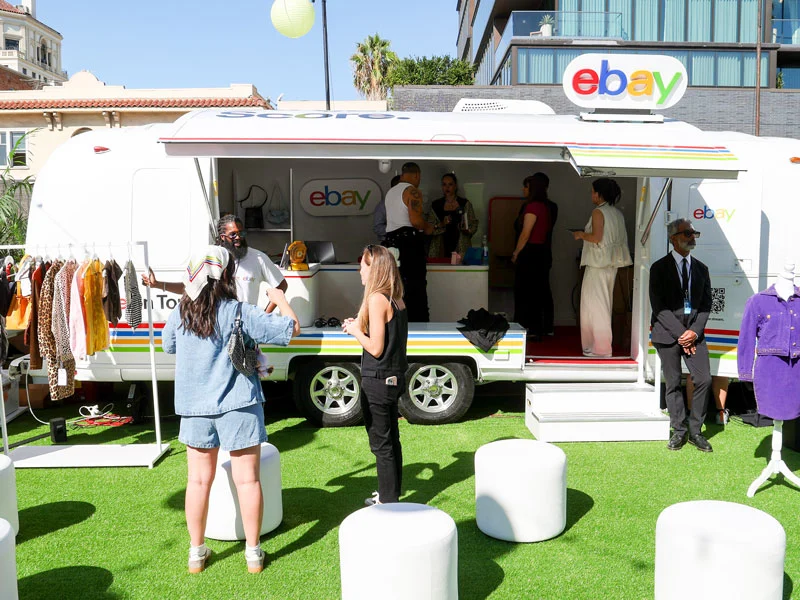
Contemporary recommerce platforms are characterized by their polished user interfaces and advanced technological capabilities, seamlessly blending convenience with a robust framework of trust. Platforms such as Depop have revolutionized the fashion resale sector by ingeniously integrating social media-style discovery mechanisms with e-commerce functionalities. Concurrently, Vestiaire Collective has cultivated a distinguished reputation for its rigorous authentication of luxury fashion items. Market leaders like Vinted, ThredUp, and eBay have also bolstered their offerings with expanded certified pre-owned programs, further entrenching the resale model within the broader retail landscape.
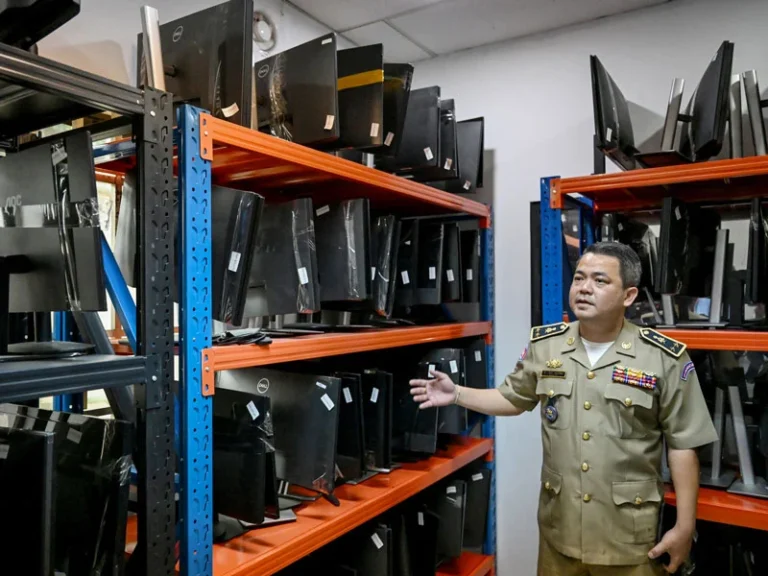
At the vanguard of this transformative wave is technology, but it is the strategic application of these innovations that truly distinguishes the sector. Artificial intelligence (AI) is now instrumental in assisting consumers in pinpointing precisely what they seek, offering personalized recommendations, suggesting equitable pricing, and curating highly individualized shopping experiences. Sophisticated logistics networks have streamlined the buying and selling processes, incorporating integrated systems that efficiently manage shipping, returns, and reverse supply chains. Many platforms further enhance credibility through the deployment of expert authentication teams or even blockchain-based verification systems to confirm the provenance of high-value merchandise. Collectively, these technological advancements have effectively dismantled many of the barriers and uncertainties that once characterized the second-hand shopping experience, imbuing the resale market with the same level of professionalism and polish as its traditional retail counterparts.
For investors, the ascendancy of the resale and circular economy represents a clear and compelling market opportunity with significant long-term value realization potential. The sector’s appeal is amplified by its dual advantages of robust growth prospects and strong Environmental, Social, and Governance (ESG) credentials. Venture capital and private equity firms are increasingly channeling investment into businesses that champion product longevity through refurbishment and repair models, which not only yield healthy financial returns but also actively contribute to sustainability objectives. The investment rationale is straightforward: as natural resources become increasingly scarce and regulatory frameworks governing waste and emissions become more stringent, circular business models are strategically positioned to outperform. The sector’s inherent resilience during periods of economic downturn, largely attributable to sustained consumer demand for value-driven options, adds another layer of stability, rendering recommerce and refurbishment an uncommon yet highly attractive blend of defensive and growth investment characteristics.
Investment capital is now being strategically directed towards scalable, technology-centric platforms that optimize circularity across diverse industries, including fashion, electronics, and furniture. For investors, supporting these innovative companies offers a pathway to future-proof their portfolios against evolving consumer expectations and escalating regulatory pressures. The circular economy is demonstrably proving that profitability and corporate responsibility are not mutually exclusive, a compelling equation that the global financial community is increasingly eager to embrace and capitalize upon.
Established Retailers Reimagining Ownership Models
For established retailers, the recommerce revolution presents a dual challenge and opportunity. Traditional linear business models—characterized by a cycle of selling, discarding, and repeating—are finding themselves increasingly at odds with evolving consumer expectations and mounting ESG imperatives. In response to this paradigm shift, a growing number of brands are proactively integrating resale and repair services directly into their operational frameworks.
Iconic initiatives such as Patagonia’s Worn Wear program, IKEA’s buy-back schemes, and the certified pre-owned collections from luxury houses like Gucci and Burberry are all indicative of a decisive movement towards more circular retail practices. These endeavors not only extend the lifespan of products but also unlock new and substantial revenue streams. By facilitating resale within their proprietary ecosystems, brands can exert greater control over product quality and capture residual value that would otherwise have dissipated into third-party marketplaces. This strategic approach also empowers retailers to demonstrate tangible progress toward their sustainability objectives, a factor that holds significant weight with both investors and consumers.
Despite its impressive growth trajectory, the ultimate success of the resale sector is inextricably linked to the establishment of unwavering trust. The persistent threat of counterfeit goods and fraudulent misrepresentation remains a significant challenge, particularly within the high-value segments of luxury items and consumer electronics. Consequently, the platforms poised for enduring success will be those that make substantial and ongoing investments in robust authentication and verification processes.
AI-powered algorithms capable of detecting subtle anomalies in product imagery, immutable blockchain-based provenance records, and highly trained specialist teams dedicated to the meticulous inspection and certification of goods prior to listing are rapidly evolving into industry benchmarks. These stringent measures serve not only to safeguard consumers but also to preserve and enhance the reputations of brands venturing into the pre-owned market. The integration of insurance solutions complements this comprehensive framework by providing crucial financial protection against the risks of counterfeiting, misrepresentation, or product defects.
Consumers are actively seeking assurance that their purchases, whether they be refurbished electronics, coveted luxury handbags, or unique vintage furniture, are adequately protected. Insurers are responding by developing bespoke products tailored to these specific needs, offering coverage against risks such as authenticity concerns, inaccurate product descriptions, or functional impairments.
Forward-thinking companies like Bolttech, Cover Genius, and Embri are collaborating closely with marketplaces and retailers to embed insurance solutions seamlessly at the point of sale, thereby ensuring effortless accessibility to coverage. Platforms such as Oyster are integrating comprehensive protection plans directly into their online checkout processes, guaranteeing that buyers receive essential reassurance without encountering any undue complexity or inconvenience. By providing this vital safety net, insurers play a pivotal role in legitimizing the resale sector, thereby emboldening consumers to confidently acquire higher-value items. For marketplaces, the proactive offering of embedded insurance has emerged as a critical differentiator, fostering trust and enhancing their competitive standing by providing invaluable peace of mind to their user base.
In the United Kingdom, Back Market offers comprehensive coverage for refurbished mobile devices against potential damage. Katy Medlock, its General Manager, articulates the company’s philosophy: "While the refurbished tech movement is gaining considerable traction in the UK, a significant portion of the population still perceives pre-loved gadgets as inherently risky. Our insurance provision is an integral component of our ongoing commitment to customer satisfaction, and we are optimistic that this will instill greater confidence in our customers, assuring them that their refurbished device is fully covered and empowering them to transition from purchasing something ‘new’ to embracing something that is ‘like new’."
The Sustainability Imperative in Resale
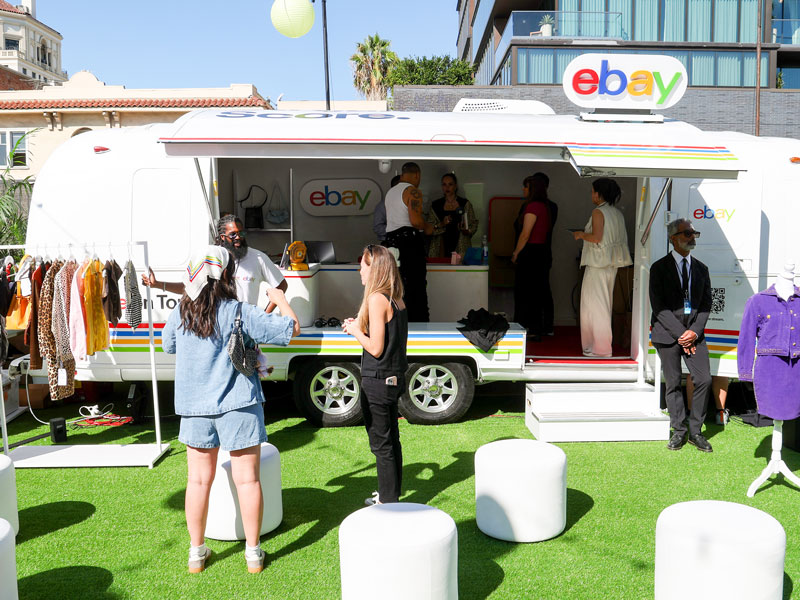
The environmental benefits inherent in the resale of goods are unequivocally substantial. By extending the operational life of products, the imperative for new manufacturing is diminished, thereby conserving precious raw materials and significantly curtailing carbon emissions. The impact is particularly pronounced in industries characterized by intensive resource consumption, such as fashion, which is estimated to contribute approximately 10 percent of global emissions, and electronics, where production necessitates considerable energy expenditure and the extraction of valuable minerals. The act of purchasing a refurbished smartphone or laptop, for instance, effectively bypasses the carbon footprint associated with the manufacturing of a brand-new unit, a compelling advantage that strongly resonates with climate-conscious consumers.
However, the notion of sustainability within the resale market is not inherently guaranteed. The emergent trend of "fast resale," characterized by the rapid turnover of second-hand goods driven by fleeting trends and pervasive social media influence, can inadvertently foster excessive consumption rather than genuinely displace new purchases. In such scenarios, the potential environmental benefits may be diluted. True sustainability is predicated upon the meticulous quality of refurbishment processes and the implementation of systems that prioritize genuine reuse over premature replacement. The most ethically minded participants in the sector are actively addressing this challenge by investing in transparent supply chains and optimizing logistics for minimal carbon impact. Their ongoing challenge lies in ensuring that the circular economy remains authentically circular, rather than morphing into a novel manifestation of rapid consumption cloaked in greener branding.
As the resale sector continues its ascent to become a major global industry, regulatory scrutiny is an inevitable consequence. Discrepancies in warranty regulations and return policies across different international markets can create consumer confusion and impede cross-border trade. A concerted move towards greater standardization would undoubtedly benefit both consumers and platforms, simplifying compliance procedures and fostering enhanced trust. Another significant hurdle lies within the realm of logistics. The complexities and associated costs of managing returns and restocking are substantial. The development of highly efficient reverse supply chains, capable of collecting and redistributing products at scale, is paramount to maintaining operational profitability. The entities that will ultimately triumph in this competitive arena will be those that master operational efficiency with the same adeptness as they engage consumers.
From Fleeting Trend to Enduring Norm
The discernible trajectory of the resale market strongly indicates a continued acceleration in its growth and influence. The increasing consumer awareness regarding sustainability and the escalating sophistication of technological capabilities are converging to render second-hand acquisitions not only acceptable but highly desirable. For online marketplaces, the overarching opportunity lies in achieving responsible scalability: harmonizing convenience with credibility, and aligning profit motives with a genuine sense of purpose. For established retailers, the critical challenge is to deeply embed circularity as a fundamental and structural component of their overarching business models.
Those entities that successfully navigate this transformative landscape will redefine the very essence of ownership, transitioning products from disposable commodities into enduring assets capable of fulfilling multiple lifecycles. The future of consumption will not be defined by an incessant cycle of replacement but rather by a continuous process of renewal and revitalization. The compelling ascent of the resale market unequivocally demonstrates that extending the lifespan of products is not only environmentally responsible but also economically advantageous.
With clothing resale sales reaching an impressive $197 billion last year and projections indicating a surge to $350 billion by 2028, alongside the multi-billion-dollar valuations attained by refurbished technology platforms, the sheer scale of the economic impact is undeniable. Beyond these impressive figures lies a more profound shift: a fundamental reimagining of the consumer economy that places a premium on longevity over disposability and purpose alongside profitability. Companies that recognize and proactively adapt to this paradigm-altering transformation are poised to define the next significant wave of retail innovation and success.