The global economic landscape is undergoing a profound transformation, with commodities traditionally considered niche or regional players now assuming roles of immense strategic importance, mirroring the geopolitical influence once wielded by oil. As the world grapples with the dual challenges of climate change and an accelerating green energy transition, copper and cocoa have emerged as unlikely but powerful arbiters of economic stability and international relations. This shift signifies a broader recalibration of global power dynamics, moving away from fossil fuels towards critical raw materials and agricultural staples that underpin both technological advancement and fundamental human needs.
Copper, the indispensable metal of electrification, has seen its price surge by over 20% in the early part of 2025, a trajectory fueled by a confluence of factors including persistent supply constraints, the insatiable demand for green infrastructure, and the burgeoning requirements of the digital economy, particularly data centers. Simultaneously, cocoa has experienced unprecedented price volatility, reaching record highs earlier this year before undergoing a sharp, nearly 50% decline. These dramatic price swings, primarily attributed to severe climate shocks impacting key West African growing regions, underscore the commodity’s newfound systemic importance. Together, the narratives of copper and cocoa illustrate a seismic geopolitical realignment, where influence is increasingly derived from control over essential resources rather than hydrocarbon reserves.
Copper’s central role in the global decarbonization effort cannot be overstated. Its exceptional conductivity and durability make it a fundamental component in virtually every aspect of the energy transition. Electric vehicles, solar panels, wind turbines, hydropower infrastructure, and the modernization of electricity grids all rely heavily on copper. The exponential growth of artificial intelligence and the associated proliferation of data centers have further amplified demand. These facilities, with their complex cooling systems, intricate internal wiring, and substantial power distribution networks, are voracious consumers of copper. The International Energy Agency (IEA) projects a significant increase in copper demand, anticipating it could reach 31.3 million tonnes by 2030, a substantial leap from the approximately 24.9 million tonnes consumed in 2021.
However, the supply side of the copper equation presents a significant challenge. Mine output has been growing at a modest rate of only one to two percent annually, a pace that falls far short of the accelerating demand. Compounding this scarcity is the exceptionally long lead time required for new copper projects to come online, typically spanning 15 to 17 years from conception to production. This prolonged development cycle means that any immediate response to price signals or demand surges is inherently limited.
The geographical concentration of copper reserves and production further amplifies its strategic significance. Zambia and the Democratic Republic of Congo (DRC) in Africa, along with the “Copperbelt” region of Latin America, encompassing Chile and Peru, are the world’s primary sources. This concentration of resources has begun to subtly reshape global alliances, as nations scramble to secure long-term access to this vital metal, echoing the resource diplomacy and geopolitical rivalries that characterized the 20th century’s oil-centric world. Any disruption in these key producing nations, whether due to accidents, political instability, or labor disputes, can have immediate and profound ripple effects on global supply and prices. Recent incidents, such as a fatal accident at Chile’s El Teniente mine and a flooding event at the Komoa-Kakula mine in the DRC, have led to significant production halts and underscored the fragility of the current supply chain.
Furthermore, many of the world’s major copper mines are aging, and the average ore grade – the concentration of copper in the rock – is declining. This necessitates the processing of greater volumes of material to extract the same amount of copper, increasing operational costs and environmental impact. The process of developing new mines is also hampered by lengthy permitting delays, stringent environmental regulations, and the rising costs associated with exploration and extraction. Political instability, including worker strikes, environmental protests, and governance issues such as corruption, further exacerbate supply concerns. The current low levels of global copper inventories, even as demand for green infrastructure in the US and EU continues to soar, highlight the structural risks copper scarcity poses to sustained global economic growth.
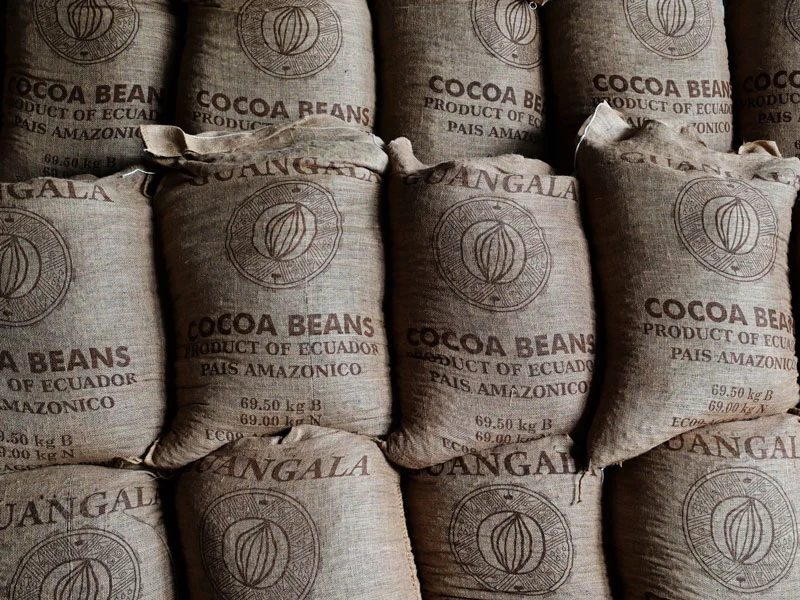
The narrative surrounding cocoa, while seemingly distant from the technological demands of the green transition, carries its own potent geopolitical and economic weight, particularly in relation to food security and ethical supply chains. West Africa, specifically Ivory Coast and Ghana, accounts for approximately 70% of the world’s cocoa production. This regional concentration means that climate-related disruptions in these countries can trigger global shocks, leading to a phenomenon described as cocoa’s own “oil moment.” In early 2025, a projected deficit of nearly 500,000 tonnes for the 2023-24 season pushed futures prices above $10,000 per tonne.
The primary driver of this deficit was the El Niño weather pattern, which brought about erratic and extreme weather conditions, including excessive rainfall followed by prolonged dry spells, across the key cocoa-growing regions. Cocoa plants are highly sensitive to temperature and humidity fluctuations, thriving only in specific equatorial climates. These temperature extremes not only reduced crop yields but also increased the incidence of diseases such as swollen shoot virus and brown rot, further diminishing both the quantity and quality of the harvest. The issue is compounded by an aging cocoa tree population in West Africa. Older trees naturally produce less, are more susceptible to pests and diseases, and contribute to soil degradation, leading to a vicious cycle of declining productivity and persistently low incomes for farmers.
Despite robust underlying demand, driven by Western holiday consumption and a growing middle class in Asia and Africa, the soaring prices have begun to dampen consumption. European and Asian cocoa grinding figures have reportedly fallen as manufacturers struggle with the increased cost of raw materials. The challenges facing the cocoa sector extend beyond price fluctuations; they represent a systemic crisis in agricultural supply chains characterized by climate volatility, soil degradation, and widespread farmer poverty. With a significant portion of the crop still managed by smallholder farmers, cocoa is intrinsically linked to social issues such as food insecurity, forced migration, and income inequality, placing it at the heart of debates around ethical sourcing and fair trade. Even as prices experience some retraction, the fundamental structural issues driving this volatility remain unresolved.
The concentration of both copper and cocoa supply in a limited number of regions has profound implications for international trade and geopolitical strategy. As nations increasingly seek to mitigate supply chain and security risks, a diversification of sourcing has become a paramount objective. Copper, as a critical enabler of decarbonization and advanced technologies, is now a cornerstone of national industrial strategies. The intensifying demand from AI and other cutting-edge sectors, all of which require substantial electrical power, solidifies copper’s status as a pivotal resource. Major copper consumers, including the United States and the European Union, are actively exploring avenues to broaden their supplier base.
This strategic imperative has led to significant geopolitical maneuvering. The U.S. has initiated national security investigations into copper supply chains, while China has shifted its sourcing strategies, increasing imports from the DRC, Russia, and Zambia, and reducing reliance on Chile. These realignments are fostering new alliances, with China deepening its engagement with African producers and Western nations seeking alternative mines and strategic stockpiles. This dynamic mirrors the historical resource competition over oil, creating new partnerships between industrial powers and resource-rich nations. Such relationships, however, also carry the potential for trade friction, resource nationalism, and competition for geopolitical influence. For investors, this concentration of resources presents amplified geopolitical risk alongside the prospect of significant long-term strategic value.
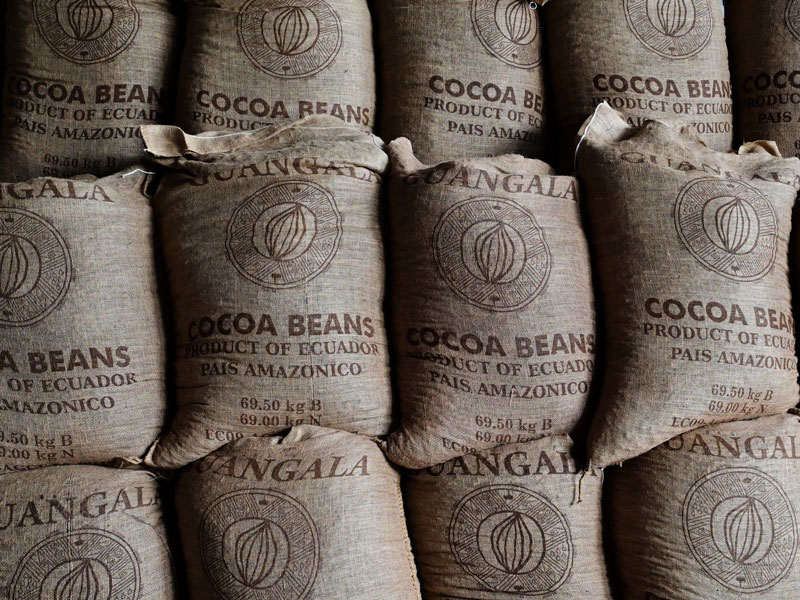
In the cocoa market, the governments of Ghana and Ivory Coast wield considerable influence through export regulations and price-setting mechanisms, acting in a manner reminiscent of oil-producing cartels like OPEC. The introduction of a joint “Living Income Differential” (LID) of $400 per tonne by these two nations has established a de facto floor for farmgate prices, aiming to ensure that a greater portion of the revenue reaches farmers and improves their living standards, thereby combating child labor, poverty, and deforestation.
The EU’s Deforestation Regulation (EUDR) is further reshaping trade flows by mandating farm-level traceability, pushing supply chains towards compliant suppliers. This is likely to spur increased local processing in cocoa-producing nations and encourage diversification of sourcing to countries like Ecuador and Brazil, representing a classic realignment driven by resource security concerns.
Technological advancements are also playing a crucial role in enhancing the stability and economic importance of both commodities. In cocoa farming, innovations such as satellite imagery, robotic pollination, ground sensors, and drones are enabling real-time monitoring of pests, growth rates, and soil moisture in large plantations, contributing to more stable yields. Similarly, major copper companies are increasingly focusing on responsible production practices, addressing sustainability and labor concerns to attract investment. Copper and copper mining stocks have significantly outperformed broader market indices over the past five years, driven by anticipated supply deficits and robust demand from the electric vehicle and renewable energy sectors.
However, the specter of policy interventions, such as stockpiling and tariffs, remains a potential disruptor for copper flows. While cocoa exhibits greater volatility and speculative characteristics than copper, its newfound systemic importance for food manufacturers and retailers signals a fundamental shift. The year 2025 marks the dawn of a “post-oil” resource era, where sustainable and ethically produced commodities are poised to command significant influence. The “new oil” may be extracted from the earth, cultivated on farms, or verified through digital means, rather than being a liquid fuel. Both copper and cocoa represent a pivot towards the commodities of the future – scarce, economically resilient, and increasingly central to global power in an era of fragmentation and evolving demands, where investors seek a delicate balance between transparency, accountability, and growth.