


India’s digital economy is experiencing a profound transformation, driven by unprecedented internet penetration and a burgeoning middle class with growing disposable income. At the heart of this shift lies the rapid convergence of entertainment and commerce, giving rise to "content commerce"—a dynamic ecosystem where passive viewership is actively converting into tangible purchases. This paradigm shift is not merely an evolution of advertising but a fundamental redefinition of consumer engagement, blurring the lines between watching, discovering, and buying, particularly within the nation’s vibrant streaming sector, which now serves hundreds of millions of users across myriad platforms.
The evolution of content commerce in India is unfolding along two distinct yet interconnected pathways, each tailored to different consumption habits and platform dynamics. On one hand, creator-led platforms like YouTube leverage an established model rooted in authenticity and trust. Viewers often gravitate to these platforms seeking opinions, detailed reviews, and recommendations from personalities they follow, making the integration of product shelves, affiliate links, and live shopping features a natural extension of the content experience. This model capitalizes on the burgeoning influencer economy, where creators, ranging from micro-influencers to macro-celebrities, directly impact purchasing decisions. For instance, data indicates that approximately 88% of shoppers in India consider YouTube crucial for both product research and decision-making, while a remarkable 85% of surveyed viewers express trust in the product opinions offered by YouTube creators. This trust translates directly into commercial opportunities, as eligible creators can tag products in their videos, Shorts, and livestreams, earning commissions from sales, thereby transforming their creative output into a direct revenue stream beyond traditional ad revenue.
Conversely, Over-The-Top (OTT) streaming services operate within a "lean-back" environment, where viewers are typically deeply immersed in long-form narratives such as films, series, or live sporting events. The challenge here is to integrate commerce seamlessly without disrupting the viewer’s journey or immersion. Platforms are increasingly experimenting with subtle yet powerful commercial integrations, making advertising more contextual and interactive. This includes the deployment of QR-enabled creatives, dynamic messaging that adapts to live signals like sports scores or specific content events, and even in-show product placements that offer immediate purchase options. A notable example is JioHotstar’s ‘Shop the Look’ initiative, launched with fashion brand NEWME during shows like Splitsvilla, which allowed viewers to browse and purchase fashion items inspired by the on-screen talent without leaving the platform. Similarly, during events like the IPL or digital film premieres, JioHotstar has partnered with quick commerce services like Swiggy Instamart, enabling audiences to instantly order snacks, bridging the gap between desire and fulfillment in real-time.
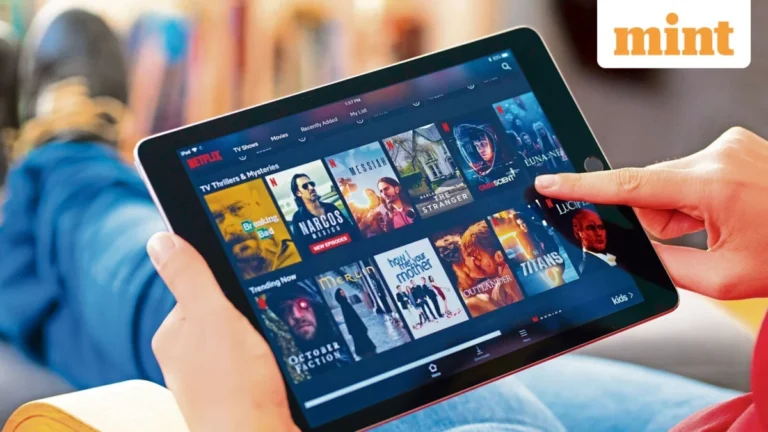
The strategic imperative for platforms to diversify revenue streams beyond subscriptions and traditional advertising is evident. While India’s OTT market continues its aggressive expansion, subscriber acquisition costs are rising, and competition is intensifying. Content commerce offers a compelling new monetization avenue. Phanimohan Kalagara, CTO at Gracenote (Nielsen’s content intelligence unit), highlights that content commerce is an emerging revenue stream for OTT platforms, which currently rely heavily on subscriptions and advertising. This shift is also mirrored in cross-platform loyalty programs, such as the partnership between Flipkart and Netflix, which allows Flipkart Plus members to earn a Netflix Mobile Plan through their regular shopping, effectively bundling entertainment benefits with e-commerce engagement. This not only enhances customer loyalty for both entities but also fosters a broader ecosystem where consumer activity across different digital touchpoints is rewarded and monetized.

The technological infrastructure underpinning this evolution is rapidly advancing. Connected TV (CTV) advertising, in particular, is witnessing significant growth, with India’s CTV advertising market estimated at ₹2,300–₹2,500 crore. This reflects a palpable shift of advertising budgets towards digital video platforms. Within this burgeoning market, advanced interactive formats—including shoppable advertisements, QR-enabled experiences, and deep content-commerce integrations—currently constitute a nascent but growing share, contributing approximately 5%–10% of total CTV advertising expenditure. This figure is projected to rise sharply as smart TV penetration increases and platforms refine their interactive capabilities. Chandrashekhar Mantha, Partner and Media and Entertainment Sector Leader at Deloitte India, underscores this trend, noting that these formats are transforming passive viewing into interactive shopping experiences across premium mobile devices and CTVs, which are increasingly becoming central to household entertainment.
Despite the immense potential, the content commerce ecosystem in India faces significant hurdles, primarily concerning attribution. Connecting a viewer’s exposure to content with an eventual purchase across multiple devices and platforms presents a complex challenge. Vishal Agrahari, VP of Paid Media at BC Web Wise, articulates this difficulty: "Someone pauses a show, scans a QR code, and finishes the purchase on a different app minutes later—three separate hops, hard to track cleanly, harder still with privacy rules tightening every year." Rajni Daswani, Chief Growth Officer at SoCheers, echoes this, noting that viewers often discover products on one screen but complete the purchase on another, making attribution intricate and shifting the focus from mere impressions to demonstrable conversion rates. Measuring success requires a sophisticated blend of signals, including engagement with interactive features, click-throughs, conversions, and purchase completion. As data privacy regulations evolve globally and domestically, platforms will need to innovate further in their measurement methodologies, potentially leveraging first-party data strategies and advanced analytics to create a clearer picture of the consumer journey.
For creators, however, the value proposition of content commerce is already robust and increasingly clear. The creator economy in India is experiencing exponential growth, empowering individuals to build personal brands and monetize their audience directly. Platforms like YouTube have facilitated this by providing tools for creators to integrate commerce. The earnings for creators vary significantly, influenced by brand- or retailer-set affiliate commissions, individually negotiated branded campaign fees, and, increasingly, the launch of their own product lines. This latter trend, as highlighted by Saurabh Sankpal, an independent creative and strategic consultant, positions commerce as the "third pillar" for creators, alongside ad revenue and brand deals. He posits that "creators who own their own storefront will out-earn creators who only rent reach," signaling a future where creators evolve into full-fledged entrepreneurs with greater ownership over their revenue streams and customer relationships, particularly prominent in categories like beauty.
Moreover, regional OTT platforms possess a unique and compelling advantage in this landscape. Their audiences are often united not just by language but by shared cultural moments, traditions, and local preferences. Arjit Sachdeva, co-founder of VDO.AI, emphasizes that this creates a powerful opportunity for brands to deliver commerce experiences that resonate far more deeply than generic national campaigns. By tapping into specific cultural nuances and local consumption patterns, regional platforms can facilitate hyper-localized content commerce strategies that foster stronger engagement and higher conversion rates, unlocking significant untapped market potential.
Looking ahead, the trajectory of content commerce in India points towards deeper integration, hyper-personalization, and a blurring of the lines between physical and digital retail. Artificial intelligence and machine learning will play an increasingly pivotal role in analyzing viewer preferences, predicting purchasing intent, and delivering highly relevant product recommendations in real-time. The potential for augmented reality (AR) and virtual reality (VR) integrations, allowing for virtual try-ons or immersive product explorations within the content environment, represents the next frontier. As India’s e-commerce market continues its rapid expansion, projected to cross $150-200 billion in the coming years, content commerce will serve as a critical accelerant, driving digital consumption and contributing substantially to the nation’s burgeoning digital economy. This evolving ecosystem will not only reshape how brands engage with consumers but also empower a new generation of creators and fundamentally redefine the value proposition of digital entertainment.