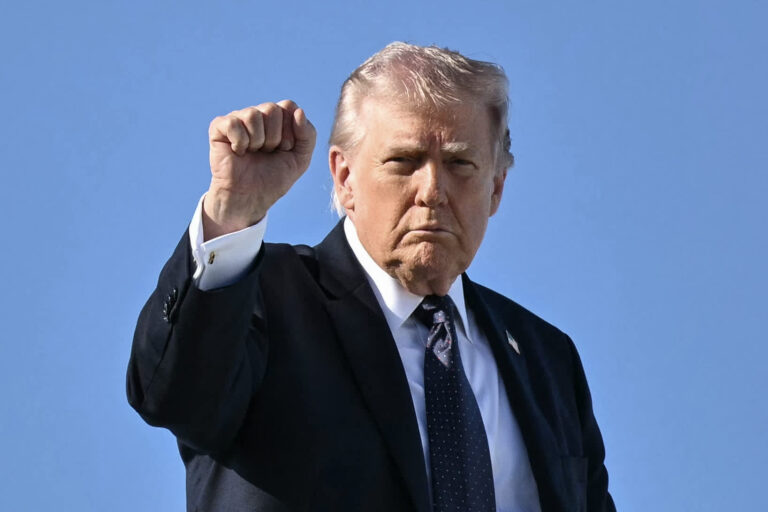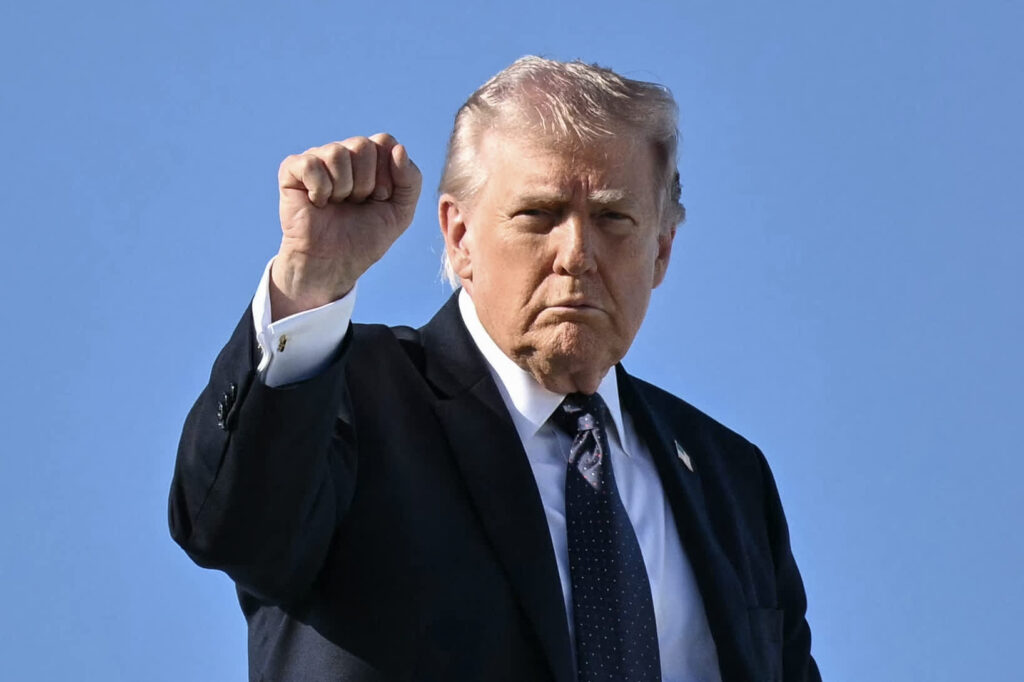


In a move that has sent shockwaves through the global financial corridors, President Donald Trump has decisively aligned himself with the burgeoning cryptocurrency sector, intensifying a trillion-dollar confrontation with the United States banking establishment. The dispute centers on the contentious issue of whether stablecoin issuers should be permitted to offer interest-like yields to their customers—a capability that traditional lenders argue could trigger a systemic migration of capital away from the commercial banking system. By publicly pressuring financial institutions to reach a "deal" with crypto firms, the administration has signaled a significant shift in the federal government’s approach to digital asset regulation, prioritizing market disruption over the traditional safeguards championed by Wall Street.
The presidential intervention was catalyzed by a late-Tuesday social media post that characterized the banking industry’s opposition as a threat to American innovation. The President specifically targeted the impasse surrounding the Clarity Act, a pivotal piece of legislation intended to establish a federal framework for regulated stablecoins. The Clarity Act serves as a necessary companion to the Genius Act, which was passed last year to provide the initial scaffolding for the digital asset economy. However, the progress of this legislative package has stalled in a Republican-led Congress, largely due to fierce lobbying from major financial institutions concerned about the erosion of their deposit bases.
The market reaction to the President’s stance was immediate and profound. Shares of Coinbase, the largest U.S.-based cryptocurrency exchange, surged by as much as 15% during midday trading on Wednesday. Conversely, the equity of banking titans like JPMorgan Chase and Bank of America saw modest declines, reflecting investor sentiment that the regulatory tide may be turning in favor of decentralized finance. This divergence in market performance highlights the high stakes of the "yield war," where the prize is nothing less than the future of how Americans store and grow their wealth.
At the heart of the conflict is a fundamental disagreement over the nature of money and the role of intermediaries. For crypto firms like Coinbase, offering yields on stablecoins—digital assets pegged to the value of the U.S. dollar—is viewed as a natural evolution of financial services. They argue that by passing on the interest earned from the underlying collateral (typically U.S. Treasury bills) to the end-user, they are providing a consumer-centric alternative to the historically low interest rates offered by traditional savings accounts. From this perspective, stablecoin yields are not a "loophole," but rather a democratization of the returns currently hoarded by institutional middlemen.
The banking sector, however, views this development through the lens of existential risk. Citing a comprehensive Treasury Department study, executives from JPMorgan Chase and Bank of America have warned that allowing stablecoins to offer yields could result in a staggering $6.6 trillion drain on bank deposits. This "liquidity migration" could have catastrophic consequences for the broader economy. Commercial banks rely on these deposits to fund loans for small businesses, mortgages, and consumer credit. A mass exodus of capital into the digital asset ecosystem would theoretically starve these sectors of funding, potentially leading to a credit crunch and higher borrowing costs for the average American.
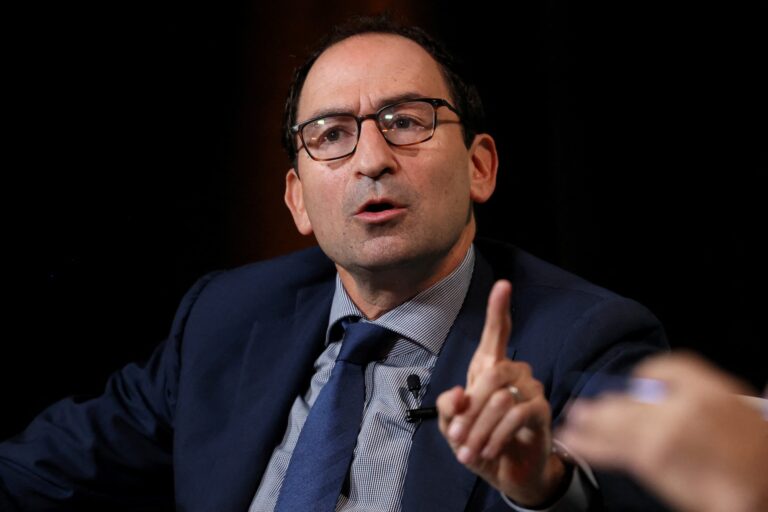
Jamie Dimon, CEO of JPMorgan Chase, has been among the most vocal critics of the proposed regulatory easing. In recent public statements, Dimon emphasized that the disparity in regulation between banks and crypto firms creates a dangerous "shadow banking" environment. His contention is that if crypto firms are allowed to act like banks by taking deposits and offering returns, they must be subject to the same rigorous capital requirements, stress testing, and consumer protection protocols as traditional lenders. Without a level playing field, Dimon warns, the public will ultimately bear the cost of the inevitable systemic failures that follow unregulated financial expansion.
The tension between the old guard and the new was personified in a recent reported confrontation at the World Economic Forum in Davos, Switzerland, where Dimon allegedly expressed his blunt disapproval to Coinbase CEO Brian Armstrong. Armstrong has emerged as the primary antagonist to the banking lobby, advocating for a regulatory framework that recognizes the unique technological advantages of blockchain-based finance. Just hours before the President’s public statement, Armstrong reportedly met with Trump at the White House, a meeting that many analysts believe was the catalyst for the administration’s sudden increase in pressure on the banking industry.
The President’s support for the crypto industry is not without its controversies. Critics have pointed to potential conflicts of interest, noting that the Trump family has significant ties to the digital asset space. Reports indicate that the family has generated substantial wealth through interests in firms like World Liberty Financial, a decentralized finance platform. This personal involvement in the industry has raised questions among ethics watchdogs and some members of Congress about whether the administration’s policy direction is being guided by national economic interest or private gain.
Beyond the domestic political fray, the battle over stablecoin yields has significant implications for the global standing of the U.S. dollar. As other jurisdictions, such as the European Union with its Markets in Crypto-Assets (MiCA) regulation and financial hubs like Singapore and Dubai, move to create clear rules for digital assets, the U.S. faces the risk of falling behind. Proponents of the Clarity Act argue that a well-regulated stablecoin market backed by U.S. Treasuries would actually strengthen the dollar’s dominance. By creating a digital version of the greenback that is easily accessible and yields a return, the U.S. could ensure that its currency remains the preferred medium of exchange in the burgeoning digital economy.
Furthermore, the crypto industry argues that stablecoins provide a critical service to the federal government by acting as a massive, decentralized buyer of U.S. sovereign debt. Stablecoin issuers are already among the largest holders of Treasury bills globally. Expanding the market by allowing yields would, in theory, increase the demand for these bills, helping to finance the national deficit and keep government borrowing costs lower than they might otherwise be. This symbiotic relationship between the digital asset sector and the Treasury Department is a nuance that the administration appears to be leveraging in its negotiations with recalcitrant banks.
However, the "systemic risk" argument remains the primary hurdle for the banking lobby. Smaller regional and community banks are particularly vulnerable to deposit flight. Unlike the "too big to fail" institutions, these smaller lenders do not have the diversified revenue streams or the massive capital buffers required to survive a sudden withdrawal of retail deposits. If the Clarity Act passes without significant concessions to the banking industry, the American heartland could see a consolidation of the banking sector, as smaller players are priced out of the market by digital competitors with lower overhead and higher yield offerings.
The President’s recent attempts to broker a compromise through a series of White House meetings have so far failed to produce a consensus. While both sides ostensibly want the Clarity Act to pass to provide legal certainty, the disagreement over yields remains an insurmountable "red line" for the banking industry. Earlier this year, the banks successfully fended off an administration attempt to cap credit card interest rates, proving they still wield significant influence within both parties. Whether the President’s explicit backing of the crypto sector will be enough to break this legislative deadlock remains to be seen.
As the debate moves back to the halls of Congress, the outcome will likely hinge on the ability of lawmakers to balance the desire for financial innovation with the need for institutional stability. The stakes could not be higher: the resolution of this conflict will determine the flow of trillions of dollars in liquidity and define the architecture of the American financial system for the next generation. For now, the "yield war" serves as a vivid illustration of a broader global trend: the traditional guardians of capital are increasingly finding themselves at odds with a political and technological movement that views "disruption" not as a risk to be managed, but as a goal to be achieved.