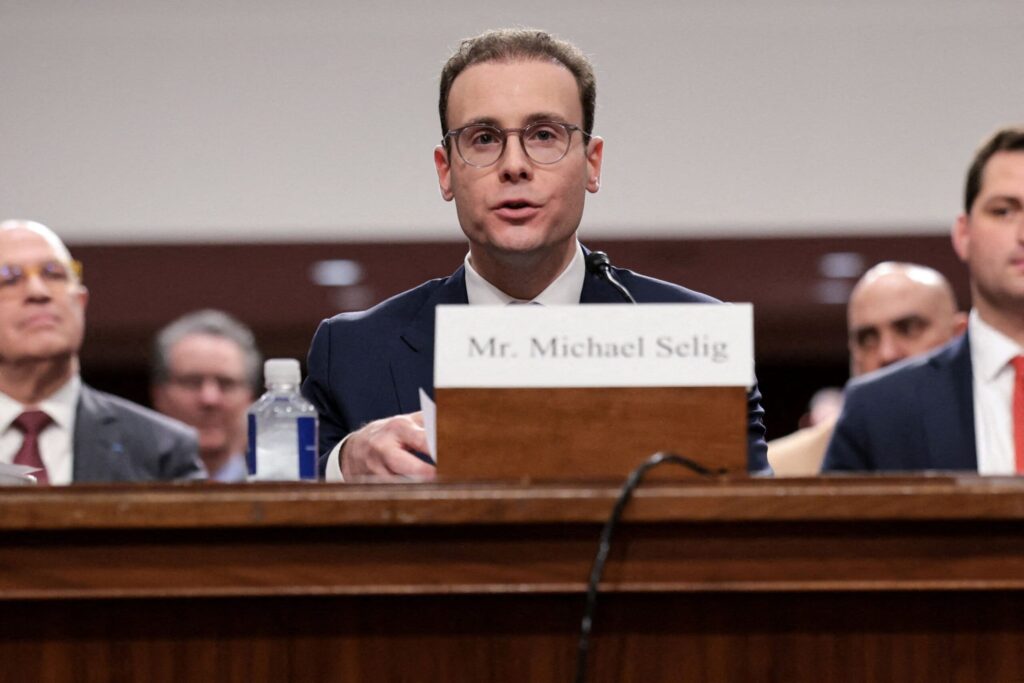


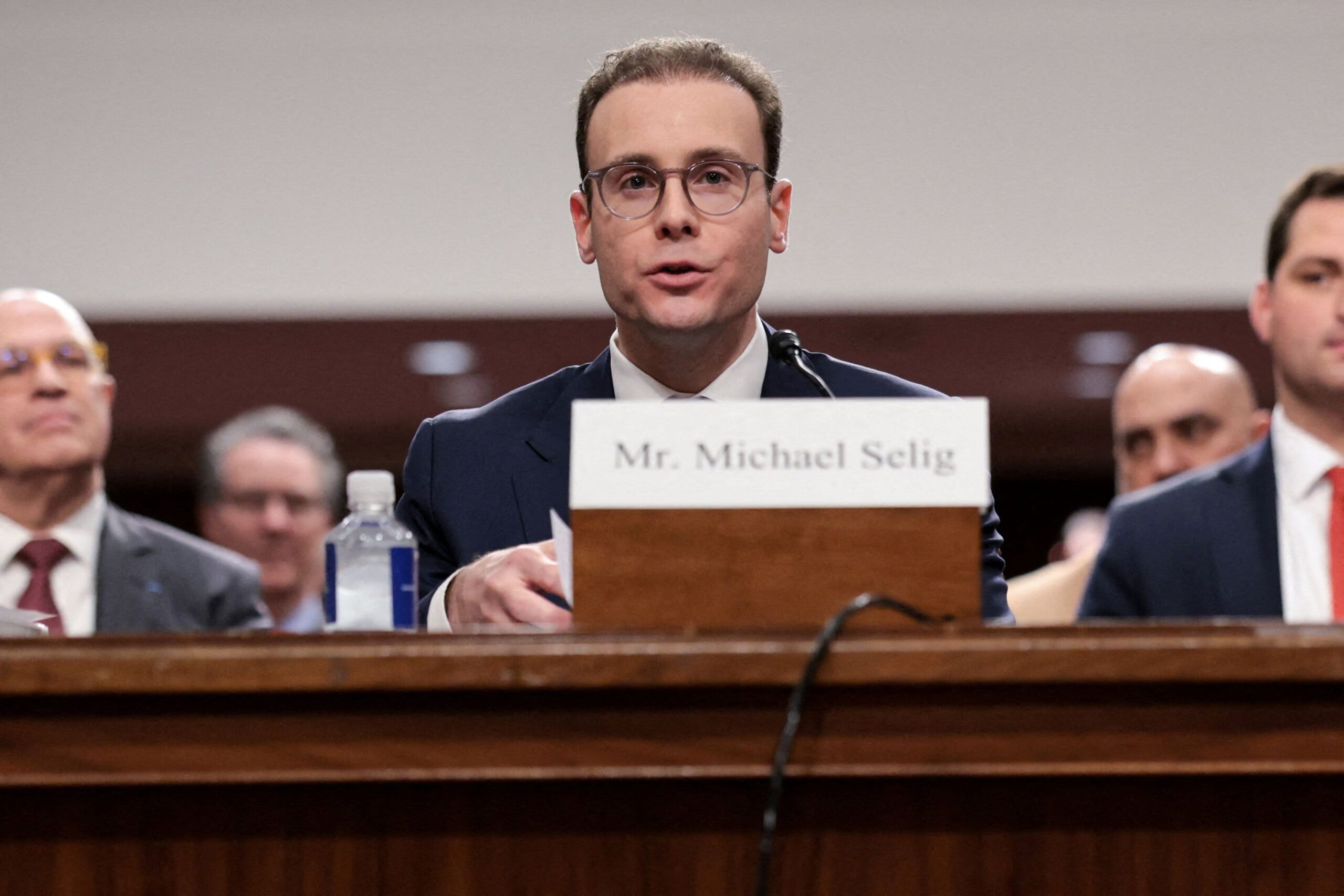
The Commodity Futures Trading Commission (CFTC) has launched a high-stakes legal offensive to assert its exclusive jurisdiction over the burgeoning prediction market industry, signaling a definitive shift in how the United States regulates the intersection of finance, data, and speculative forecasting. Under the leadership of Chairman Michael Selig, the agency has moved to intervene in a series of legal battles, most notably filing an amicus brief in the Ninth U.S. Circuit Court of Appeals. This intervention seeks to halt what Selig describes as "overzealous" encroachment by state governments into a domain the federal government considers its own. The move represents a watershed moment for financial technology, as it seeks to formally distinguish "event contracts" from traditional gambling, potentially unlocking a multi-billion-dollar asset class that has long operated in a legal gray area.
The catalyst for this federal-state showdown is a dispute involving Crypto.com and the Nevada Gaming Control Board, a case that has become a proxy for the broader fight over who controls the future of binary markets. For decades, the line between a derivative and a wager has been blurred, often leaving innovative platforms at the mercy of disparate state-level anti-gambling statutes. However, Chairman Selig’s recent public assertions, including a pointed op-ed and a direct warning to state regulators via social media, indicate that the CFTC is no longer content to let state courts dictate the terms of digital commerce. By asserting that event contracts serve a legitimate economic function as "swaps," the commission is attempting to provide a uniform federal framework that would preempt the patchwork of state regulations that currently threatens to stifle market growth.
Prediction markets, which allow users to trade on the outcomes of everything from political elections to Federal Reserve interest rate hikes and even entertainment awards, have seen an explosion in volume over the last several years. Platforms like Kalshi and Polymarket have demonstrated that these markets often provide more accurate real-time data than traditional polling or expert analysis. This "wisdom of the crowd" effect has turned prediction markets into valuable tools for corporate risk management and economic forecasting. Proponents argue that by allowing participants to put "skin in the game," these platforms filter out noise and incentivize the dissemination of accurate information. Yet, this very mechanism has drawn the ire of state regulators who view these activities as a digital evolution of sports betting, which falls under state-level gaming oversight.
The economic implications of this jurisdictional battle are profound. If the CFTC successfully establishes exclusive oversight, it would pave the way for institutional capital to enter the space with greater confidence. Currently, many hedge funds and institutional investors remain on the sidelines due to the "regulatory fragmentation" that characterizes the American market. A centralized regulatory regime under the CFTC would offer a level of "integrity, resilience, and vibrancy" that Selig argues is essential for the U.S. to maintain its lead in financial innovation. Market data suggests that the total addressable market for event-based derivatives could reach tens of billions of dollars annually if the legal cloud is lifted, comparable to the rapid growth seen in the legal sports wagering market following the 2018 Supreme Court decision in Murphy v. NCAA.
However, the CFTC’s stance faces stiff opposition from those who believe that event contracts—particularly those involving elections or sports—undermine public morality or the integrity of the events themselves. Critics argue that allowing "bets" on the democratic process could lead to market manipulation or create perverse incentives. Selig has countered these concerns by emphasizing that prediction markets are not "the Wild West." Instead, he characterizes them as self-regulatory organizations (SROs) that are subject to rigorous examination and supervision by experienced federal staff. The CFTC’s proposed new rules, expected to be drafted in early 2026, are intended to codify these protections, introducing transparency requirements, anti-manipulation safeguards, and capital reserves that far exceed the requirements of typical state gaming licenses.
Global comparisons further complicate the narrative. In the United Kingdom, the Financial Conduct Authority (FCA) has long maintained a more permissive yet structured approach to "spread betting" and binary options, treating them as financial products provided they meet certain conduct standards. Conversely, some European jurisdictions have moved to ban such products for retail investors, citing consumer protection concerns. By positioning the CFTC as the primary arbiter of these markets, the U.S. is signaling a middle path: recognizing the financial utility of these contracts while maintaining a high bar for market conduct. This approach is designed to prevent "regulatory arbitrage," where firms move to more lenient offshore jurisdictions to avoid the complexities of the 50 different sets of U.S. state laws.
The legal framework at the heart of the CFTC’s argument rests on the Commodity Exchange Act (CEA). The agency contends that the CEA grants it "exclusive jurisdiction" over accounts, agreements, and transactions involving commodity futures and swaps. By defining event contracts as swaps, the CFTC effectively pulls them into a federal bucket that excludes state interference. This is a significant legal pivot from previous administrations, which often took a more cautious, or even adversarial, view of prediction platforms. The shift reflects a growing recognition within Washington that these markets are no longer a niche hobby for data scientists but are becoming integral to the modern financial ecosystem.
The impact on the consumer cannot be overstated. For the average participant, federal oversight would mean standardized disclosures and improved protections against platform insolvency. It would also likely lead to increased liquidity and tighter spreads, making the markets more efficient. From an economic standpoint, the "price discovery" generated by these markets provides a public good. For instance, a prediction market on supply chain disruptions or climate events could allow businesses to hedge against specific risks that are currently difficult to price using traditional insurance or financial instruments. Selig’s argument that these contracts "serve legitimate economic functions" is a direct appeal to this utility, framing the markets as a tool for stability rather than a source of volatility.
As the Ninth Circuit prepares to hear the arguments, the broader financial industry is watching closely. A victory for the CFTC would represent a major consolidation of federal power over digital assets and innovative financial instruments. It would also likely lead to a surge in new listings on platforms like Kalshi, ranging from economic indicators to geopolitical events. On the other hand, a ruling in favor of state regulators could lead to a fractured market where certain contracts are legal in New York but banned in Nevada, creating a logistical nightmare for platforms and participants alike.
Chairman Selig’s "see you in court" rhetoric highlights a new era of regulatory assertiveness. The commission is no longer waiting for the legislative branch to clarify every ambiguity in the law; instead, it is using its existing authority and the judicial system to carve out a space for the next generation of financial markets. The outcome of these cases will determine whether the United States remains a unified market for financial innovation or if the "digital frontier" will be divided by state lines. For now, the CFTC has made its position clear: prediction markets are a matter of national economic interest, and the agency intends to defend its right to govern them with the full force of federal law.
The stakes extend beyond the immediate legal filings. The outcome will set a precedent for other emerging technologies, including decentralized finance (DeFi) and various forms of tokenized assets, which also struggle with the tension between federal and state oversight. By taking a stand on prediction markets, the CFTC is effectively drawing a line in the sand for the entire fintech sector. As the commission prepares its new rulebook, the message to innovators and investors is one of cautious optimism: the path to a regulated, transparent, and federally protected market for event contracts is being paved, one court filing at a time. The next several months of litigation will decide if this path leads to a robust new pillar of the American economy or a protracted legal stalemate that leaves the industry in limbo.