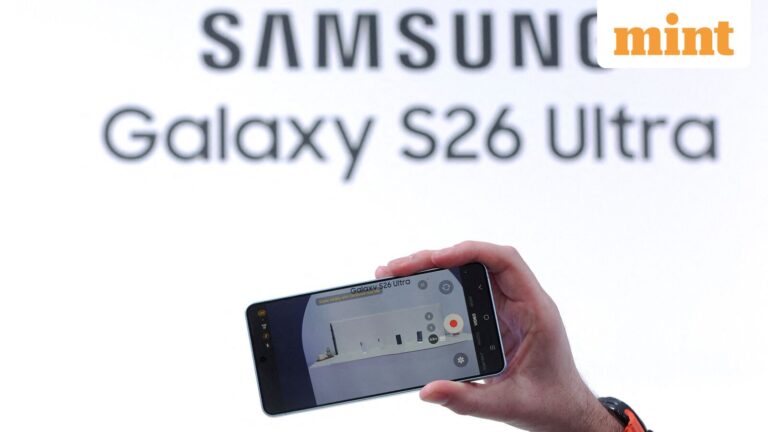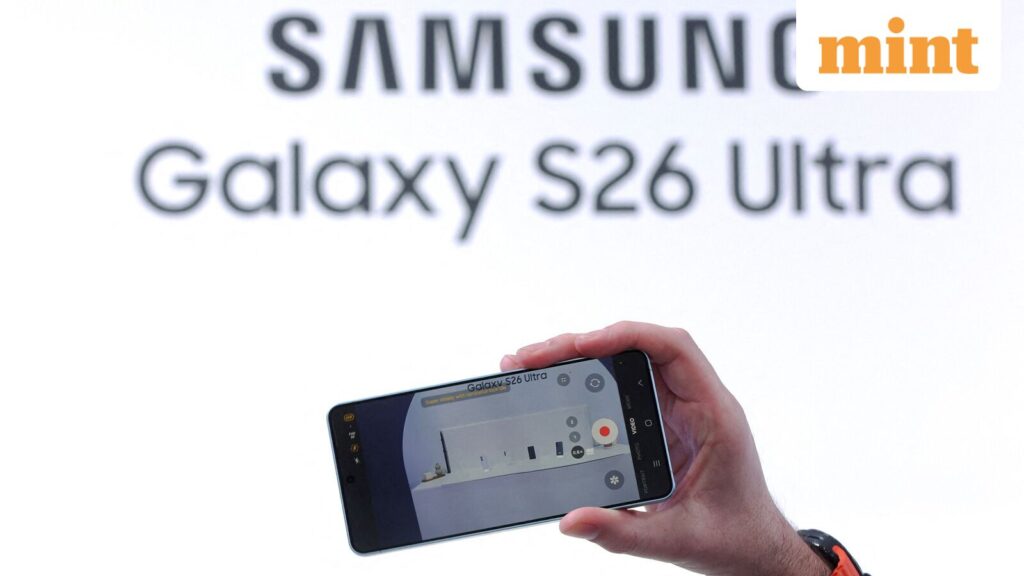

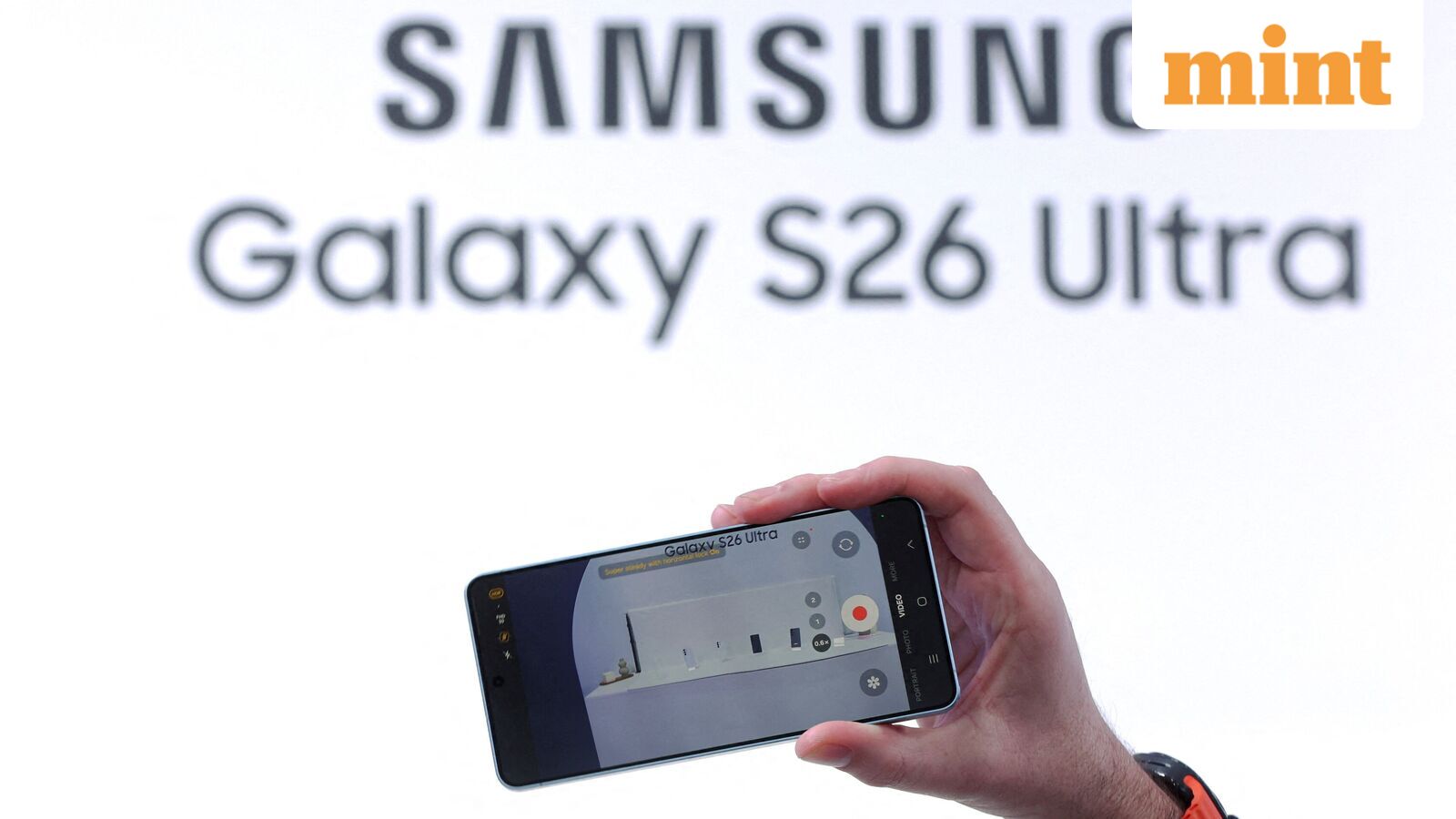
India’s ambitious Production-Linked Incentive (PLI) schemes, designed to invigorate domestic manufacturing and establish the nation as a global production hub, have yielded a complex tapestry of successes and challenges, particularly highlighted by the contrasting performance of global electronics giant Samsung. While the South Korean conglomerate achieved a remarkable run under the smartphone manufacturing PLI, earning over ₹1,000 crore in incentives and transforming its Noida facility into a key export hub, its engagement with a similar scheme for telecom equipment has taken a markedly different trajectory, culminating in a complete withdrawal and underscoring the nuanced realities of industrial policy in diverse sectors.
Launched in February 2021 with an outlay of ₹12,195 crore, the telecom gear PLI aimed to foster local production of critical infrastructure components such as network switches, transmission gear, and set-top boxes. The objective was clear: to reduce import dependency, enhance national security in a strategically vital sector, and stimulate job creation. However, as the five-year tenure of the scheme draws to a close this month for many participants, government data reveals a significant shortfall in anticipated disbursements, with only 15% of the allocated funds, approximately ₹1,850 crore, actually paid out to date. This figure stands in stark contrast to the initial projections and the broader success seen in other PLI domains like smartphones.
Samsung’s decision to exit the telecom PLI, despite initially applying in 2022 and setting an investment target of ₹168 crore by fiscal year 2025, reflects a critical assessment of market viability. Industry insights suggest the company found local manufacturing of telecom equipment unfeasible due to "limited customer demand" within India. Unlike the vibrant, high-volume consumer electronics market for smartphones, the telecom equipment sector is predominantly a business-to-business (B2B) domain with a restricted number of major buyers – primarily the country’s leading telecom service providers like Bharti Airtel, Reliance Jio, and Vodafone Idea. These operators often have long-standing global supply chain relationships with established players such as Nokia and Ericsson, making market penetration for new or localized manufacturing efforts particularly challenging. The economic calculus evidently favored imports for Samsung, despite the incentive framework.
This strategic divergence by Samsung is not an isolated incident. Out of 42 applicants for the telecom PLI, 19, including Samsung, have not claimed or received any incentives. A deeper analysis shows that while Samsung was the only company to formally withdraw without making any investments, 14 other firms that did make some capital expenditure still fell short of their projected targets. The Minister of State for Communications, Pemmasani Chandra Sekhar, articulated this challenge, stating in a parliamentary response that "procurement decisions by service providers are based on commercial and technical considerations," leading many PLI beneficiaries to struggle in securing adequate supply orders to justify planned manufacturing capacity expansions.
The B2B nature of the telecom market inherently introduces complexities not present in mass-market consumer goods. Procurement cycles are longer, technical specifications are highly specialized, and decisions are often driven by existing infrastructure compatibility, global vendor relationships, and long-term service contracts. For instance, HFCL, a company that invested a substantial ₹419 crore between FY23 and FY26, faced considerable hurdles. Its sales under the scheme totaled ₹618 crore over two years, dramatically missing its ambitious targets of ₹2,197 crore for FY25 and ₹3,959 crore for FY26. Such discrepancies highlight the significant gap between projected manufacturing capacity and actual market absorption. Similarly, other companies like Netweb Technologies India, while approved, chose to prioritize other PLI schemes, such as IT Hardware, citing stronger growth momentum and better capital allocation opportunities, illustrating a pragmatic shift in corporate strategy.

Despite these significant underperformances and the lower-than-anticipated disbursement rates, the government has maintained that the telecom PLI scheme has been successful in fostering a domestic manufacturing ecosystem. This assessment is largely underpinned by the performance of several key players who have leveraged the scheme effectively. Tejas Networks, a Tata Group company, stands out, having invested approximately ₹1,455 crore and receiving incentives worth ₹553 crore. Its success was significantly bolstered by securing a large order for BSNL’s 4G rollout, demonstrating the critical role that substantial domestic procurement can play in validating and scaling local manufacturing efforts.
Another success story is Jabil Circuit India, a contract manufacturer for global giants like Ericsson and Apple. Jabil invested around ₹610 crore and received incentives of ₹236 crore, showcasing India’s growing appeal as a manufacturing base for established multinational supply chains. Companies like Nokia Solutions and Networks India and Flextronics Technologies (India) have also reported positive outcomes, contributing to the scheme’s overall metrics. As of December 31, the scheme’s beneficiaries collectively invested ₹5,094 crore, generated over ₹1.03 trillion in sales, contributed ₹21,900 crore in exports, and created 29,661 jobs. These figures, while not reaching the full potential of the allocated outlay, represent tangible progress towards the "Make in India" initiative.
The incentive structure of the scheme offered 4-7% on incremental sales, with an additional 1% for MSMEs in the initial three years. A significant amendment in June 2022 further boosted design-led manufacturing, earmarking ₹4,000 crore from the total corpus for an extra 1% incentive beyond existing rates. Companies were granted flexibility to choose a five-year incentive claim period between FY22-FY26 or FY23-FY27, with investments permitted until FY25 or FY26 based on their chosen base year. This flexibility aimed to accommodate varying business cycles and investment timelines.
Industry experts offer valuable insights for refining future iterations of such incentive programs. Paritosh Prajapati, CEO of Sweden-based GX Group, which manufactures telecom equipment under the scheme in India and has received ₹21 crore in incentives, suggests that larger companies often over-projected capital expenditure and revenue targets, which were then unmet due to insufficient orders. He advocates for an annual evaluation and projection model for capex and revenue, rather than five-year forecasts, to introduce greater realism and flexibility. Furthermore, Prajapati emphasizes the need for future schemes to focus on enhancing value addition within the telecom equipment manufacturing process and actively promoting exports to create a more sustainable and globally competitive ecosystem.
The mixed outcomes of the telecom PLI scheme offer critical lessons for India’s industrial policy. While the broad strategic intent to boost domestic manufacturing and reduce reliance on imports is sound, the execution in specific sectors like telecom requires a more nuanced understanding of market dynamics, customer demand, and global supply chain complexities. The success stories underscore the potential when domestic demand, particularly through large government contracts, aligns with manufacturing capabilities. Conversely, the challenges faced by many participants, including Samsung, highlight the need for greater agility in policy design, more realistic target setting, and perhaps, stronger government-led procurement mandates to truly unlock the potential of indigenous production in high-tech, B2B sectors. As India continues its journey towards becoming a manufacturing powerhouse, these experiences will undoubtedly shape the evolution of its incentive-driven industrial strategies.