The prevailing optimism that defined global financial markets at the start of the year is rapidly evaporating as a confluence of geopolitical volatility and stubborn economic data forces a painful reassessment of U.S. monetary policy. For months, investors had banked on a "pivot" from the Federal Reserve—a transition from a restrictive high-interest-rate environment to a more accommodative stance aimed at fostering growth. However, that narrative has been disrupted by a "perfect storm" of rising energy costs, escalating conflict in the Middle East, and a domestic inflation profile that refuses to descend toward the central bank’s 2% target.
The shift in sentiment is perhaps most visible in the CME Group’s FedWatch Tool, a barometer for market expectations regarding the federal funds rate. Only weeks ago, the consensus pointed toward an initial quarter-percentage-point reduction in June, with subsequent cuts likely in September and December. Today, those projections have been systematically dismantled. Traders have effectively priced out an early summer easing, with many now looking toward December for the first—and potentially only—rate cut of the year. Some derivatives markets are even beginning to price in the possibility that no cuts will materialize until well into 2027, a radical departure from the "soft landing" euphoria that dominated late 2025.
Central to this recalibration is the resurgence of energy prices, driven by heightened military tensions between the United States, Israel, and Iran. The recent attacks on Iranian infrastructure and the looming threat of disruptions in the Strait of Hormuz—a maritime chokepoint responsible for the transit of roughly one-fifth of the world’s oil supply—have propelled Brent crude prices to the psychologically significant $100-per-barrel mark. In the world of central banking, oil is a double-edged sword: it acts as a "tax" on consumer spending while simultaneously driving up the cost of production and transportation, thereby embedding inflationary pressures deeper into the supply chain.
The economic impact of $100 oil cannot be overstated. When energy costs spike, they manifest quickly in the Consumer Price Index (CPI) and the Personal Consumption Expenditures (PCE) price index. Economists at Goldman Sachs recently adjusted their outlook, delaying their forecast for the first rate cut from June to September. Their analysis suggests that as long as energy-driven inflation remains a threat, the Federal Reserve will find it politically and economically difficult to justify a policy easing. While the firm maintains that a significant softening in the labor market could override these concerns, the current resilience of U.S. employment data suggests that the Fed still has the "breathing room" to maintain high rates without triggering an immediate recession.
The upcoming release of PCE data from the Commerce Department is expected to provide further evidence of this inflationary "stickiness." Projections from Dow Jones-surveyed economists suggest that core PCE—the Fed’s preferred metric which strips out volatile food and energy components—rose to an annual rate of 3.1% in January. If realized, this would represent a move in the wrong direction, increasing from the 3.0% recorded in December. Such a trajectory suggests that the "last mile" of the inflation fight is proving to be the most arduous, as service-sector inflation and wage growth remain robust despite the most aggressive tightening cycle in four decades.
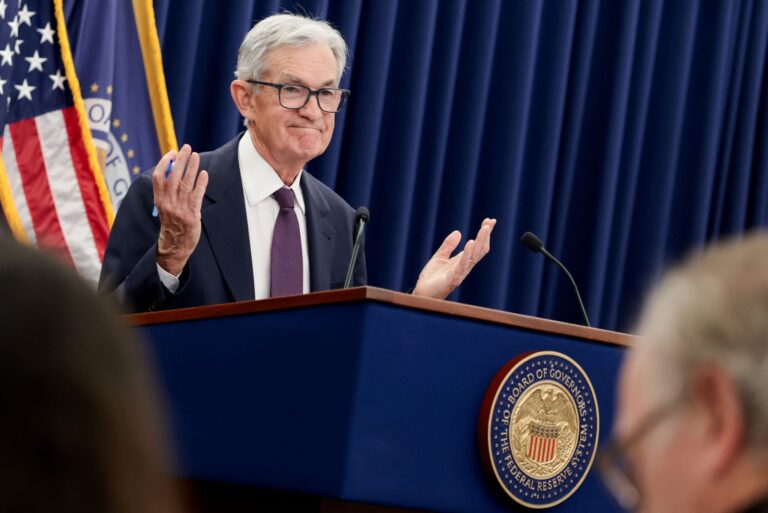
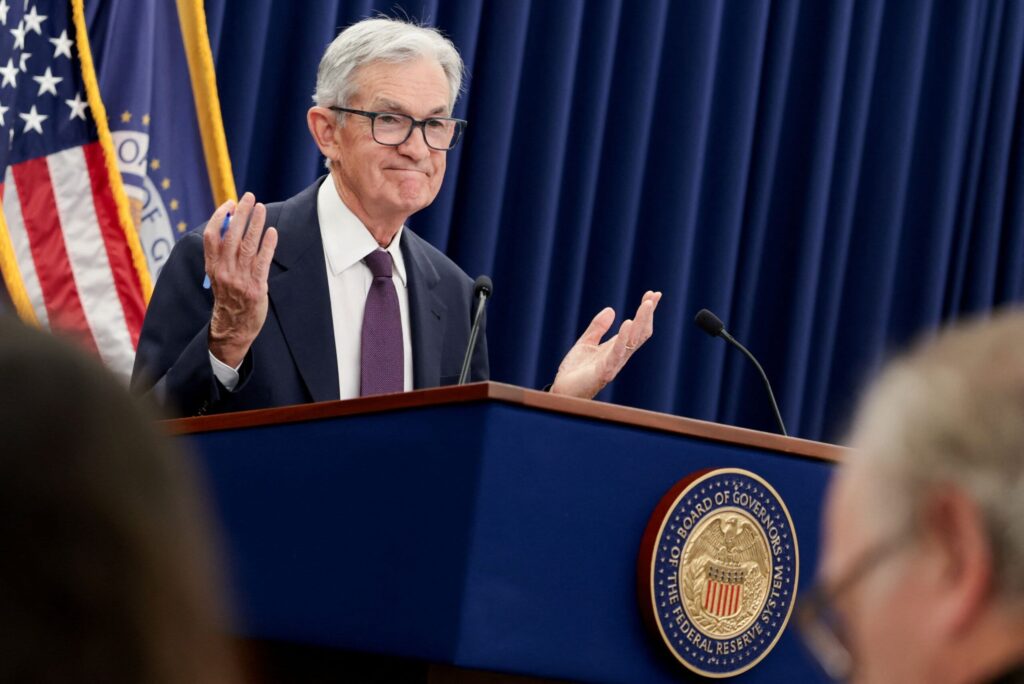
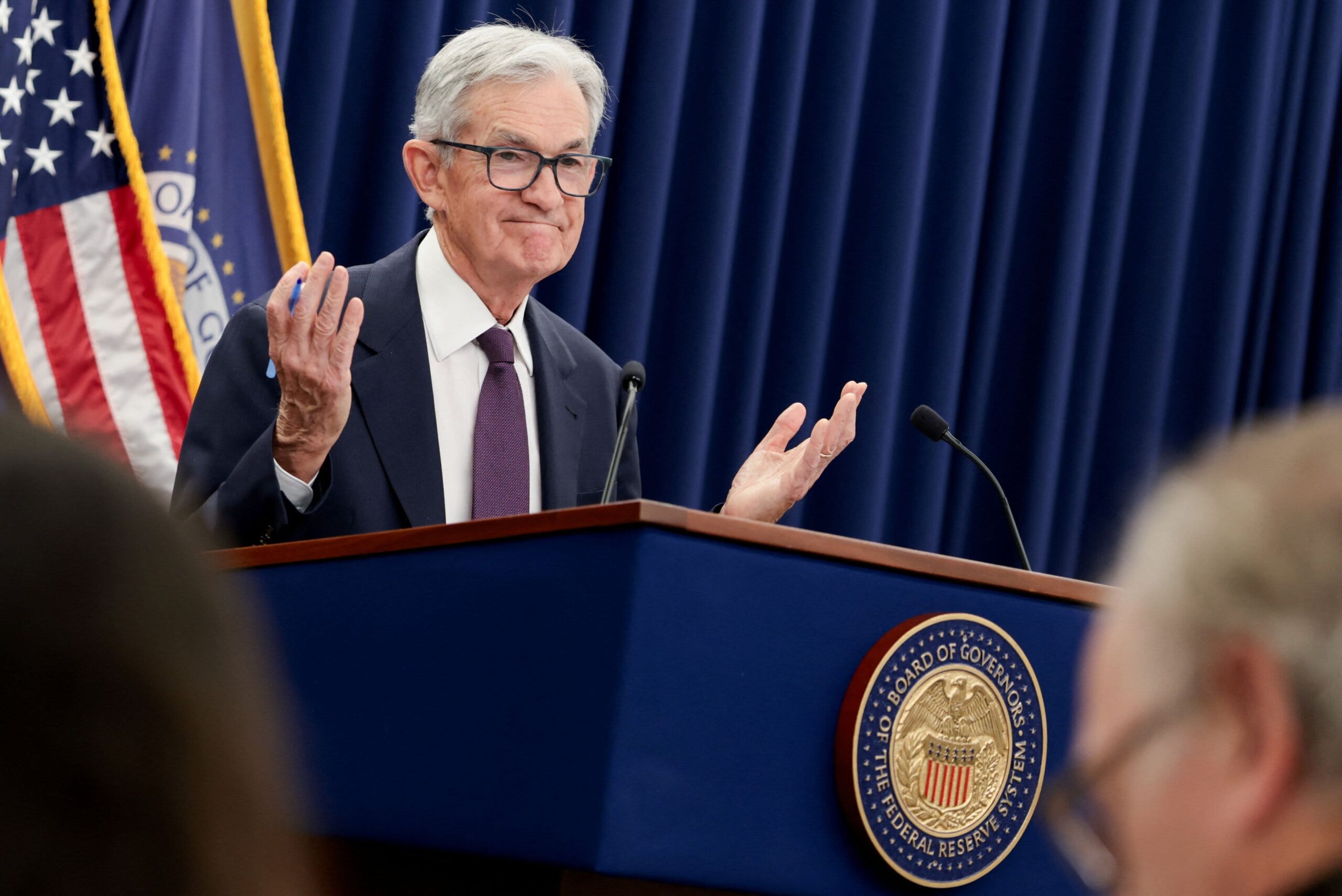
Adding a layer of complexity to the Fed’s decision-making process is a looming transition in leadership. Current Fed Chair Jerome Powell is set to conclude his tenure in May, with Kevin Warsh positioned as the presumptive successor. Warsh, an appointee of President Donald Trump, enters a fractured landscape. While he was selected partly for his perceived willingness to pursue a more aggressive easing cycle to stimulate domestic industry, he inherits an economy where the primary risk remains the loss of price stability. This creates a tension between political expectations and the institutional mandate of the central bank.

President Trump has not been subtle in his critiques of the current regime. In recent social media posts, he labeled Powell "Too Late" and demanded an immediate reduction in borrowing costs to prevent an economic slowdown. However, the Federal Open Market Committee (FOMC) has historically guarded its independence, and the current data suggests that cutting rates now could risk a 1970s-style resurgence of inflation, where premature easing led to a decade of economic stagnation.
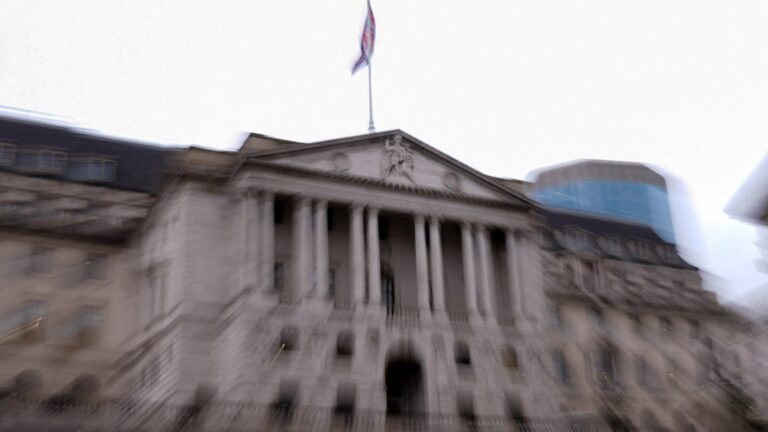
The international implications of a "higher-for-longer" U.S. interest rate environment are profound. As the Federal Reserve maintains a restrictive stance, the U.S. dollar continues to exert dominance over G10 currencies. This "dollar strength" exports inflation to other nations, as commodities priced in dollars become more expensive for foreign buyers. While the European Central Bank (ECB) and the Bank of England (BoE) face their own domestic pressures, they are often tethered to the Fed’s gravity; cutting rates too far ahead of the U.S. could lead to a rapid devaluation of the Euro or Pound, further complicating their own inflation battles.
Market analysts are also closely watching the housing sector, which has remained surprisingly resilient despite mortgage rates hovering near two-decade highs. Stephen Juneau, an economist at Bank of America, noted that while housing components are showing some signs of stabilizing, the broader inflation basket remains rangebound. Juneau’s assessment reflects a growing consensus among institutional observers: the Fed is in no rush. The risk of cutting too early and being forced to hike again—a scenario that would shatter market credibility—far outweighs the risk of keeping rates high for a few additional months.
The manufacturing sector is also feeling the pinch of sustained high borrowing costs. Capital expenditure (CapEx) plans for many mid-sized firms have been put on ice as the cost of financing new equipment and expansion remains prohibitive. This slowdown in investment could eventually lead to the labor market softening that Goldman Sachs identified as a catalyst for rate cuts. However, until the "cracks" in employment become more than just anecdotal, the FOMC appears committed to its current path.
As the March 18 FOMC meeting approaches, the probability of a rate pause stands at nearly 100%. The focus for investors will shift from the decision itself to the "dot plot" and the subsequent press conference, where officials will attempt to signal their intentions for the second half of the year. The primary challenge for the Fed will be managing expectations without triggering a sell-off in equity markets, which have already begun to show signs of fatigue as the "easy money" era remains firmly in the rearview mirror.
In summary, the narrative of 2026 has shifted from one of recovery and easing to one of resilience and caution. The "geopolitical premium" added by the conflict in the Middle East has effectively neutralized the progress made on the inflation front during the previous quarter. For businesses and consumers, this means that the burden of high interest rates—reflected in everything from credit card balances to corporate debt refinancing—will persist for the foreseeable future. The Federal Reserve is navigating a narrow corridor, where a single misstep could either plunge the economy into a deep contraction or allow inflation to become a permanent fixture of the American economic landscape. For now, the "wait and see" approach remains the only viable strategy for a central bank caught between a volatile global energy market and an unpredictable political transition.