

The global energy landscape is currently navigating a period of profound uncertainty as escalating military conflicts in key producing regions threaten to upend delicate supply-demand balances. Crude oil futures and natural gas benchmarks have experienced a sharp upward trajectory in recent sessions, driven by a "geopolitical risk premium" that had, until recently, been largely discounted by market participants. As tensions intensify in the Middle East and Eastern Europe, the prospect of prolonged supply disruptions is forcing traders to recalibrate their expectations for the remainder of the fiscal year, casting a shadow over global efforts to tame inflation.
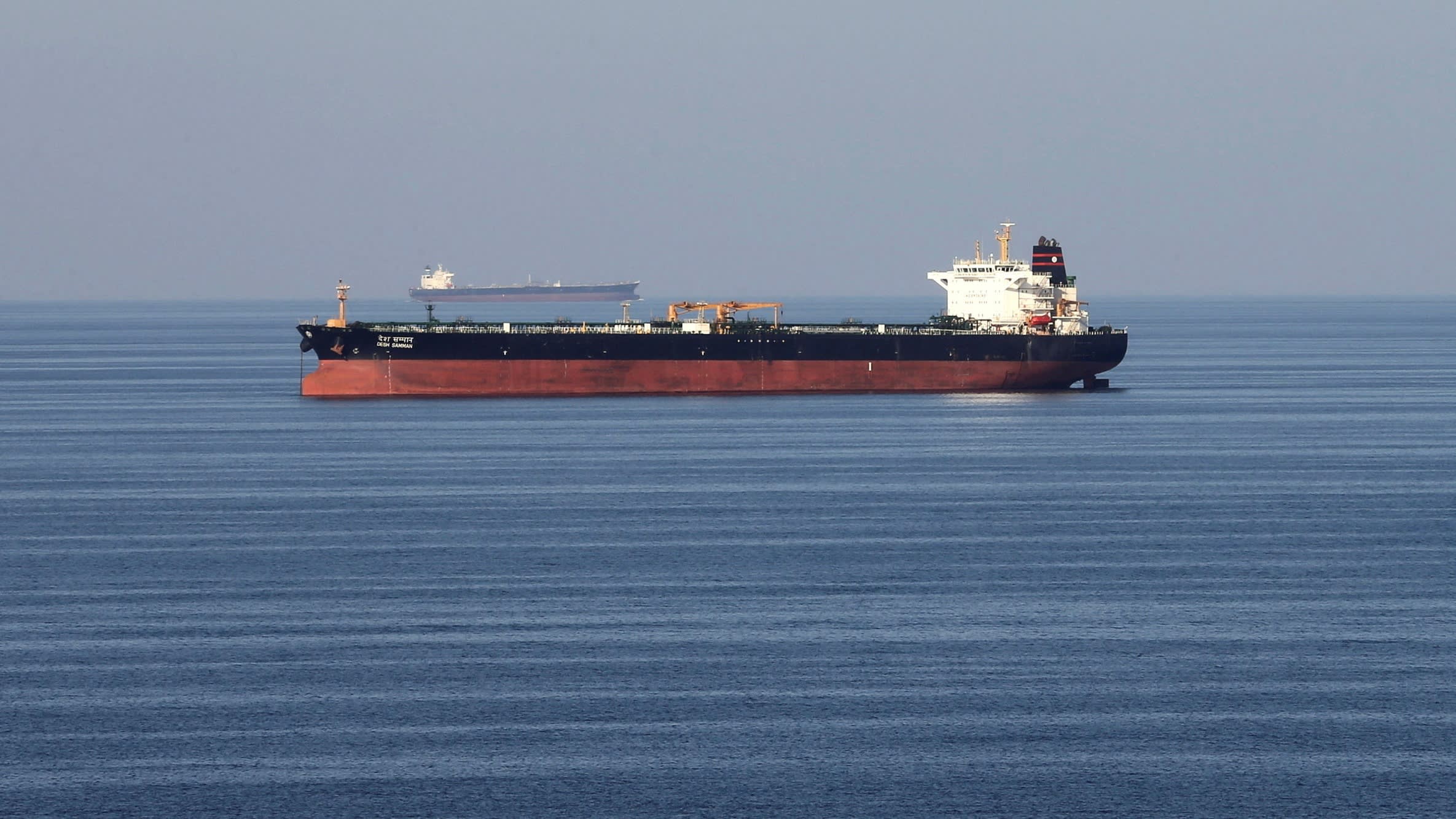
The immediate catalyst for the recent price action stems from the deteriorating security situation in the Middle East, a region that remains the heartbeat of global oil production. Brent crude, the international benchmark, recently breached significant psychological resistance levels, while West Texas Intermediate (WTI) followed suit, reflecting heightened anxiety over the safety of transit corridors and production infrastructure. Analysts suggest that the market is no longer merely watching for rhetorical escalations but is now pricing in the tangible possibility of direct hits to energy assets. The vulnerability of the Strait of Hormuz—a narrow waterway through which roughly one-fifth of the world’s daily oil consumption passes—remains the ultimate "black swan" variable for energy economists.
Beyond the immediate volatility in crude, the natural gas market is facing its own set of unique pressures. In Europe, where the memory of the 2022 energy crisis remains fresh, Dutch TTF futures have seen double-digit percentage gains as concerns mount over the integrity of pipeline networks and the reliability of Liquefied Natural Gas (LNG) shipments. While European storage levels are currently at seasonally high levels, the market is acutely aware that a disruption in Middle Eastern LNG exports or a further degradation of Eurasian supply routes could leave the continent exposed during the high-demand winter months. The interconnectedness of the global gas market means that a supply shock in one region rapidly translates into higher prices for Asian importers and increased competition for North American cargoes.
Economic impact analysis reveals a troubling forecast for central bankers who have spent the last two years battling persistent inflation. Energy prices act as a foundational input for almost every sector of the global economy, from transportation and logistics to petrochemical manufacturing and agriculture. A sustained spike in oil prices above the $90-per-barrel mark would likely exert renewed upward pressure on Consumer Price Index (CPI) readings, potentially complicating the pivot toward lower interest rates by the Federal Reserve and the European Central Bank. Economists warn that "energy-led inflation" is particularly difficult to manage because it functions as a regressive tax on consumers, stifling discretionary spending and slowing overall GDP growth.
The role of OPEC+ remains a critical focal point for market observers. The alliance, led by Saudi Arabia and Russia, has maintained a policy of production restraint in an effort to floor prices and balance the market against rising non-OPEC production, particularly from the United States, Guyana, and Brazil. However, the current geopolitical climate places the group in a complex position. While higher prices bolster the sovereign wealth funds of member states, excessive volatility and the threat of a global recession could destroy long-term demand. There is growing speculation regarding whether the alliance will utilize its spare capacity to stabilize the market should a significant supply outage occur, or if they will maintain their current restrictive posture to maximize revenue while the window of high prices remains open.
In the United States, the shale industry is responding with cautious optimism, though the era of "growth at any cost" has clearly been replaced by a commitment to capital discipline and shareholder returns. While U.S. production remains at record highs, the lead time required to bring new drilling rigs online means that domestic supply cannot act as an instantaneous "off-switch" for global price spikes. Furthermore, the domestic political climate adds another layer of complexity; with energy prices often serving as a lightning rod in electoral cycles, the administration faces the difficult task of balancing environmental goals with the immediate need for affordable fuel. The potential for further releases from the Strategic Petroleum Reserve (SPR) is being discussed in policy circles, though the reserve’s current levels are significantly lower than they were prior to the 2022 interventions, limiting the government’s "firepower" in the face of a sustained crisis.
The ripple effects of this energy surge are being felt most acutely in emerging markets. Countries that are net energy importers are seeing their trade balances deteriorate and their currencies weaken against the U.S. dollar. For nations already struggling with high debt loads, the combination of expensive fuel and a strong dollar creates a "double squeeze" that increases the risk of sovereign defaults and social unrest. Global shipping costs are also on the rise, as insurers hike premiums for vessels navigating high-risk zones, such as the Red Sea. These logistical bottlenecks further exacerbate the inflationary pressure, as the cost of moving goods around the world rises in tandem with the fuel required to power the ships.
From a strategic perspective, the current crisis is accelerating the debate over energy security versus the energy transition. Proponents of a rapid shift to renewables argue that the volatility of fossil fuel markets is the strongest possible argument for diversifying the energy mix and reducing dependence on geopolitically unstable regions. Conversely, some energy analysts suggest that the current shortages highlight the danger of under-investing in traditional oil and gas infrastructure before green alternatives are ready to handle the total global base load. This "energy trilemma"—the challenge of balancing security, affordability, and sustainability—is becoming the defining policy hurdle for the mid-2020s.
Investment banks have begun revising their year-end price targets in light of the escalating conflict. Some more aggressive forecasts suggest that a direct disruption to Iranian production or a closure of key maritime chokepoints could send Brent crude into triple-digit territory, a level not seen since the initial aftermath of the invasion of Ukraine. While such scenarios remain "tail risks," the probability assigned to them by algorithmic trading models has increased significantly over the past fortnight. This has led to a surge in hedging activity, as airlines, trucking firms, and industrial manufacturers rush to lock in prices to protect their margins against further spikes.
As the situation evolves, the focus of the international community is split between diplomatic efforts to de-escalate the conflicts and the logistical challenge of securing alternative energy routes. The resilience of the global energy system is being tested in ways that few predicted during the relatively stable period of the previous decade. With inventories tight and the margin for error slim, the coming months will be a period of high-stakes navigation for policymakers, investors, and consumers alike.
The long-term economic narrative is now inextricably linked to the duration and intensity of these regional confrontations. If the conflicts are contained, the market may eventually see a "relief rally" as the risk premium evaporates. However, should the escalation continue to target energy infrastructure directly, the world may be entering a new era of structural energy scarcity. In this environment, the ability to secure reliable, affordable energy will not just be an economic advantage but a cornerstone of national security and geopolitical influence. The current surge in oil and gas prices is more than just a fluctuation on a ticker tape; it is a manifestation of a world in transition, where the old certainties of supply are being rewritten by the new realities of global discord.