

The escalating unpredictability of global weather patterns, characterized by unusually high temperatures, extended summers, and erratic rainfall, is compelling industries ranging from consumer beverages and frozen treats to cooling electronics to fundamentally overhaul their demand forecasting and supply chain strategies. This shift represents a profound challenge to traditional business models, where seasonal cycles once offered a reliable blueprint for production and distribution. Businesses are now grappling with climate-induced volatility that defies historical data and conventional predictive models, demanding agile responses and significant strategic investments.
A paradigm shift in meteorological patterns is at the heart of this disruption. Regions typically accustomed to distinct seasonal transitions are experiencing prolonged heatwaves, sudden temperature drops, and unseasonal precipitation. For instance, recent observations in key markets have shown temperatures soaring 4-8°C above seasonal averages as early as February, traditionally a cooler month. This phenomenon, which meteorologists attribute to broader climate change trends and specific atmospheric conditions, makes granular, micro-weather pattern prediction increasingly difficult. Experts from meteorological services note that the accuracy of localized forecasts, crucial for business planning, has diminished significantly compared to decades past, creating a critical need for businesses to anticipate changes within a tight 48-72 hour window.
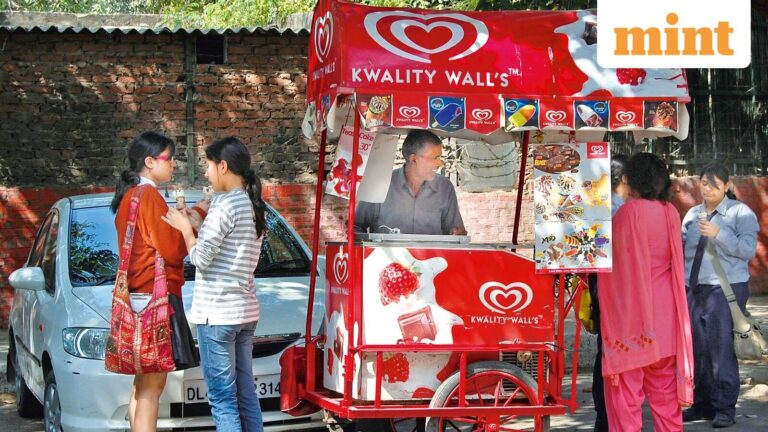
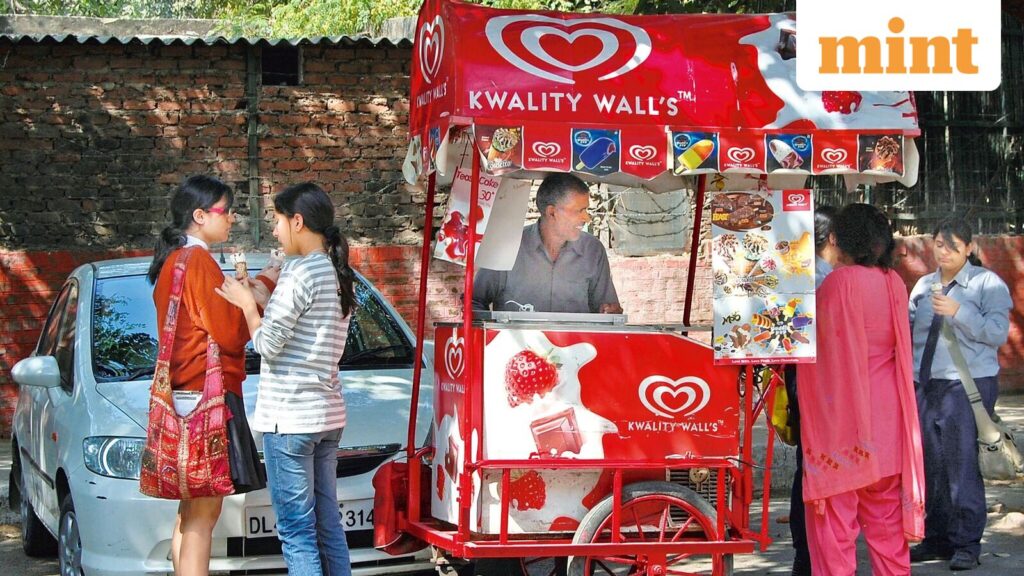
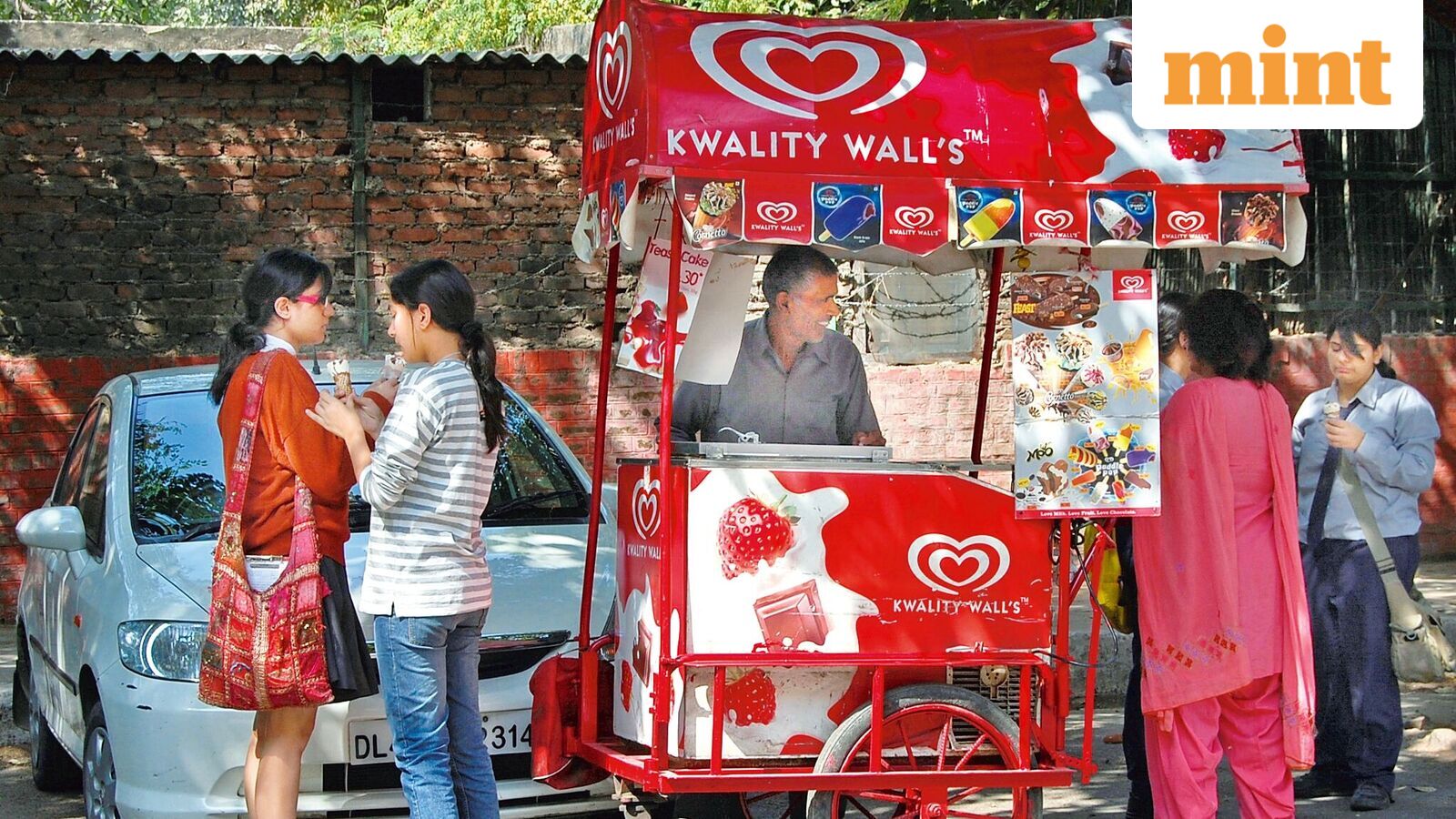
The consumer packaged goods (CPG) sector, particularly beverages and ice cream, feels this impact acutely. These industries are inherently sensitive to temperature fluctuations, with a significant portion of their annual revenue tied to the summer months. For a major ice cream manufacturer in India, for example, the summer season can account for as much as 60% of total annual sales. Traditionally, the period immediately following cultural festivals like Holi marked the unequivocal start of peak demand, triggering large-scale inventory dispatches to retailers, particularly in smaller towns and rural areas where a psychological "switch" to summer consumption occurs. However, extended heat or unexpected early rains can throw these meticulously planned cycles into disarray. Inventory build-up, cold chain logistics, and distribution networks face immense pressure, leading to either costly overstocking or missed sales opportunities. As one industry CEO highlighted, the substantial investments in cold storage and inventory across the distribution chain make climate volatility a significant financial risk.

To mitigate these risks, companies are pursuing multi-pronged strategies. Diversification of product portfolios has become a cornerstone. Beverage giants, for instance, are expanding beyond traditional carbonated soft drinks to include energy drinks, juices, and specialized hydration products, aiming to create a more stable, year-round demand profile. PepsiCo, through brands like Sting, Gatorade, Tropicana, and Rockstar Energy, seeks to cater to a broader spectrum of consumption needs across varying temperatures and occasions. Similarly, Coca-Cola has strategically introduced brands such as Minute Maid and Maaza. Even newer market entrants or domestic players are adopting this approach, as seen with Reliance Retail promoting its flagship Campa Cola alongside a range of acquired labels like RasKik, Sun Crush, and Shunya, designed for diverse seasonal appeal. Beyond product diversification, some ice cream firms are repositioning themselves as "snacking" companies, striving for consistent consumer engagement regardless of the mercury’s reading. This strategic shift aims to decouple sales performance from strict seasonal dependency, fostering year-round relevance and mitigating the inherent volatility of weather-dependent products.
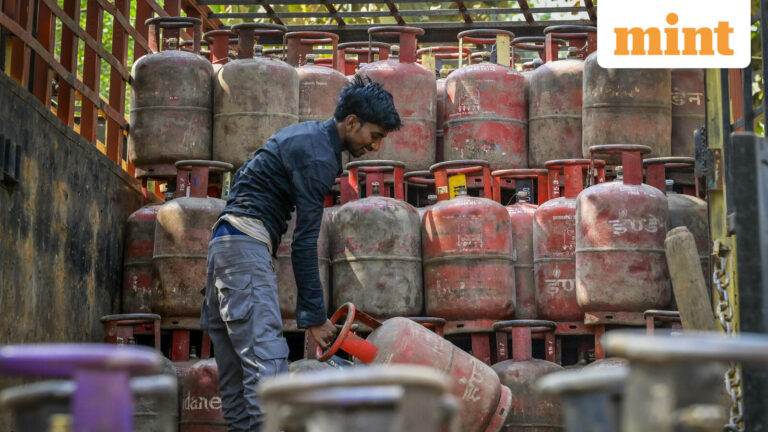
The consumer electronics sector, particularly manufacturers of cooling appliances like air conditioners and coolers, faces a parallel set of challenges. Their production cycles have historically been aligned with predictable seasonal upticks. However, the recent advent of extreme heatwaves, delayed summer onsets, and abrupt rainy spells has severely disrupted these established rhythms. This forces manufacturers to either prematurely ramp up production at higher costs or risk being caught flat-footed by sudden demand surges. The market dynamics are further complicated by external factors. Rising commodity prices, such as copper, coupled with currency fluctuations and increased freight costs, are already exerting upward pressure on manufacturing expenses. Additionally, evolving energy efficiency norms necessitate continuous investment in R&D and production line adjustments. These cost increases are inevitably passed on to consumers, with some appliance prices projected to rise by 30-40% in a single season, potentially impacting affordability and demand elasticity. Policy shifts, such as government directives prioritizing gas allocation for household and essential sectors, also introduce uncertainty for manufacturers reliant on industrial gas for critical processes like flame-brazing copper components, adding another layer of supply chain vulnerability.
In response, a growing number of businesses are abandoning the traditional model of building vast seasonal inventories in favor of more flexible, demand-driven production schedules. This involves leveraging advanced analytics, real-time sales data from distributors and retailers, and even AI-powered forecasting models to calibrate production volumes dynamically. By shortening lead times and enhancing operational agility, companies aim to minimize inventory holding costs and reduce the risk of obsolescence or overstocking. For instance, a leading consumer durables brand noted its pivot towards flexible production, utilizing granular sales data to quickly adjust manufacturing output, thereby significantly reducing inventory risk. Investment in new, strategically located manufacturing facilities is also part of this adaptive strategy, allowing for more localized production and quicker response times to regional weather anomalies. SLMG Beverages, a major Coca-Cola bottler, recently announced a significant investment in a new bottling plant, underscoring the industry’s commitment to strengthening supply chain resilience and capacity.
Looking ahead, the long-term implications of climate volatility are profound, extending beyond immediate operational adjustments to influence broader economic stability. The potential for an El Niño event later in the year, historically associated with higher-than-average temperatures and severe heatwaves, casts a long shadow. Such phenomena could lead to diminished rainfall during critical harvest months, impacting agricultural output and, consequently, rural demand – a significant driver of consumption in many emerging economies. This creates a complex interdependency where climate events directly affect both supply chain logistics and the purchasing power of a substantial consumer base. The imperative for businesses to embed climate resilience into their core strategic planning has never been clearer. This involves not only technological upgrades in forecasting and production but also fostering collaborative ecosystems that integrate meteorological expertise with supply chain management, and potentially even exploring climate insurance mechanisms. The era of predictable seasonality is waning, replaced by a dynamic environment where adaptive capacity and strategic foresight are paramount for sustained market leadership and profitability.