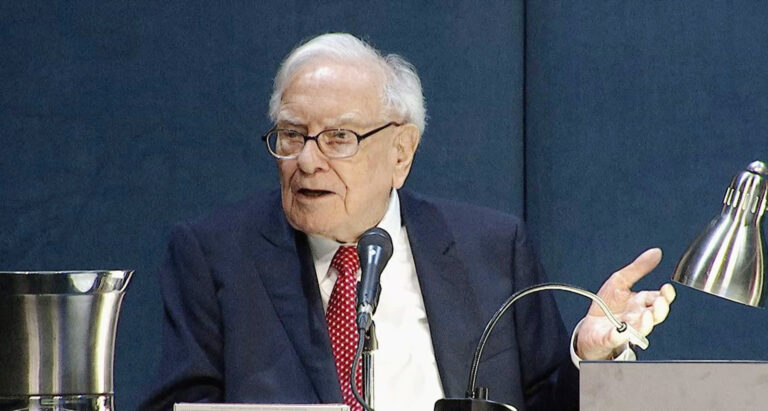


The investment landscape shifted significantly in the final quarter of the year as Berkshire Hathaway, the sprawling conglomerate led for over half a century by Warren Buffett, executed a series of calculated adjustments to its multi-billion-dollar equity portfolio. According to recent regulatory filings, the Omaha-based firm reduced its massive exposure to Apple Inc. while initiating a fresh position in The New York Times Company, signaling a subtle but noteworthy recalibration of its long-term strategy. These moves come at a pivotal moment for the company, coinciding with the formal handover of the Chief Executive role from Buffett to his long-designated successor, Greg Abel.
Berkshire’s decision to trim its stake in Apple by approximately 4.3% marks a continuation of a cooling trend regarding its relationship with the tech giant. Despite the reduction, Apple remains the undisputed cornerstone of Berkshire’s investment strategy, with the remaining stake valued at a staggering $61.96 billion. This divestment follows a more aggressive reduction earlier in the year, where the conglomerate slashed its holdings in the iPhone maker by nearly two-thirds. The recurring sales suggest a strategic desire to lock in profits and perhaps reduce concentration risk as the broader technology sector faces a period of heightened regulatory scrutiny and shifting consumer demand.
The cooling sentiment toward Apple is reflective of the stock’s recent market performance. While the Cupertino-based company managed a 9% gain over the course of 2025—marking its third consecutive year in the green—it notably lagged behind the broader S&P 500, which surged by more than 16% during the same period. More recently, Apple has struggled to maintain momentum, with its shares declining roughly 3% since the start of the current year. Market analysts point to several headwinds, including a landmark regulatory challenge involving the Federal Trade Commission and the integration of artificial intelligence into its Siri interface, which contributed to the stock’s most significant single-day drop in nearly a year just last week.
While the reduction in Apple captured the headlines, the disclosure of a new $351.7 million stake in The New York Times Company provided an intriguing glimpse into Berkshire’s evolving perspective on the media landscape. Though the position currently ranks 29th out of 41 total holdings, it represents a return to an industry Buffett has historically championed. In previous decades, Berkshire was a dominant force in the newspaper business, owning the Buffalo News and a significant portion of the Washington Post. However, as the digital revolution decimated traditional print advertising, Buffett largely exited the sector. The new investment in the Times suggests a renewed confidence in the "digital moat" the publication has built through its successful subscription-based model, which has effectively decoupled its revenue from the volatile print advertising market.
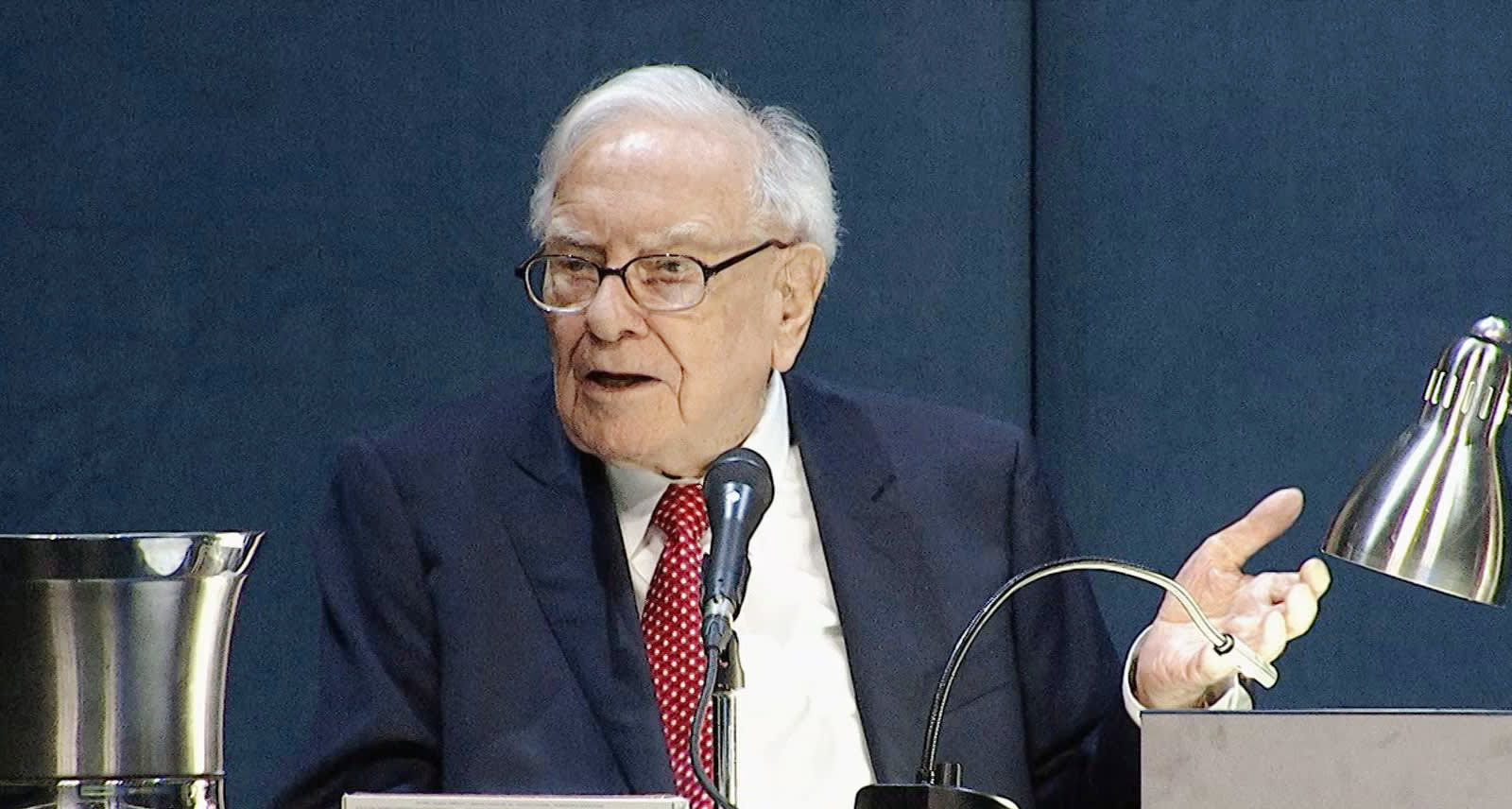
The timing of these portfolio shifts is inseparable from the generational leadership transition currently underway in Omaha. The fourth quarter served as the final chapter of Warren Buffett’s tenure as CEO, with Greg Abel officially assuming the mantle at the start of the new year. Abel, who previously oversaw Berkshire’s non-insurance operations, including its massive energy and railroad divisions, inherits a portfolio that is increasingly being optimized for a new era of management. Industry observers suggest that the recent trimming of major positions like Apple and Alphabet may be intended to make the portfolio more "manageable" for the incoming leadership, ensuring that Abel and his team have the flexibility to deploy capital according to their own vision.
The leadership shuffle extended beyond the CEO’s office. Todd Combs, one of Buffett’s two primary investment lieutenants and the former CEO of Geico, resigned his post in December to join JPMorgan Chase. Combs will now lead the banking giant’s new Security and Resiliency Initiative. His departure, combined with the transition of power to Abel, underscores a broader structural evolution at Berkshire Hathaway. While Buffett remains Chairman of the Board and is expected to maintain an influential voice in major capital allocation decisions, the day-to-day stewardship of the world’s most famous investment vehicle has now officially passed to a new generation.

A closer examination of Berkshire’s top ten holdings as of the end of the fourth quarter reveals a portfolio that is increasingly balancing its tech exposure with "old economy" stalwarts and defensive plays. Following Apple’s $61.96 billion valuation, American Express remains the second-largest holding at $56.09 billion, showing no change in share count. This underscores Buffett’s enduring faith in the premium credit and travel sector. Conversely, Berkshire continued to pare back its investment in Bank of America, reducing its stake by 8.9% to $28.45 billion. This move may reflect broader concerns regarding the banking sector’s sensitivity to fluctuating interest rates and a cooling mortgage market.
In the energy and insurance sectors, however, Berkshire appears to be leaning in. The company increased its position in Chevron by 6.6%, bringing the value of that holding to $19.84 billion. This aligns with Berkshire’s aggressive accumulation of Occidental Petroleum shares, where it maintains a $10.89 billion stake. By bolstering its energy holdings, the conglomerate is positioning itself to benefit from long-term global demand for traditional fuel sources, even as the world transitions toward renewable energy. Furthermore, a 9.3% increase in its stake in the insurer Chubb, now valued at $10.69 billion, reinforces Berkshire’s commitment to its core insurance engine, which provides the "float" necessary for its wide-ranging investment activities.
The conglomerate’s activity in the "Magnificent Seven" tech stocks has been particularly nuanced. While it trimmed Apple, it also revealed a reduction in its Alphabet stake during the third quarter, which now sits at $5.59 billion—the tenth-largest position in the portfolio. This cautious approach to big tech suggests that Berkshire’s investment team, whether led by Buffett, Abel, or Ted Weschler, is wary of the high valuations and "AI-hype" that have propelled much of the Nasdaq’s recent growth. By shifting capital into more value-oriented names like Kraft Heinz ($7.9 billion) and Moody’s ($12.6 billion), Berkshire is adhering to the classic "margin of safety" principle that has defined its success for decades.
As Greg Abel takes the reins, he faces the daunting task of deploying Berkshire’s massive cash pile, which has frequently hovered near record levels. The challenge for the post-Buffett era will be finding "elephant-sized" acquisitions that can move the needle for a company of Berkshire’s size. The recent activity in the equity portfolio suggests a preference for high-quality, cash-flow-positive businesses that possess a clear competitive advantage—a philosophy that Abel is expected to uphold.
The transition also raises questions about the future of Berkshire’s annual shareholders’ meeting, often referred to as the "Woodstock for Capitalists." While Buffett’s presence as Chairman ensures a level of continuity, the dynamic of the meeting will inevitably change without him at the helm of the executive suite. Investors will be watching Abel closely to see if he adopts Buffett’s penchant for folksy wisdom and long-term perspective, or if he moves toward a more traditional, operationally focused corporate style.
Ultimately, the fourth-quarter filings depict a conglomerate in a state of graceful evolution. By trimming Apple, diversifying its media interests through The New York Times, and reinforcing its positions in energy and insurance, Berkshire Hathaway is preparing for a future that looks both backward to its value-investing roots and forward to a new era of leadership. As the "Oracle of Omaha" steps back from the CEO role, he leaves behind a portfolio that is not only the largest in the world but one that is meticulously tuned to withstand the volatility of the modern global economy. The baton has been passed, and while the face of the company has changed, the underlying principles of discipline, patience, and strategic capital allocation appear as firm as ever.