
The conclusion of the nine-day Lunar New Year festivities in China has provided global economists with a critical data set, revealing a consumer landscape that is recovering with enough resilience to likely forestall the massive, "bazooka-style" stimulus packages that international investors have long anticipated. As the Year of the Snake commenced, the world’s second-largest economy demonstrated a robust appetite for experiential consumption, even as structural shifts in spending habits and a lingering cautiousness among households suggest a more complex path toward long-term growth.
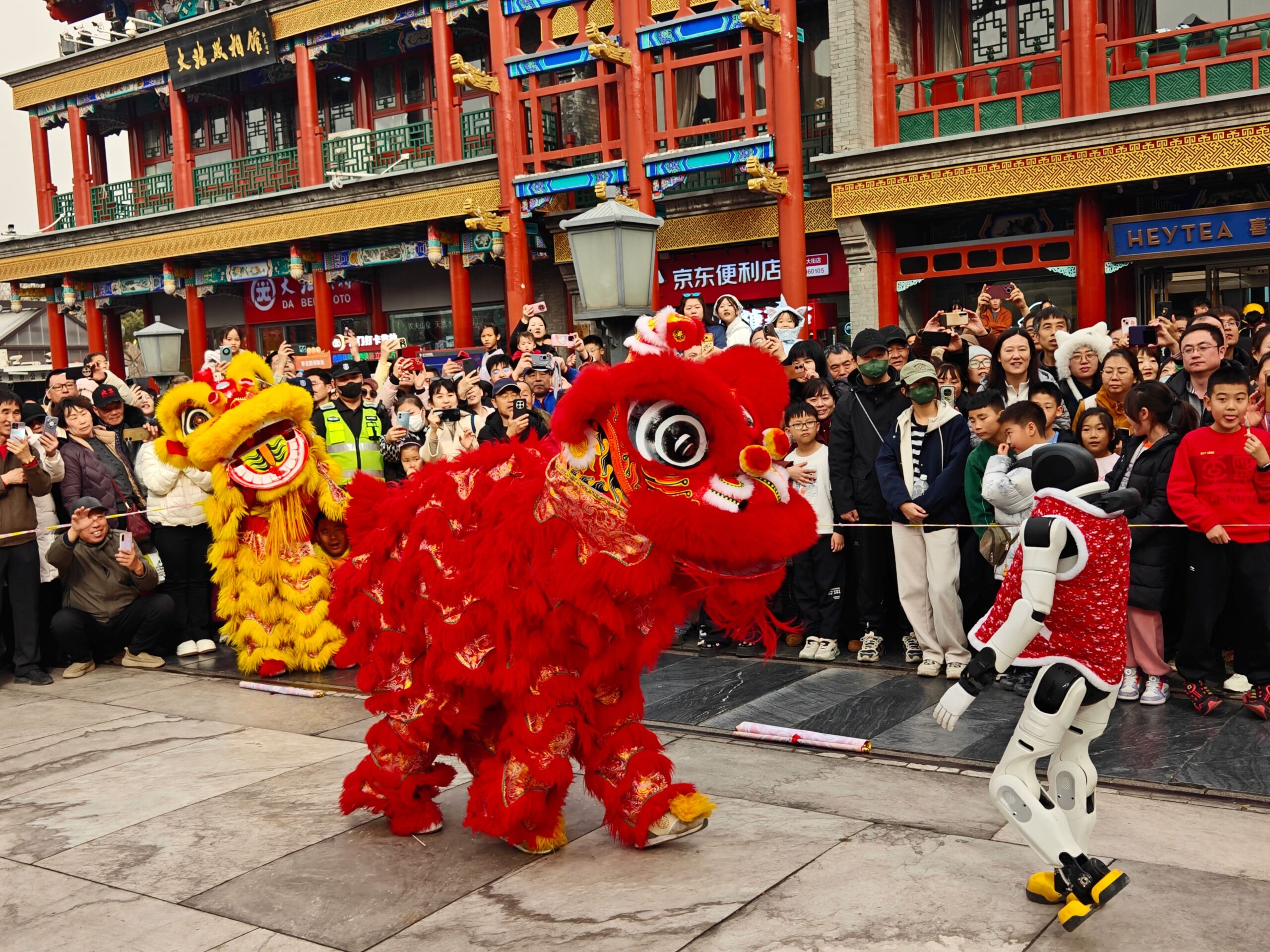
The holiday period, which traditionally serves as a barometer for the health of Chinese domestic demand, saw rail travel hit a staggering record of more than 18.7 million passengers in a single day. From the bustling streets of Beijing to the tropical resorts of Hainan, the sheer volume of movement signaled that the Chinese public’s desire for mobility has fully detached from the constraints of the pandemic era. However, while the quantity of activity has surged, the quality and character of that spending are evolving in ways that present both opportunities and challenges for policymakers in Zhongnanhai.
The Rise of the Experience Economy
A defining feature of this year’s holiday data is the widening divergence between "experience" spending and traditional retail consumption. Data from travel platforms and hotel operators indicate that Chinese consumers are increasingly prioritizing memories over merchandise. Alibaba-owned booking platform Fliggy reported that bookings for hotel and theme park packages more than doubled compared to the previous year. This trend was particularly pronounced in niche and remote destinations; scenic locales such as Altay in Xinjiang and Pu’er in Yunnan saw booking surges exceeding 100%, reflecting a growing desire among the middle class for unique, "Instagrammable" experiences away from traditional Tier-1 hubs.
H World Group, a titan in the hospitality sector with a portfolio of over 12,000 hotels, noted that occupancy rates in top-tier coastal and southern destinations like Sanya hovered at or above 90%. The company’s strategic insights highlight a demographic shift: families are traveling in larger groups, driving demand for multi-room configurations and shared experiences. This pivot toward the "experience economy" is not merely a cultural shift but a structural one. It suggests that while the property market slump has dampened the "wealth effect" associated with home ownership, it hasn’t entirely stifled the desire for lifestyle-oriented discretionary spending.
Price Sensitivity and the Deflationary Shadow
Despite the record-breaking travel figures, a closer look at the unit economics of the holiday reveals a more sober reality. While total tourism trips grew by an average of 5.7% per day compared to the previous year, the corresponding growth in spending lagged slightly at 5.5%. More tellingly, an analysis of official figures indicates a 0.2% decline in average expenditure per tourist trip.

This discrepancy highlights a persistent trend of price sensitivity among Chinese consumers. Even as they flock to tourist sites, travelers are increasingly "budget-conscious," opting for value-driven options over high-end luxury. This frugality is a byproduct of broader economic anxieties, including a cooling labor market and the long-term impact of the real estate sector’s deleveraging. For economists, this "low-cost travel" trend underscores the deflationary pressures that have haunted the Chinese economy over the past eighteen months. When consumers are unwilling or unable to increase their per-capita spending, the risk of a "liquidity trap" or a prolonged period of low inflation becomes a primary concern for the People’s Bank of China (PBOC).
Strategic Hubs and the Hainan Experiment
To combat the tendency of high-net-worth individuals to spend their holiday budgets abroad, Beijing has doubled down on domestic luxury hubs. The island province of Hainan has become the centerpiece of this strategy. By expanding zero-tariff policies and enhancing duty-free shopping infrastructure, the government aims to repatriate the billions of dollars that Chinese tourists once spent in Paris, Tokyo, or Milan.
The strategy appears to be yielding dividends. Official data showed that duty-free sales in Hainan during the holiday period reached 2.72 billion yuan (approximately $400 million), a 30.8% increase from the previous year. This localized boom suggests that when the value proposition is right—combining domestic travel with significant savings on luxury goods—Chinese consumers are willing to open their wallets. However, the success of Hainan remains an outlier in a broader retail environment that remains relatively flat.
Policy Implications: Targeting Incrementalism Over Aggression
The steady, if unspectacular, recovery in holiday spending has significant implications for China’s upcoming political calendar. As the "Two Sessions"—the annual meetings of the National People’s Congress (NPC) and the Chinese People’s Political Consultative Conference (CPPCC)—approach in March, the focus will be on Premier Li Qiang’s delivery of the government work report.
Investors hoping for a massive fiscal injection may find themselves disappointed. The holiday data suggests that the current "targeted" approach—using consumption vouchers and trade-in subsidies rather than direct cash transfers—is doing enough to "put a floor" under domestic demand. Local governments reportedly issued more than 2.05 billion yuan in vouchers ahead of the Lunar New Year, a move that analysts say effectively stabilized expectations without bloating the national debt.
The prevailing sentiment among Beijing’s policy circles appears to be one of cautious optimism. Rather than a "big bang" stimulus, the government is likely to favor incremental easing. The goal is not to supercharge growth to the double-digit levels of the past, but to sustain a "quality growth" rate of approximately 2% to 3% in the consumption sector. This philosophy marks a departure from the Western model of pandemic recovery. While the United States utilized direct stimulus checks to fuel a rapid, consumption-led rebound, China is focusing on long-term structural repairs, such as improving social safety nets and boosting employment prospects to naturally raise consumer confidence.

Statistical Realignment and the Service Sector
In a move that acknowledges the changing DNA of the Chinese economy, the National Bureau of Statistics (NBS) recently announced a reweighting of the Consumer Price Index (CPI). By giving more weight to services—such as education, health, and entertainment—and less to traditional goods, the NBS is aligning its metrics with the reality of the modern Chinese consumer.
This statistical shift is more than just a technical adjustment; it is a recognition that the service sector is now the primary engine of domestic demand. Experts argue that the key to a sustainable recovery lies in addressing long-term structural issues rather than short-term shopping promotions. Confidence in income growth and job security remains the ultimate catalyst for consumption. Without a significant improvement in the outlook for the youth labor market and a stabilization of the property sector, the "experience economy" may eventually hit a ceiling.
Global Comparisons and the Road Ahead
When compared to other major economies, China’s recovery trajectory remains unique. In the Eurozone and the United States, post-pandemic growth was characterized by a "revenge spending" phase followed by high inflation and subsequent interest rate hikes. China, conversely, is navigating a path of "disinflationary recovery," where growth is present but lacks the inflationary heat typical of a booming economy.
The global implications of this are twofold. First, the lack of a massive Chinese stimulus means that global commodity prices may remain stable, providing a disinflationary tailwind for the rest of the world. Second, for multinational corporations, the "China play" has changed. Success in the Chinese market no longer depends on general economic tailwinds but on a brand’s ability to tap into the specific demand for experiences, health, and value-oriented luxury.
As the decorations are packed away and the nation returns to work, the message from the Lunar New Year is clear: China’s economy is not in freefall, but it is not in a sprint either. The government has signaled its comfort with this moderate pace of recovery, prioritizing financial stability and structural reform over the sugar high of debt-fueled stimulus. For the global market, the "new normal" for China is a consumer who travels further and more frequently than ever before, but who counts every yuan along the way. In this environment, Beijing’s role has shifted from a driver of growth to a stabilizer of expectations, ensuring that the recovery, however gradual, remains on track.