
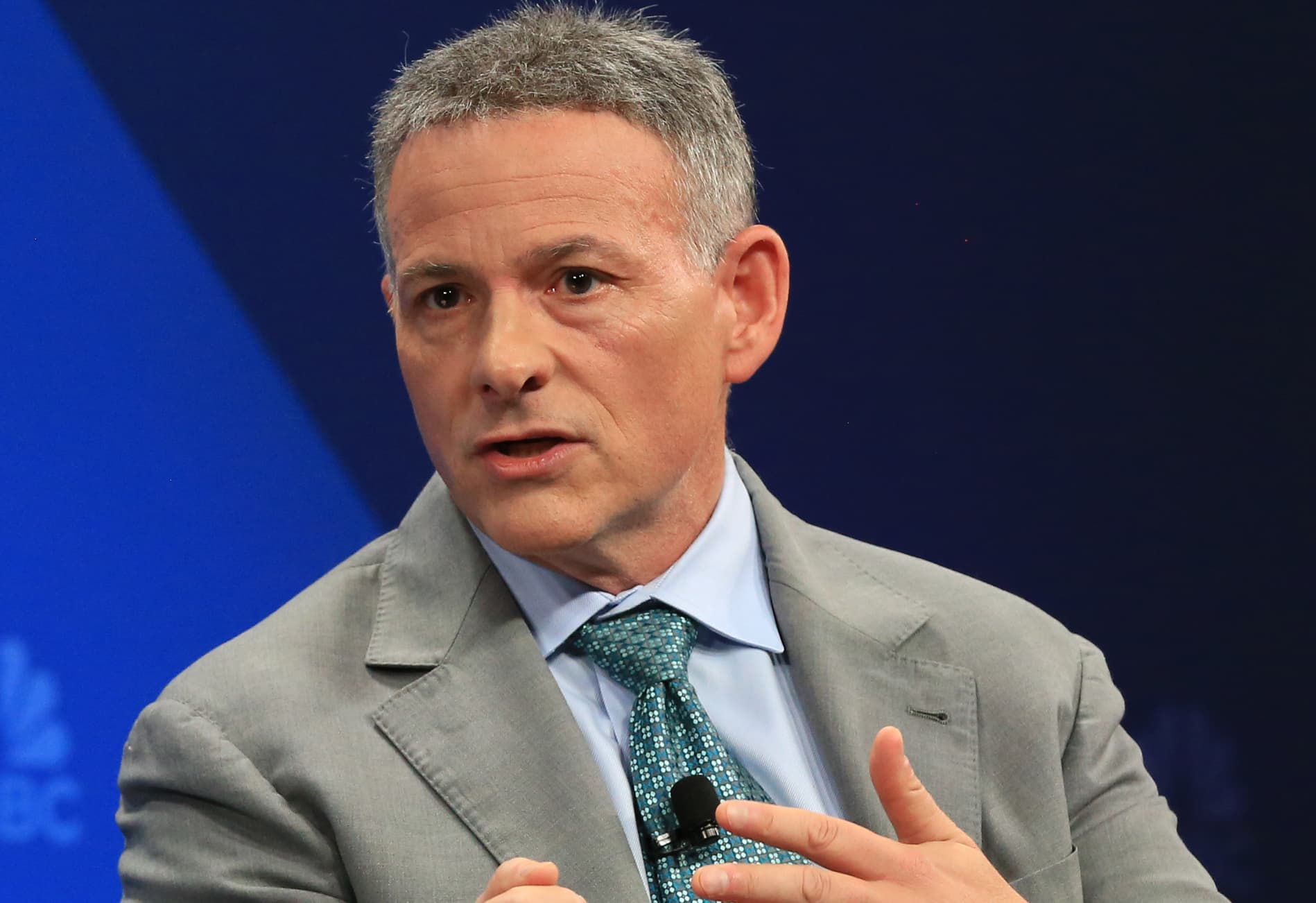
The global financial landscape is currently witnessing a stark divergence between institutional market expectations and the high-conviction strategies of some of Wall Street’s most seasoned contrarians. David Einhorn, the founder and president of Greenlight Capital, has emerged as a leading voice challenging the prevailing narrative surrounding the Federal Reserve’s trajectory. While the broader market remains tethered to a cautious outlook on interest rate reductions, Einhorn is positioning his portfolio for a reality in which the central bank eases monetary policy "substantially more" than the two cuts currently priced in by traders. This conviction has led the hedge fund manager to double down on gold, viewing the precious metal not merely as a hedge against inflation, but as an ascending primary reserve asset in a fractured geopolitical environment.
The tension between market data and Einhorn’s thesis was underscored by the recent release of the January jobs report. The data showed a labor market that remains resilient, prompting many analysts to scale back their expectations for aggressive easing. Currently, the CME FedWatch Tool indicates an 88% probability that the Federal Reserve will implement two quarter-percentage-point cuts by the end of the year. To many, the "higher for longer" mantra remains the safest bet. However, Einhorn contends that the market is misinterpreting the signals. From his perspective, the strength of the economy will not be the primary deterrent for a shift in policy, particularly as a new era of leadership looms at the Eccles Building.
Central to Einhorn’s outlook is the nomination of Kevin Warsh to succeed Jerome Powell as the Chair of the Federal Reserve. Warsh, a former Fed Governor and a key pick by the Trump administration, is viewed by Einhorn as a catalyst for a paradigm shift in how the central bank views its mandate. The traditional "Phillips Curve" logic—which suggests that low unemployment must be countered by high rates to prevent inflation—may be sidelined in favor of a "productivity-first" approach. Einhorn argues that Warsh will likely persuade the Federal Open Market Committee (FOMC) that if productivity is rising, the economy can "run hot" without triggering a return to 1970s-style stagflation. This perspective suggests that the Fed could prioritize growth and industrial expansion, leading to a more aggressive cutting cycle than the market is currently prepared for.
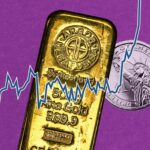
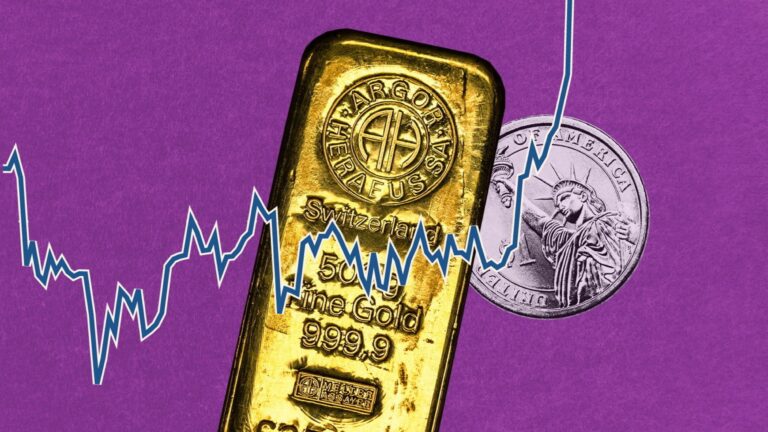
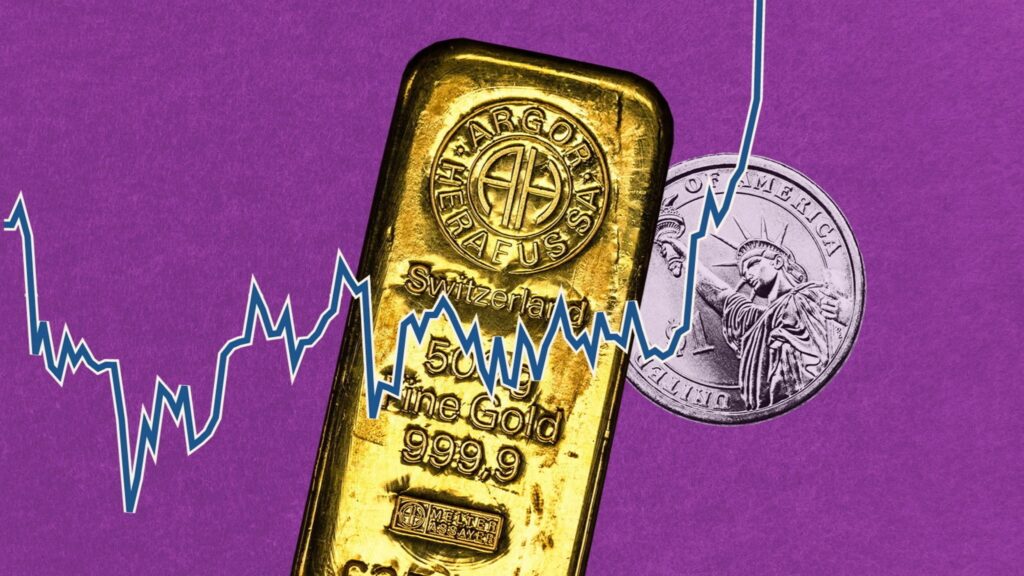
This anticipated pivot toward lower rates has profound implications for the commodities market, specifically gold. The yellow metal has already demonstrated remarkable momentum, despite the volatility inherent in shifting political administrations. While gold saw a temporary sell-off following the announcement of Warsh’s nomination—largely due to a temporary restoration of confidence in Fed independence—the long-term trend remains aggressively bullish. Gold futures have climbed more than 17% this year, following a spectacular 60% surge in 2025. When viewed through a broader lens, the metal has appreciated by more than 120% since the start of 2024.
Einhorn’s affinity for gold is rooted in more than just interest rate differentials. He points to a fundamental transformation in the global monetary order: the "de-dollarization" of central bank balance sheets. For decades, the U.S. dollar and Treasury bonds were the undisputed bedrock of global reserves. However, an increasingly unstable U.S. trade policy and the use of the dollar as a tool of geopolitical leverage have prompted foreign capitals—particularly in the Global South and the BRICS+ bloc—to seek alternatives. "U.S. trade policy is very unstable," Einhorn noted, "and it’s causing other countries to say we want to settle our trade in something other than U.S. dollars." In this context, gold is re-emerging as the ultimate neutral reserve asset, free from the political whims of any single nation-state.

The fiscal backdrop of the United States further strengthens the case for hard assets. Einhorn has been vocal about the "nonsense" relationship between current fiscal and monetary policies. With the U.S. national debt continuing its vertical climb and interest expense becoming a dominant line item in the federal budget, the sustainability of high interest rates is increasingly questioned by economists. If the Federal Reserve maintains high rates while the government continues to run massive deficits, the resulting "debt spiral" could force the central bank’s hand regardless of inflation targets. In Einhorn’s view, the long-term structural issues facing the dollar are not unique, but rather a symptom of a broader malaise affecting all major fiat currencies. He suggests that while the dollar faces headwinds, the Euro and the Yen are in positions that are "as bad or worse," making gold the only logical beneficiary of a multi-currency crisis.
This skepticism toward the dollar was validated by recent market movements. Last month, the U.S. dollar experienced its most significant single-day decline since April 2025. This volatility was triggered by comments from the executive branch suggesting a lack of concern over currency weakness, fueling speculation that a weaker dollar might be used as a deliberate tool to boost domestic manufacturing and reduce trade deficits. For an investor like Einhorn, who famously gained notoriety for his 2008 short position against Lehman Brothers, these systemic cracks are familiar warning signs. He views the current environment not as a period of stability, but as a transitional phase toward a new economic reality.
Beyond gold, Einhorn is expressing his views on interest rates through the Secured Overnight Financing Rate (SOFR) futures market. By taking a "long" position on SOFR futures, Greenlight Capital is essentially betting that short-term interest rates will fall significantly. The SOFR, which replaced LIBOR as the benchmark for dollar-denominated derivatives and loans, is a sensitive barometer of the Fed’s actual policy path. Einhorn’s bet on SOFR futures aligns with his belief that the Fed will be forced to ease more aggressively to manage the dual pressures of a cooling global economy and the massive refinancing needs of the corporate and sovereign sectors.
The economic impact of a more aggressive Fed easing cycle would be multifaceted. For the equity markets, lower rates typically provide a tailwind for valuations, particularly in growth-oriented sectors. However, if those cuts are driven by a need to stabilize a fracturing fiscal situation rather than a "soft landing" in inflation, the benefits to stocks may be overshadowed by currency volatility. Furthermore, a "productivity" argument for lower rates, as Einhorn anticipates from a Warsh-led Fed, would require tangible evidence of technological or industrial efficiency gains to prevent a resurgence of consumer price increases.
The global comparison is equally critical. As the U.S. considers its path, the European Central Bank and the Bank of Japan are grappling with their own structural deficiencies. Europe remains hamstrung by energy costs and demographic shifts, while Japan continues its delicate dance with yield curve control and an aging population. This global synchronicity of fiscal fragility suggests that the flight to gold is not merely a U.S. phenomenon but a global rotation. Central banks in China, Turkey, and India have been among the most active buyers of gold bullion over the past 24 months, signaling a tectonic shift in how "safe haven" status is defined in the 21st century.
David Einhorn’s current strategy reflects a belief that the "old" rules of the market—where strong employment data automatically delays rate cuts—are being rewritten by political and fiscal necessity. By positioning for a more dovish Fed and a more prominent role for gold, he is preparing for a world where traditional fiat currencies are under siege. Whether the Fed cuts twice or, as Einhorn predicts, substantially more, the underlying message is clear: the era of monetary certainty has ended, and the "best trades" are those that anticipate the breakdown of the status quo. For now, the "yellow metal" and a bet on lower rates represent the cornerstone of a portfolio designed to survive, and thrive, in an era of unprecedented economic transition.