

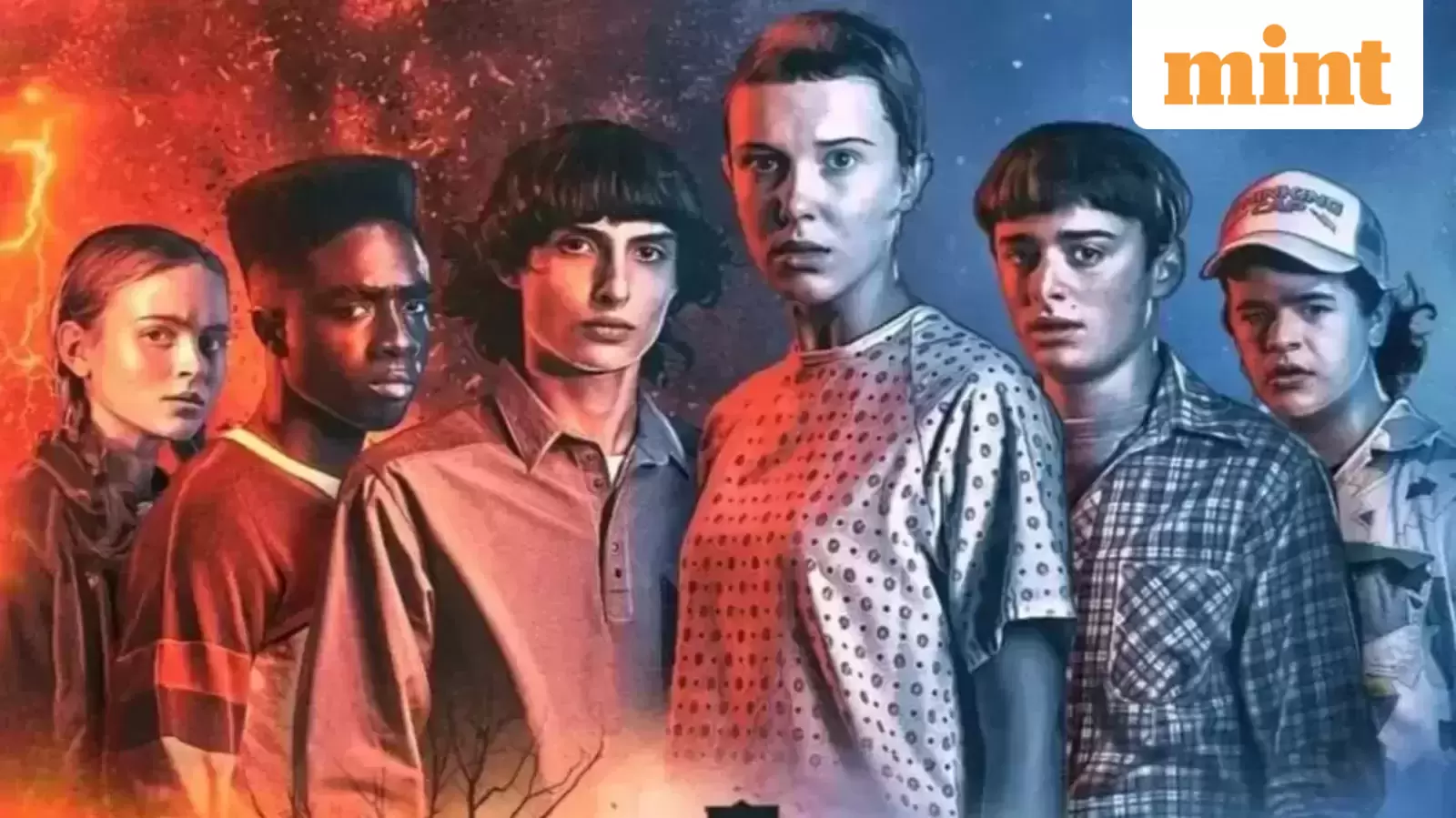
As the world ushered in 2026, the traditional New Year’s greetings and resolutions were inextricably intertwined with a global digital event: the highly anticipated finale of Netflix’s Stranger Things fifth season. Far from being a mere entertainment release, this moment crystallized a sophisticated strategic triumph in content distribution and audience engagement, setting new benchmarks for the monetization of cultural phenomena in the digital age. The culmination of a staggered release strategy executed throughout late 2025 transformed a television series finale into a pervasive pop culture conversation, igniting social media and creating fertile ground for innovative brand integration.
Netflix’s decision to segment the final season into three distinct drops across several months was a calculated maneuver to defy the fleeting nature of modern binge-watching habits. Unlike the traditional full-season release, which often sees intense but short-lived spikes in viewership and discussion, this approach aimed for sustained resonance. Data from influencer marketing agency Qoruz substantiates this efficacy, revealing that over 13,000 influencers, each boasting a minimum of 1,000 public followers, generated more than 29,000 Instagram updates. These posts collectively garnered nearly 152 million views, illustrating the profound digital footprint left by the strategic rollout. The chatter, initially peaking in November with the first four episodes, surged again during the December festive period, culminating in a global crescendo as the finale aired at 6:30 a.m. IST on January 1st. This tactical deployment not only satisfied existing fans but also, as articulated by Aditya Gurwara, co-founder of Qoruz, masterfully leveraged the "fear of missing out" (FOMO) among non-viewers, particularly Gen Z, compelling them to immerse themselves in earlier seasons during the strategic lulls. This sustained engagement is a crucial metric in the fiercely competitive global streaming market, where subscriber retention and acquisition are paramount.
The enduring popularity of Stranger Things, a series celebrated for its unique blend of 1980s nostalgia, coming-of-age drama, fantasy, horror, and sci-fi, positioned it as an ideal vehicle for brand collaborations. Its consistent presence in Netflix’s global top 10 rankings since November, often holding the coveted number one spot, underscored its commercial viability. Brands, recognizing the show’s widespread appeal across millennial and Gen Z demographics, eagerly capitalized on this cultural zeitgeist. A prime example is the partnership between quick commerce giant Swiggy Instamart and Netflix, which birthed the "Insta Strange" campaign. This innovative initiative integrated immersive technology into the Instamart app, allowing users to select items through hand gestures, mimicking the telekinetic abilities of the show’s iconic character, Eleven. Beyond this interactive feature, the collaboration extended to co-created merchandise, including themed mousepads and keychains, alongside extensive digital campaigns. Abhishek Shetty, head of marketing at Swiggy Instamart, highlighted the campaign’s overwhelming success, noting that the unique offerings sold out within weeks of the show’s release, and their social media campaign alone amassed over 10 million views in just 24 hours. Such deep integration illustrates a sophisticated evolution in brand marketing, moving beyond mere ad placements to co-creating experiences that resonate authentically with a passionate fan base.

Netflix’s own multi-faceted marketing offensive complemented these brand partnerships, encompassing a spectrum of strategies from influencer and public events to celebrity endorsements, billboards, and large-scale experiential marketing. A standout example was the "metro takeover" in major Indian cities. The Delhi Metro Yellow Line was transformed into an immersive Stranger Things experience, with train exteriors and interiors wrapped in iconic series imagery, effectively turning daily commutes into a journey through the Upside Down. Similarly, Mumbai’s Aqua Line featured dynamic videos that blurred the lines between fiction and reality, giving commuters the impression that the fictional town of Hawkins had permeated the urban landscape. This ambitious physical activation demonstrates a significant investment in creating tangible, shareable experiences that amplify digital buzz, deepening the audience’s connection to the narrative world beyond the screen. Such campaigns are not just about promotion; they are about extending the intellectual property (IP) into the lived environment, creating memorable touchpoints that reinforce brand loyalty and cultural relevance.
Despite the localized success, the scale of marketing and fan engagement varied across global markets, leading to some discerning observations from avid fans. Nipun Jain, co-creator of the trivia channel Arey Pata Hai, recounted a visit to a public activation event in Bangkok on December 26th, noting the immense fandom and the four-hour queue to enter the two-kilometer-long experience. Attendees, many adorned in official merchandise, underscored the global reach and passionate engagement. However, Jain also pointed out that the finale, unlike in some other international locations, was not officially released in cinemas in regions like India, prompting questions about differential market strategies. This highlights the complex calculus behind global content distribution and marketing, where cultural nuances, regulatory landscapes, and market potential dictate the intensity and form of activations. Nevertheless, the lack of widespread theatrical releases did not deter enthusiastic fans, who organized countless private screenings and watch parties, even in non-metro areas, demonstrating a powerful, organic ripple effect of the show’s popularity.
This organic engagement extended to independent businesses and the burgeoning creator economy. The Loft, a private screening theater in Coimbatore, experienced unprecedented demand, operating beyond 80% capacity for Stranger Things screenings since the season began its staggered release in November. Founder Kailas Sampathkumar noted a significant shift from their usual movie and F1 streaming bookings, with many clients reserving multiple 1.5-hour slots to binge-watch episodes. The demographic range was wide, from school-goers seeking communal viewing experiences with friends to IT professionals in their thirties blending remote work with fan gatherings. This illustrates how a major content release can generate economic activity far beyond the direct revenue streams of the streaming platform and its immediate brand partners. Furthermore, the influencer community reaped substantial benefits. Creator Devansh Khamboj’s watch party, featuring attendees dressed in red and enjoying "Demogorgon"-themed snacks, generated highly engaging online content. Notably, even Priyanshu Goel, a non-creator attending the party, reported a tenfold increase in engagement on his Stranger Things-related posts compared to his regular content, underscoring the viral potential and audience appetite for topical, fan-driven narratives.
The Stranger Things finale, therefore, transcends its identity as merely a television show; it serves as a powerful case study in modern entertainment economics and strategic content delivery. Netflix’s innovative staggered release, coupled with sophisticated brand integration and expansive experiential marketing, forged a sustained cultural moment that maximized audience engagement and monetization opportunities. This approach not only amplified the show’s farewell but also provided a blueprint for future blockbusters seeking to navigate the fragmented attention economy, demonstrating the profound value of intellectual property when leveraged with foresight, creativity, and a deep understanding of consumer psychology. As the streaming landscape continues to evolve, the lessons learned from this final season will undoubtedly inform how platforms cultivate, sustain, and ultimately monetize global fandoms for years to come.