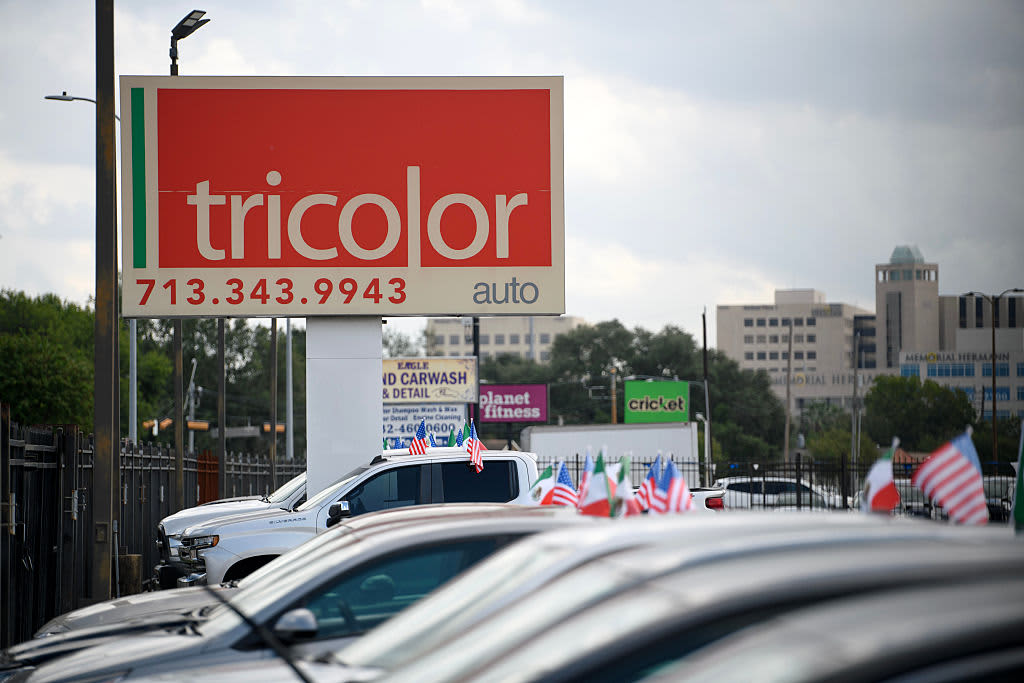
The collapse of Tricolor, once a prominent player in the niche market of subprime automotive lending, has transitioned from a corporate failure into a sprawling federal criminal investigation. At the center of the controversy is Daniel Chu, the company’s founder and former Chief Executive Officer, who stands accused of orchestrating a multi-year "systematic fraud" that culminated in a multimillion-dollar personal windfall just days before the firm’s insolvency. Federal prosecutors allege that Chu directed the siphoning of $6.25 million in bonuses as the company’s financial foundation disintegrated, leaving a trail of defrauded institutional lenders and thousands of furloughed employees in its wake.
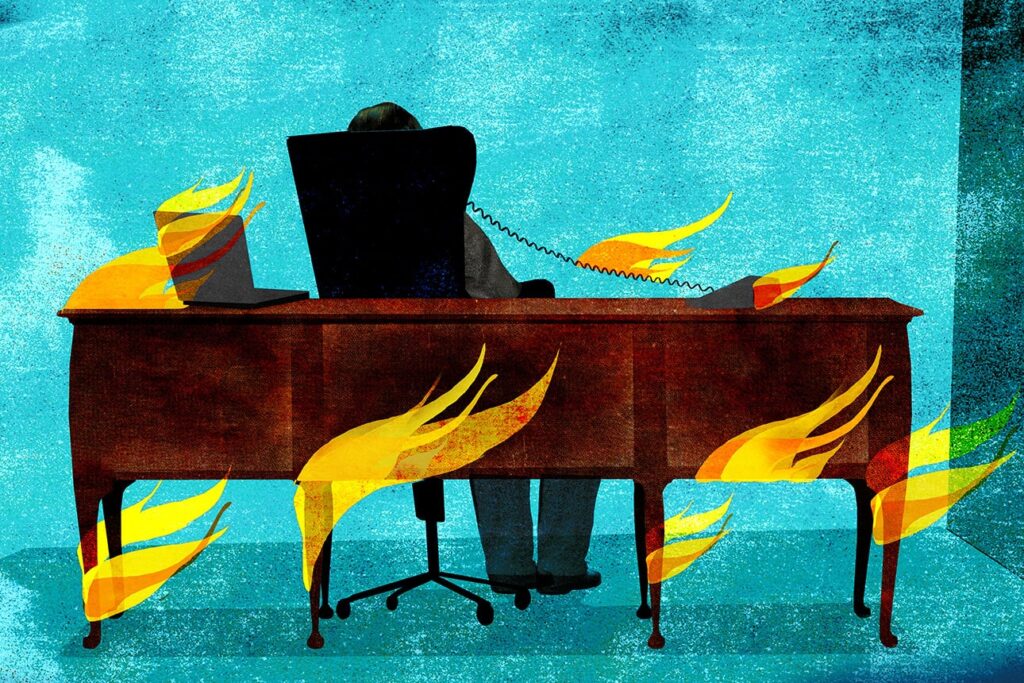
The timeline of the alleged misconduct paints a stark picture of executive priority during a period of corporate distress. According to a federal indictment unsealed this week, Chu instructed his Chief Financial Officer, Jerome Kollar, to expedite the final two installments of a $15 million annual bonus package on August 19 and 20. At the time of these transfers, the company was reportedly in a state of terminal decline. Within weeks of the CEO receiving these funds—a portion of which was allegedly used to secure a luxury property in Beverly Hills—Tricolor placed over 1,000 employees on unpaid leave. By September 10, the company had officially filed for Chapter 11 bankruptcy protection, marking one of the most abrupt and scandalous failures in the recent history of the American non-bank financial sector.
The mechanics of the alleged fraud, as detailed by the Department of Justice, suggest a sophisticated and long-running scheme to deceive creditors. Prosecutors claim that under Chu’s direction, Tricolor fabricated approximately $800 million in "bogus collateral." The deception reportedly relied on two primary tactics: the "double-pledging" of assets and the manual manipulation of internal records. In a double-pledging scheme, the same underlying auto loans are used as collateral for multiple credit lines from different banks, effectively inflating the company’s borrowing capacity on a foundation of nonexistent equity. Furthermore, employees were allegedly directed to alter data to make delinquent or non-performing loans appear eligible for inclusion in collateral pools, thereby maintaining the flow of capital from institutional investors who believed they were funding a healthy portfolio.
This level of alleged institutional deception has sent shockwaves through the broader banking industry. While the indictment does not explicitly name every affected institution, several of the world’s largest financial entities have already begun reporting significant losses linked to their exposure to Tricolor. Industry giants including JPMorgan Chase, Barclays, and Fifth Third Bank have disclosed charges and write-downs tied to the borrower. The fallout has reignited a fierce debate among economists and regulators regarding the "shadow banking" sector—non-bank financial institutions (NBFIs) that provide credit outside the traditional regulatory umbrella. As NBFIs have grown to represent a larger share of the U.S. credit market, the risk of "contagion"—where the failure of one firm triggers a broader tightening of credit—has become a primary concern for the Federal Reserve and the Treasury Department.
The psychological and strategic dimension of the alleged fraud is perhaps most vividly captured in "secretly recorded" conversations cited by prosecutors. In transcripts from August, Chu reportedly acknowledged that the company was "basically history" while simultaneously plotting ways to delay the inevitable. In one particularly telling exchange, Chu compared the situation at Tricolor to the 2001 collapse of Enron, the energy giant whose name became synonymous with corporate malfeasance. "Enron obviously has a nice ring to it, right?" Chu allegedly remarked to his deputies. "I mean, Enron, Enron raises the blood pressure of the lender when they see that." This comparison suggests that Chu was not only aware of the fraudulent nature of his enterprise but intended to use the threat of a high-profile scandal as leverage to extract settlements or concessions from the very banks he is accused of defrauding.
The economic context of Tricolor’s rise and fall is deeply rooted in the complexities of the subprime auto market. For years, the company marketed itself as a mission-driven lender, providing essential transportation financing to "thin-file" or credit-invisible borrowers, particularly within Hispanic communities. However, the subprime auto sector has faced immense pressure over the last 24 months. Rising interest rates, coupled with the cooling of the used car market and inflationary pressures on low-income households, have led to a sharp increase in delinquency rates across the industry. While many lenders have struggled with these legitimate macroeconomic headwinds, prosecutors argue that Tricolor’s failure was not a result of market forces, but of a deliberate effort to mask insolvency through criminal activity.
From a regulatory standpoint, the Tricolor case serves as a cautionary tale about the limitations of modern auditing and "know your customer" (KYC) protocols within the private credit space. If the allegations of manual record alteration are proven true, it would suggest that the automated monitoring systems used by major banks were successfully bypassed for years. This raises difficult questions for the compliance departments of JPMorgan, Barclays, and others: how did $800 million in phantom collateral go undetected during routine audits? The answer may lie in the complexity of asset-backed securities (ABS) and warehouse lending, where the sheer volume of individual loans can make granular verification a Herculean task for lenders.
The impact of the bankruptcy extends far beyond the boardroom and the balance sheets of Wall Street. For the 1,000 employees who were suddenly deprived of their livelihoods, the news of a $6.25 million executive bonus is a bitter pill. In the weeks leading up to the bankruptcy filing, staff were reportedly assured of the company’s stability, even as the executive suite was preparing for a total collapse. The human cost also includes the thousands of subprime borrowers whose loans are now held by a bankrupt entity, creating uncertainty regarding titles, payments, and the potential for aggressive repossession tactics as creditors scramble to recover whatever value remains.
Looking forward, the legal proceedings against Chu and his associates are expected to be protracted. Beyond the criminal charges of wire fraud and bank fraud, the bankruptcy court will likely see a flurry of "clawback" litigation. Under U.S. bankruptcy law, payments made to insiders in the months preceding a filing can often be recovered if they are deemed "fraudulent transfers" or "preferential payments." The $6.25 million bonus, paid while the company was allegedly insolvent, will almost certainly be a primary target for the bankruptcy trustee seeking to compensate secured creditors and unpaid staff.
Furthermore, the Tricolor scandal is likely to prompt a renewed push for legislative oversight of the non-bank lending sector. Critics argue that the current regulatory framework allows firms like Tricolor to operate with far less transparency than traditional deposit-taking banks, despite managing billions of dollars in systemic risk. As the "Enron of auto lending" moves through the courts, it may serve as the catalyst for a new era of transparency requirements for subprime lenders, focusing on the verification of collateral and the capping of executive compensation in firms showing signs of financial instability.
In the final analysis, the Tricolor saga is a grim reminder of the vulnerabilities inherent in the American financial system when aggressive executive ambition meets insufficient oversight. The transition from a company that claimed to empower underserved communities to one accused of systematic $800 million deception marks a profound fall from grace. As Daniel Chu prepares to defend himself against federal charges, the industry he once helped lead must now reckon with the reputational and financial damage of a collapse that was, by his own alleged admission, "basically history" long before the public was ever informed. The echoes of Enron, it seems, continue to haunt the corridors of American finance, proving that the lessons of the past are often forgotten in the pursuit of the next high-yield frontier.