


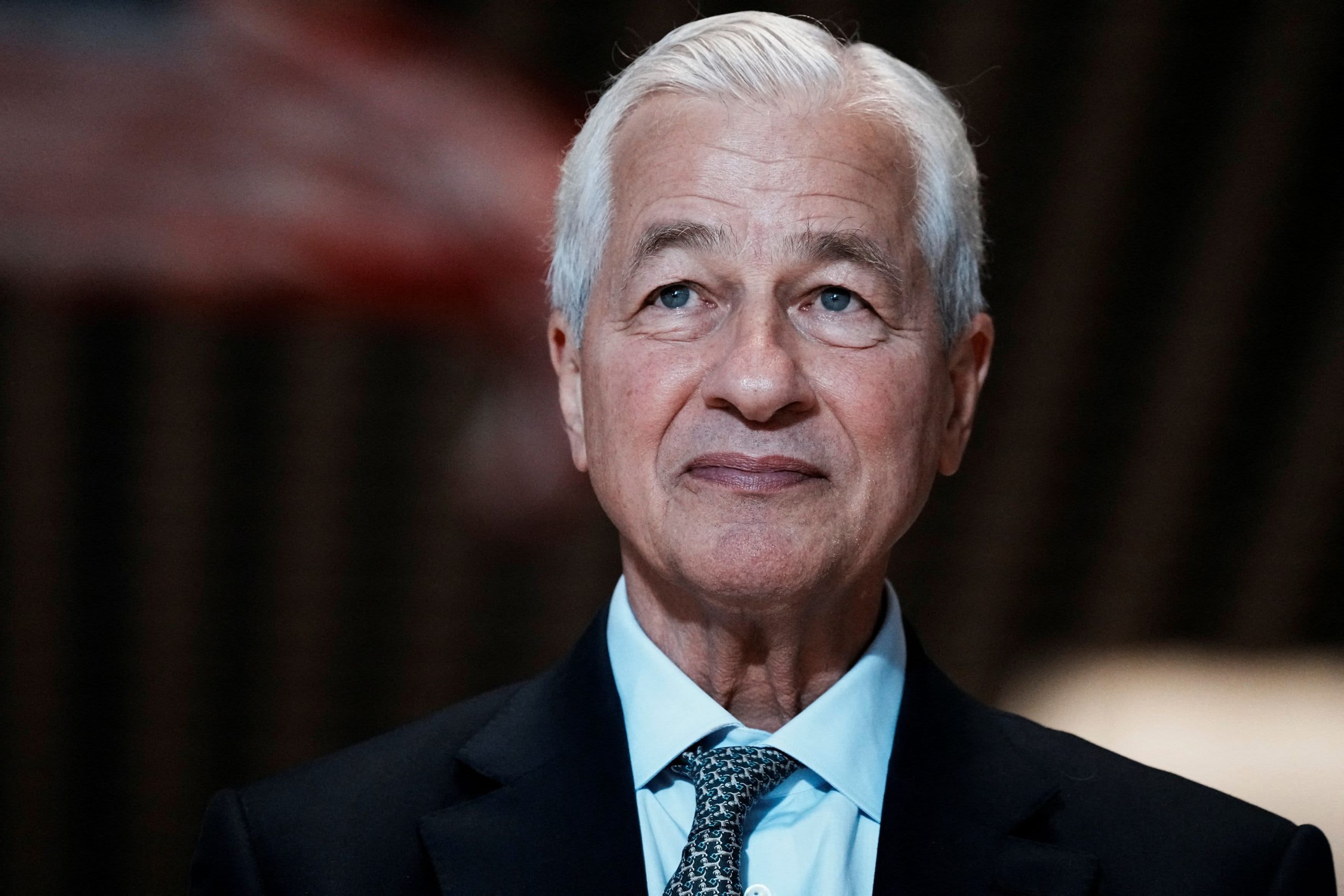
In the high-altitude world of global investment banking, few things signal the gravity of a deal more than the presence of the industry’s most powerful executive. When a delegation from JPMorgan Chase traveled to California late last year to pitch for a lead role in the potential initial public offering of SpaceX, the group included more than just the usual cadre of senior dealmakers. Jamie Dimon, the billionaire chairman and CEO of the world’s largest bank, was personally on hand to make the case to Elon Musk’s aerospace giant. By the following morning, Dimon was back in Manhattan, occupying his familiar spot in the lobby of the bank’s headquarters, a visible fixture for the thousands of employees arriving for the workday.
This juxtaposition of global power-brokering and granular, hands-on management defines the Dimon era—a twenty-year tenure that has seen JPMorgan Chase evolve from a respected American lender into a peerless global hegemon. As Dimon marks two decades at the helm, the financial world is increasingly preoccupied with a singular, existential question: What happens to the "fortress balance sheet" when its architect finally walks away? For years, Dimon famously quipped that his retirement was always "five years away," but in 2024, the timeline shifted. For the first time, the 68-year-old executive acknowledged that the window for his departure is narrowing, setting off a quiet but intense scramble to ensure the stability of a $4.6 trillion institution.
The scale of the challenge cannot be overstated. Under Dimon’s leadership, JPMorgan has become a financial supermarket of unprecedented proportions, boasting a market capitalization of approximately $900 billion. To put that figure in perspective, JPMorgan is currently worth nearly as much as its three largest domestic competitors—Bank of America, Citigroup, and Wells Fargo—combined. This dominance is the result of a two-decade masterclass in risk management, strategic acquisition, and aggressive technology investment. While other institutions crumbled during the 2008 financial crisis, Dimon’s JPMorgan absorbed Bear Stearns and Washington Mutual. When the regional banking crisis of 2023 threatened the stability of the U.S. financial system, it was Dimon who stepped in to acquire First Republic Bank, once again positioning his firm as the "lender of last resort" for the private sector.
However, this very success has created what market analysts call a "key man risk." Dimon is not merely a manager; he is a statesman of finance whose influence extends into the highest echelons of government. His public pronouncements on inflation, geopolitical stability, and trade policy frequently move markets. In early 2024, a single appearance by Dimon on national television, where he warned of potential recessionary pressures, was credited with influencing the White House’s pivot on trade tariffs, sparking a significant relief rally on Wall Street. This "Dimon Premium"—the added value investors place on the bank due to his perceived judgment—is estimated by some analysts to represent up to 5% of the firm’s share price. Should he depart abruptly, that premium could vanish overnight, potentially erasing tens of billions of dollars in market value.
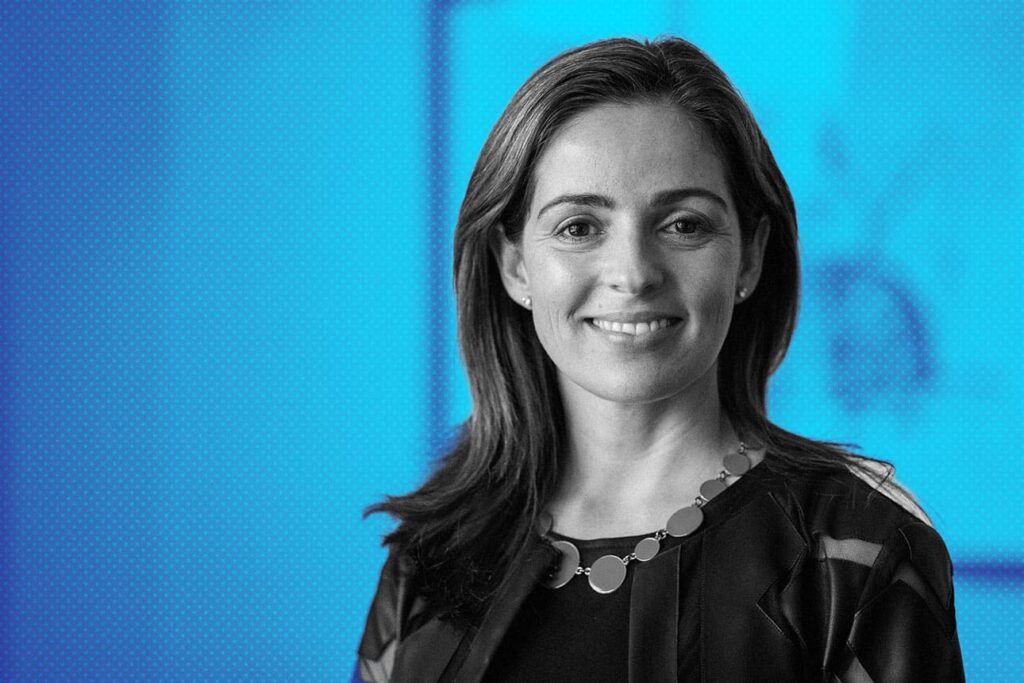
The search for a successor is currently the most closely watched personnel drama in the global financial industry. While the bank’s board of directors has a formal succession plan in place, the public focus remains on a small circle of elite internal candidates. Leading the pack in the eyes of many investors is Marianne Lake, the head of the firm’s massive consumer and community banking division. A former Chief Financial Officer, Lake is often described by colleagues as a "human supercomputer" for her encyclopedic knowledge of the bank’s operations and her rigorous analytical approach. Her primary challenge, according to some observers, will be transitioning from a brilliant technocrat to a visionary leader capable of inspiring the bank’s 310,000-strong workforce.

Sharing the spotlight are Doug Petno and Troy Rohrbaugh, the co-heads of the commercial and investment bank. Their division is the engine of the firm’s global prestige, handling everything from sovereign debt offerings to the IPOs of Silicon Valley unicorns. Other names frequently mentioned in the executive suite include Mary Erdoes, who oversees the firm’s $3.5 trillion asset and wealth management business, and current CFO Jeremy Barnum. However, some internal sources suggest that the longer Dimon stays, the more likely the board is to look toward a "next-next" generation of leaders—executives currently in their 40s who are being groomed to take the reins in a world where banking is increasingly defined by artificial intelligence and digital assets rather than traditional branch networks.
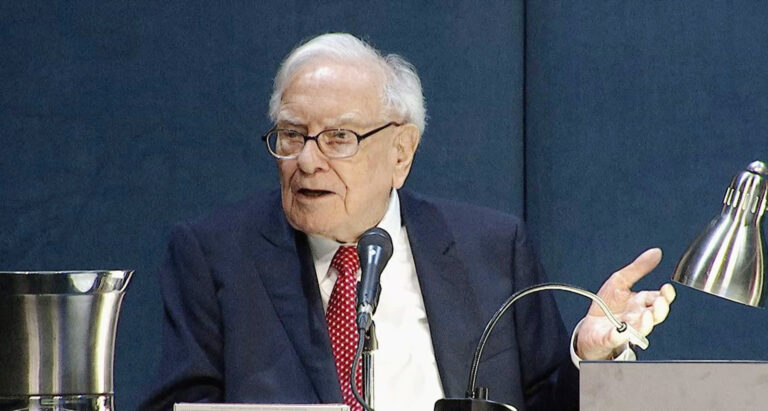
The transition from a legendary founder-like figure to a successor is a notoriously difficult maneuver in corporate history. Comparisons are frequently drawn to Berkshire Hathaway, where Greg Abel is preparing to step into the shoes of Warren Buffett, or Apple, where Tim Cook successfully navigated the post-Steve Jobs era. In those cases, the successors focused on institutionalizing the culture rather than mimicking the charisma of their predecessors. For JPMorgan, the culture is one of "healthy paranoia." Dimon has spent years warning his executives about the "cancers" that kill large companies: complacency, bureaucracy, and the manipulation of numbers for short-term gain. He frequently cites the collapses of Bear Stearns, Lehman Brothers, and the previous incarnations of Citigroup as cautionary tales of what happens when a bank loses its focus on the "fortress" aspect of its balance sheet.
Beyond internal management, the next CEO will inherit a radically different regulatory and geopolitical landscape. The era of "too big to fail" has resulted in JPMorgan being subjected to the most stringent capital requirements and stress tests in the industry. Furthermore, as the bank expands its footprint in China and other emerging markets, the next leader will need to navigate the increasingly treacherous waters of "de-risking" and international sanctions. Dimon has spent significant capital building a $1.5 trillion initiative to bolster American industrial interests, a move that aligns the bank’s growth with national security priorities. Maintaining this delicate balance between global profitability and domestic loyalty will be a primary task for whoever follows him.
The physical manifestation of Dimon’s legacy is currently rising 1,388 feet above Park Avenue. The bank’s new $3 billion headquarters is more than just an office building; it is a statement of intent. Designed to be the world’s most sustainable and technologically advanced skyscraper, it serves as a massive bet on the future of New York City and the enduring relevance of centralized financial power. For Dimon, the building represents the culmination of a career dedicated to building an institution that can withstand any storm.
As the clock ticks toward an inevitable transition, the bank’s leadership insists that the institution is greater than any one individual. They point to the depth of the management committee and the billions of dollars invested annually in technology—roughly $15 billion in 2024 alone—as evidence that the firm’s "moat" is structural rather than personal. Yet, the anxiety remains. Banking, at its core, is a business of trust and judgment. For twenty years, the markets have trusted Jamie Dimon’s judgment above all others.
The eventual departure of Dimon will mark the end of an era for Wall Street. He is the last of the "crisis-era" CEOs, a leader who not only survived the greatest financial upheaval since the Great Depression but used it to forge a dominant superpower. Whether JPMorgan can maintain its trajectory without his singular presence is a question that will determine the future of the American financial system. While the "five-year" clock may finally be running down, the shadow cast by Dimon will likely loom over 270 Park Avenue for decades to come. The true test of his leadership will not be how the bank performed while he was there, but how it thrives once he is gone. For now, the "fortress" remains intact, but the world is watching closely for the first sign of a crack in the walls.