

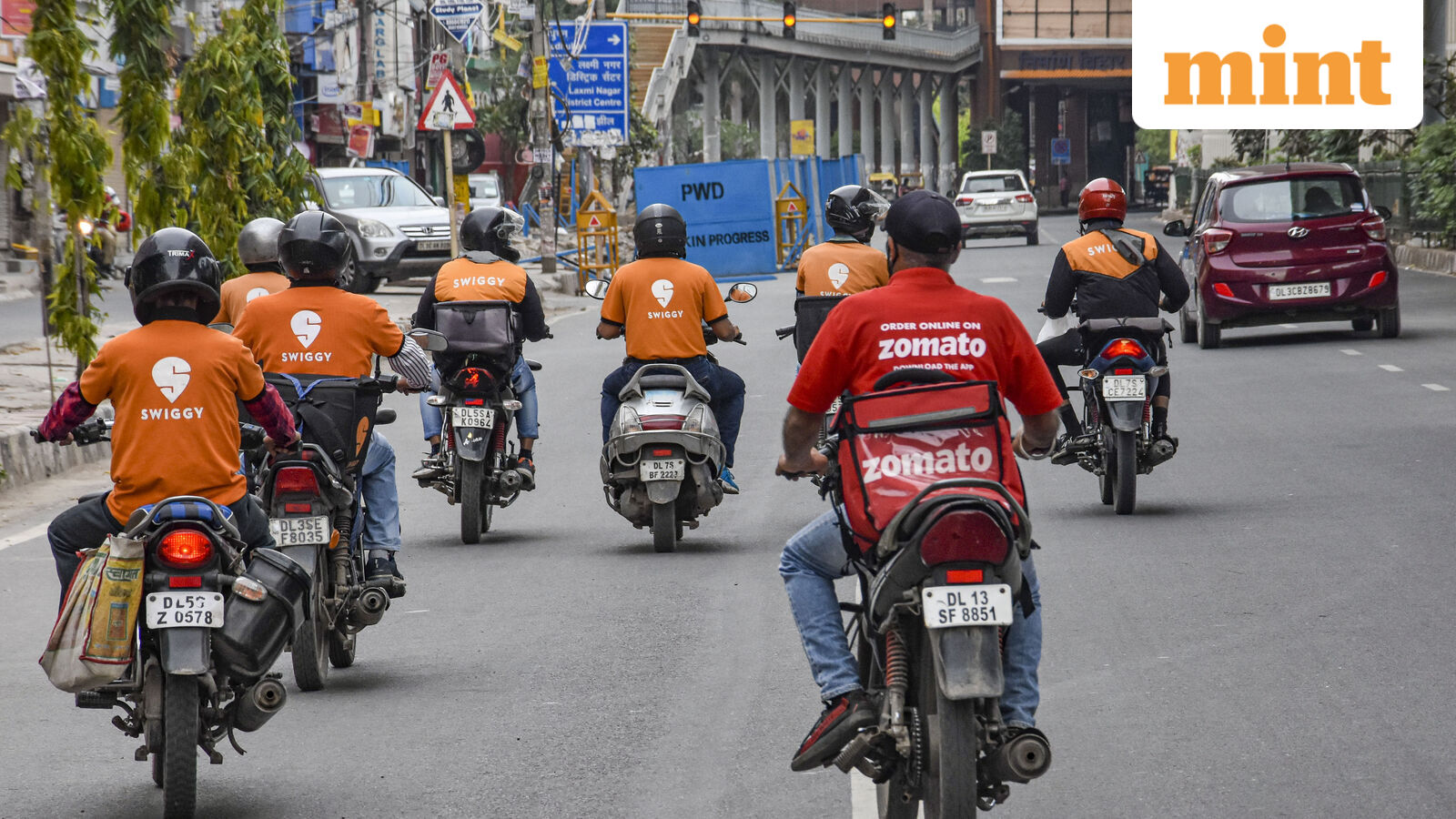
India’s National Capital Region (NCR) is once again grappling with the complex interplay between environmental imperatives and economic realities, as its apex air quality regulator has relaxed a crucial clean mobility mandate for thousands of delivery and ride-hailing fleet operators. This deferment, extending the allowance for petrol-powered two-wheelers until the end of 2026, signals a significant recalibration in the nation’s fight against pervasive air pollution, highlighting the formidable challenges inherent in transitioning a burgeoning gig economy to greener alternatives. The Commission for Air Quality Management (CAQM), operating under the Ministry of Environment, Forest and Climate Change, issued this amendment on December 23, following extensive representations from industry stakeholders and gig workers who cited substantial operational and financial hurdles in adhering to the original, more stringent timeline.
The decision arrives amidst a backdrop of persistently severe air pollution across the NCR, where Air Quality Index (AQI) levels frequently surge past the 400-mark, often categorised as ‘severe’ or ‘hazardous’ by global health standards. Such levels have profound public health implications, contributing to respiratory illnesses, cardiovascular diseases, and premature mortality, alongside substantial economic costs from lost productivity and healthcare expenditures. The transport sector, particularly the rapidly expanding segment of two-wheelers, remains a significant contributor to the region’s overall pollution load, a fact explicitly acknowledged by the CAQM itself in its policy documents. An earlier directive in June had sought to strictly prohibit the induction of new petrol or diesel vehicles into commercial fleets, pushing aggregators towards an accelerated shift to electric or other clean-fuel alternatives. This latest amendment, however, permits the continued addition of Bharat Stage VI (BS-VI) compliant petrol two-wheelers, offering a temporary reprieve to companies like Zomato, Swiggy, Rapido, Amazon, Flipkart, and numerous cab aggregators that rely heavily on these vehicles.
The rapid proliferation of the gig economy in India has transformed urban logistics and personal mobility, but it has also brought environmental trade-offs into sharp focus. India’s gig economy is projected to expand significantly, with estimates suggesting over 23 million workers by 2030, a substantial leap from approximately 7.7 million in 2021. This growth is intrinsically linked to the two-wheeler segment, which forms the backbone of last-mile delivery and ride-sharing services due to its affordability, maneuverability, and efficiency in congested urban environments. The vast majority of these vehicles are petrol-powered, making their electrification a critical, yet complex, component of any comprehensive air quality strategy.
Industry players and gig workers have articulated a range of difficulties impeding a swift transition. For aggregators, the challenge lies in ensuring a consistent supply of electric vehicles (EVs), establishing robust charging and battery-swapping infrastructure, and, crucially, managing the economic implications for their vast network of independent contractors. Unlike fleet-owned vehicles in some other sectors, many delivery and ride-hailing services in India rely on workers using their personal two-wheelers, which are often purchased through personal loans. The upfront cost of an electric two-wheeler, despite government subsidies and lower running costs, remains a significant barrier for many gig workers, whose earnings are often precarious. The lack of a distinct commercial registration category for two-wheelers used in delivery further complicates policy enforcement and the provision of targeted incentives, as noted by Amit Bhatt, India managing director of the International Council on Clean Transportation. He emphasized that a clear, comprehensive EV mandate for all delivery platforms is essential to create a level playing field and foster widespread adoption.
Data from government portals underscore the slow pace of EV adoption in commercial fleets. While the Delhi Motor Vehicle Aggregator and Delivery Service Provider Scheme, 2023, had ambitious electrification targets, including 50% for two-wheelers within two years, actual penetration remains modest. The CAQM’s notification itself highlighted that only about 9% of bikes and scooters currently in use by aggregators are high-speed electric vehicles, citing the insufficient registration of gig workers with such vehicles as a primary reason for not meeting targets. Although new EV sales in Delhi in 2025 showed a respectable 13.9% share of the total vehicle market, comprising approximately 37,000 two-wheelers and 14,000 cars, this growth is still far from the scale required for a rapid fleet transition. For electric motor cabs, the numbers are even lower, with only around 6,300 sold in India in 2025 out of nearly 300,000 such vehicles, further illustrating the significant gap between aspiration and reality.

Companies like Zomato, while acknowledging the necessity of the transition, advocate for a "worker-friendly" approach. Anjalli Ravi Kumar, Chief Sustainability Officer at Eternal (Zomato’s sustainability initiative), stressed that millions of Indian families depend on delivery earnings derived from existing petrol two-wheelers. She argued that a successful transition must consider these livelihoods, requiring parallel readiness across the entire EV ecosystem, including vehicle availability, accessible financing, and widespread charging and battery-swapping infrastructure. Zomato claims to be a global pioneer in committing to EV transition within food delivery, having invested in awareness programs and facilitated access to rental EVs. The one-year transition window provided by CAQM, according to the company, offers a "helpful and necessary runway" to build this ecosystem collaboratively.
The deferral, while providing breathing room for the industry, poses critical questions about India’s broader environmental commitments and its ability to balance rapid economic development with sustainable practices. India has set ambitious targets for EV adoption, aiming for 30% private cars, 70% commercial vehicles, and 80% two and three-wheelers by 2030. These targets are crucial not only for improving urban air quality but also for contributing to the nation’s climate change mitigation goals under the Paris Agreement. The transport sector is a significant source of greenhouse gas emissions, and a delayed transition in a high-growth segment like the gig economy could have ripple effects on these larger objectives.
Globally, other emerging economies grapple with similar dilemmas. Cities in Southeast Asia, for instance, are witnessing a surge in ride-hailing and delivery services, often dominated by petrol-powered two-wheelers. While some governments offer subsidies for EV purchases, comprehensive strategies addressing financing for gig workers, charging infrastructure, and regulatory frameworks for commercial EV use are still evolving. China, a leader in EV manufacturing and adoption, has seen significant government-led pushes, including mandates and substantial incentives, which have created a robust domestic EV ecosystem. India’s approach, while aiming for similar outcomes, must navigate a different socio-economic landscape, where the informal nature of gig work and varied income levels present unique challenges.
The long-term economic impact of this policy choice is multifaceted. On one hand, maintaining the status quo for another year prevents immediate financial strain on gig workers and aggregators, potentially safeguarding livelihoods and ensuring uninterrupted service delivery. This can be seen as a pragmatic response to market realities. On the other hand, it defers the health and economic benefits associated with cleaner air, which are substantial. Studies have estimated the annual economic cost of air pollution in India to be several percentage points of its GDP, encompassing healthcare costs, productivity losses, and premature deaths. A slower transition to EVs also means delayed investment in charging infrastructure, battery manufacturing, and associated green jobs, potentially hindering the growth of India’s indigenous EV industry.
Moving forward, a multi-pronged strategy will be critical. This includes sustained and enhanced government incentives for EV purchases, particularly for commercial use and gig workers, potentially structured as direct subsidies or easy financing options. Developing a comprehensive and accessible charging and battery-swapping network across urban and semi-urban areas is paramount. Furthermore, creating clear regulatory frameworks, perhaps including a distinct commercial registration category for delivery two-wheelers, could streamline enforcement and facilitate targeted support. The dialogue between regulators, industry, and gig worker representatives must continue to ensure that future mandates are both ambitious in their environmental goals and realistic in their economic implementation, ultimately paving a sustainable path for India’s bustling gig economy and its urban environments. The current deferral serves as a stark reminder that while the destination is clear, the journey towards a cleaner future for India’s mobility sector will require careful calibration and collaborative effort.