


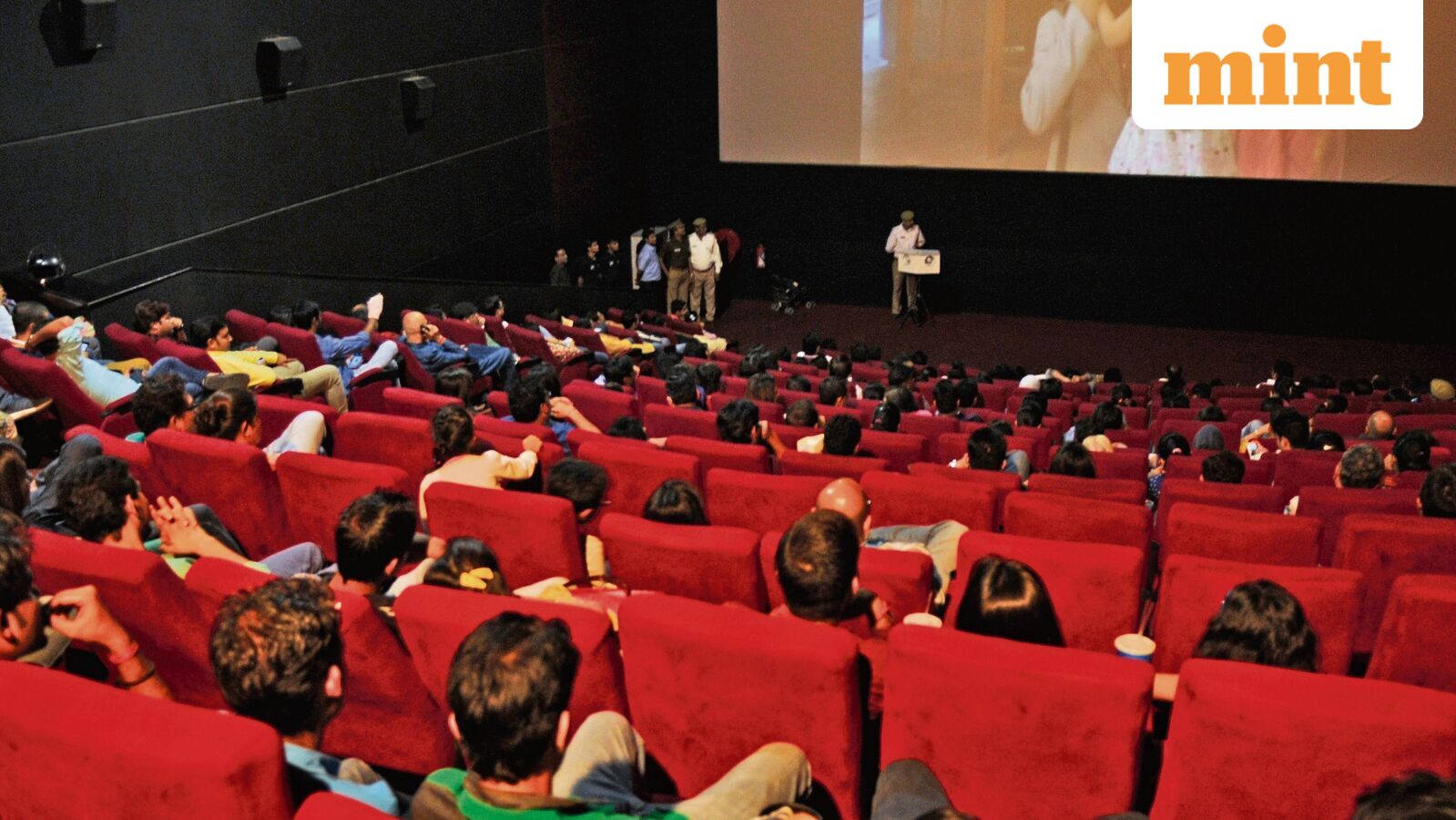
The foundational structure of India’s film exhibition industry is undergoing a profound transformation, marked by the rapid decline of single-screen cinemas and an increasingly concentrated growth of multiplexes in urban centers, leading to a significant contraction in the accessibility of the theatrical experience for a vast majority of the population. This evolving landscape not only limits viewing options for millions but also casts a long shadow over the economic health of the film industry, impacting box office revenues, ancillary income streams, and the overall cultural vibrancy of cinematic consumption.
A decade ago, single-screen theaters, deeply embedded in the social fabric of Indian towns and cities, numbered approximately 9,500 across the country. These establishments were often community hubs, offering affordable entertainment and a collective viewing experience that transcended socio-economic divides. However, by 2025, this figure has dramatically plummeted to around 6,500. The reasons for this precipitous decline are multifaceted, stemming from escalating real estate values that make their large land footprints economically unviable, intense competition from the burgeoning digital streaming platforms (OTT services), and the high capital expenditure required for modernization, including the crucial transition to digital projection from traditional film reels. Many independent owners, unable to sustain operations amidst rising maintenance costs and dwindling footfalls, opted to sell their properties for redevelopment into commercial complexes or residential units. Regions like Punjab, which boasted 55 single-screen cinemas in 2002, now host a mere two, while Uttar Pradesh has seen its count fall from 1,250 to approximately 500, illustrating a nationwide trend that strips smaller towns and semi-urban areas of their traditional cinematic outlets.
In parallel, the expansion of multiplexes, while a sign of modernization and investment in the sector, has not filled the void left by single screens. With roughly 3,700 screens currently, multiplex growth remains predominantly confined to India’s top metropolitan areas and Tier-1 cities. This geographical imbalance creates a stark disparity in access, alienating large segments of the population from the movie-going experience. Industry experts highlight that this uneven expansion means that while urban centers might offer a plethora of premium viewing options, a significant portion of the country remains underserved. According to a comprehensive report by the Multiplex Association of India (MAI), prepared in collaboration with EY, a staggering 16,350 out of the country’s 19,000 postal zones possess no cinema screens whatsoever. This translates into a concerning decline in screen density, which has fallen from 7.6 per million population in 2018 to 6.8 in 2024. For context, developed markets like the United States boast approximately 40 screens per million, and even China, with its rapidly expanding cinema infrastructure, hovers around 60 screens per million, underscoring India’s vast deficit in theatrical exhibition infrastructure relative to its immense population.

The economic implications of this constricted access are profound. Multiplexes, by their very nature, operate with higher average ticket prices (ATPs) and rely heavily on lucrative food and beverage (F&B) sales to bolster their revenue streams. This premium pricing strategy, while essential for their business model, inadvertently segregates the market. As one managing director of a prominent cinema chain noted, elevated pricing structures mean that a substantial portion of the population, particularly those in lower-income brackets or non-metro regions, finds movie-going an unaffordable luxury. Surveys indicate that 54% of potential movie-goers desire a rationalization of ticket prices, and 38% seek lower F&B costs. This creates a vicious cycle: high prices deter footfall, leading to fewer overall tickets sold, despite potential higher per-capita spending by a smaller, affluent audience.
The impact on box office performance is undeniable. While the number of films released in 2024 was comparable to pre-pandemic levels in 2019, the quantity of films grossing ₹100 crore or more experienced a significant dip, falling from 17 to 10. This trend signals a shrinking theatrical market base, making it harder for films to achieve blockbuster status and generate the crucial theatrical revenue that underpins the entire film value chain. The diminishing returns from satellite television and streaming (OTT) rights further exacerbate the challenge, as producers and distributors increasingly rely on strong theatrical performances to recoup investments and generate profits. Less than 150 million people, or roughly 10% of India’s 1.4 billion population, are estimated to attend a movie in theaters annually, highlighting the enormous untapped potential that remains inaccessible due to infrastructure deficiencies and affordability issues.
Adding another layer of complexity is the pervasive issue of piracy. A significant portion of media consumers, estimated at 51%, access content from pirated sources, with a striking 76% of these individuals falling within the crucial 19-to-34 age demographic. This rampant illegal consumption directly siphons revenue away from legitimate exhibition channels, including both theatrical runs and OTT platforms, further compromising the economic viability of the film industry. When audiences can access films illicitly and often for free, the incentive to pay for a theatrical experience, especially at premium prices, diminishes significantly. This piracy epidemic, coupled with the lack of affordable and accessible screens, creates a formidable barrier to market growth and investment.
Moreover, the content landscape itself presents a challenge. While a handful of star-driven blockbusters and mass-market commercial entertainers occasionally draw large crowds, there is an insufficient pipeline of diverse content that caters specifically to the tastes and budgets of small-town audiences. The economic realities of running theaters in Tier-2 and Tier-3 towns dictate a need for consistent, appealing content to sustain operations. However, the current production ecosystem often prioritizes high-budget, broad-appeal films, leaving a gap for the mid-budget, regionally relevant narratives that historically thrived in single-screen environments. This creates a chicken-and-egg situation: without sufficient content tailored for these markets, there’s less incentive to build or maintain screens; without screens, the market for such content struggles to develop.

Addressing this multifaceted crisis requires a concerted effort from all stakeholders. Rationalization of ticket and F&B prices is a critical first step to make cinema more inclusive. Innovative exhibition models, such as low-cost theater chains targeting underserved markets with tickets priced as low as ₹100, are emerging as potential solutions. These ventures aim to penetrate areas where traditional multiplexes find it challenging to establish a foothold due to high real estate costs and lower purchasing power. Furthermore, there is a pressing need for increased consistency in content flow. As one multiplex operator observed, audiences will turn up in large numbers for strong content, but the industry must manage periods of uneven content supply more carefully. This includes fostering diverse storytelling, supporting regional cinema, and encouraging films that resonate with a broader demographic beyond urban centers.
Beyond pricing and content, investment in upgrading existing infrastructure and developing new, economically viable exhibition formats is paramount. This might involve government incentives, public-private partnerships, and exploring pre-fabricated or modular cinema structures that can be deployed more affordably in non-metro areas. The widening gap between cinemas that have invested in better technology, comfort, and F&B offerings and those that haven’t underscores the need for continuous modernization. Ultimately, the future of India’s theatrical exhibition depends on a holistic strategy that not only revitalizes existing infrastructure but also strategically expands access, embraces diverse content, combats piracy, and makes the cinematic experience an affordable and appealing option for all Indians, not just a privileged few. Failure to address these systemic issues risks leaving a vast potential audience behind and permanently altering the vibrant tapestry of Indian cinema.