

Mumbai, India’s financial capital, is rapidly expanding its infrastructural footprint with world-class facilities like the Navi Mumbai International Airport (NMIA) and the Aqua Line of the Mumbai Metro. Yet, these beacons of modern engineering are marred by a fundamental deficiency: a pervasive lack of reliable mobile network connectivity for passengers. This isn’t a mere technical glitch but rather the visible symptom of a deeper, high-stakes commercial impasse between infrastructure developers and major telecom operators, leaving millions of commuters and travellers stranded in digital dead zones. The situation underscores a critical challenge in India’s ambitious infrastructure development narrative: how to seamlessly integrate advanced physical infrastructure with the digital connectivity imperative of the 21st century.
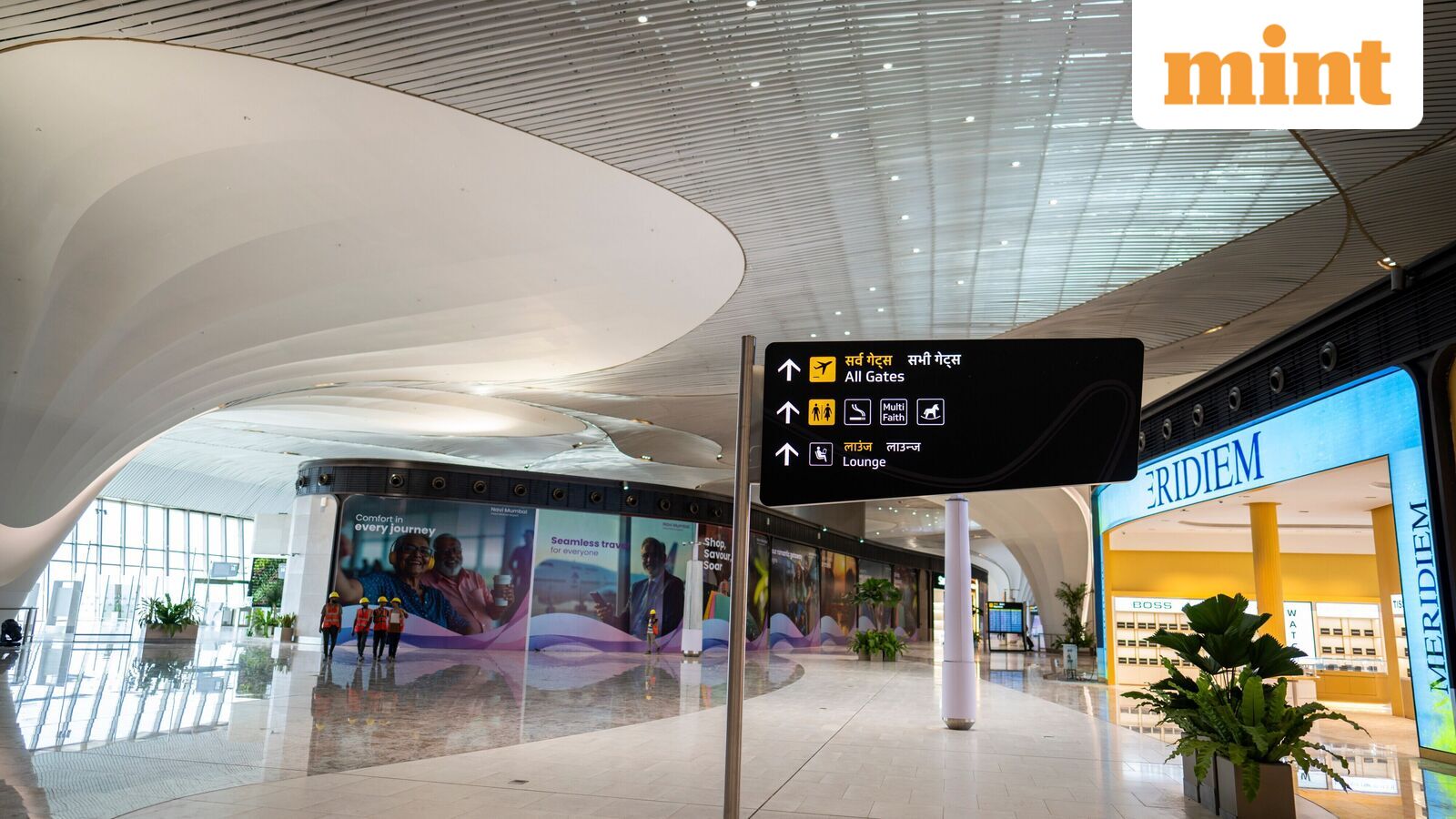
The problem first garnered widespread attention on December 25th, when the Adani Group-operated Navi Mumbai International Airport commenced commercial operations. Travellers immediately reported a complete absence of signals from leading private telecom service providers such as Reliance Jio, Bharti Airtel, and Vodafone Idea. A similar predicament has plagued the Mumbai Metro Aqua Line for several months, with passengers enduring frustrating connectivity gaps as the two sides remain locked in a dispute over commercial terms for network access. This disconnect fundamentally compromises the user experience and detracts from the significant public and private investment poured into these projects, which collectively represent billions of dollars vital for regional economic growth. NMIA alone is projected to handle 90 million passengers annually by its final phase, with an estimated investment exceeding $2 billion, while the Mumbai Metro expansion is a cornerstone of the city’s urban mobility strategy.
At the heart of this standoff lies a profound disagreement over access fees and the operational model for deploying in-building solutions (IBS) – the specialized infrastructure required to ensure robust cellular coverage within large, enclosed structures. Telecom operators contend that the charges demanded by infrastructure developers are "exorbitantly" high and commercially unviable. They argue that as licensed entities holding spectrum, they possess the inherent right to offer connectivity in public spaces under the Right of Way (RoW) rules outlined in the Telecommunications Act, 2023. These rules stipulate that access should be granted on reasonable, transparent, and non-discriminatory terms, with charges limited to administrative or restoration costs, not as a source of commercial revenue.

However, the infrastructure developers, including NMIA and the Mumbai Metro Rail Corporation (MMRC), a joint venture between the central and Maharashtra governments, present a different perspective. They often appoint third-party digital infrastructure providers, such as Saudi Arabia-based ACES in the case of the Mumbai Metro Aqua Line, to lay the necessary IBS. These third-party providers, or the developers themselves, then act as neutral hosts, expecting telecom operators to pay for access. The developers assert that due to the sensitive nature of airports and metro systems, with stringent security clearances required from agencies like the Bureau of Civil Aviation Security (BCAS), they are best positioned to manage the network infrastructure. They argue that this centralized control ensures quicker turnaround times for maintenance, minimizes security risks, and maintains operational integrity, offering IBS services at what they consider "industry standards."
The financial disparity cited by telecom operators is striking. Reports indicate that NMIA sought approximately ₹92 lakh (approximately $110,000 USD) per month per operator, equating to a staggering ₹44.16 crore (over $5.3 million USD) annually for four operators. Telecom companies counter that they could deploy an independent IBS network at roughly one-fourth of this cost. While NMIA reportedly later proposed a reduction to about ₹40 lakh per month, aligning with rates at Mumbai International Airport Ltd (MIAL), operators still deemed this unreasonable given the initial footfall projections for the new airport. For context, operators reportedly pay ₹10-12 lakh (approximately $12,000-$14,500 USD) at some other major Indian airports, such as Delhi. This significant price differential highlights the commercial chasm that needs bridging.
The regulatory framework, while comprehensive in intent, exhibits ambiguities when applied to public-private partnerships (PPPs) and privately operated facilities. The Telecommunications Act, 2023, and associated RoW Rules mandate access for licensed telecom service providers from "public entities" managing public property. While this clearly applies to government-run infrastructure like Airports Authority of India (AAI) airports or state-owned metro systems, the definition of a "public entity" for non-government entities operating public facilities requires specific notification by the government. Until such clarity is provided, commercial terms for PPPs and private operators remain subject to mutual agreement, effectively creating a loophole that allows for contentious negotiations over access fees. A precedent exists from August last year, when the Department of Telecommunications (DoT) instructed the National Highways Authority of India (NHAI) to facilitate telecom connectivity in Dwarka Expressway tunnels without imposing any fees or entry charges, underscoring a government stance against commercializing essential digital access within public infrastructure.
The economic implications of this connectivity crisis extend far beyond mere inconvenience. In an increasingly digital economy, seamless connectivity is no longer a luxury but a fundamental utility. For a major international airport, poor network access hinders critical functions like digital check-ins, real-time flight updates, mobile ticketing, and cashless transactions. It impacts business travellers reliant on constant communication, potentially affecting productivity and decision-making. For the metro, it compromises safety in emergencies, deters digital payments for tickets, and diminishes the overall appeal of public transport, especially for tech-savvy urban commuters. This erosion of passenger experience can negatively impact tourism, foreign investment perception, and India’s global image as a digitally advancing nation, directly conflicting with the "Digital India" vision. Industry analysts estimate that the cumulative economic cost of lost productivity, missed business opportunities, and reduced operational efficiency due to these dead zones could run into millions of dollars annually for the Mumbai metropolitan region.

Globally, major transportation hubs offer diverse models for managing in-building telecom infrastructure. Airports like London Heathrow, Dubai International, and Singapore Changi typically feature comprehensive, multi-operator IBS networks, often managed by the airport authority itself or a dedicated neutral host provider, but under regulated commercial terms that prioritize ubiquitous connectivity. In many developed markets, the principle of reasonable and non-discriminatory access for telecom operators is well-established, preventing infrastructure owners from extracting excessive rents. The presence of state-owned Bharat Sanchar Nigam Ltd (BSNL) at NMIA, reportedly without cost, further complicates the commercial landscape, suggesting a potential strategic or policy-driven exception that private operators cannot match. This highlights the need for a standardized, fair, and transparent model that applies consistently across all infrastructure projects, regardless of their ownership structure.
The Department of Telecommunications has recognized the severity of the issue, actively engaging in ongoing discussions with both telecom operators and infrastructure developers to find common ground. However, a lasting resolution will likely require more than just mediation. It demands clear policy directives that explicitly define "public entity" under the Telecommunications Act to encompass private entities managing public facilities and stipulate a reasonable cost recovery model for IBS deployment. Furthermore, exploring frameworks for shared infrastructure, where operators collectively invest in and manage IBS under transparent agreements, could offer a sustainable path forward. As India continues its rapid infrastructure development, ensuring that digital connectivity is integrated as a core utility, rather than a contentious commercial add-on, will be paramount to realizing the full economic and social potential of these ambitious projects. The stalemate in Mumbai serves as a critical test case, demanding a collaborative and policy-driven solution to prevent future digital divides in the nation’s most vital economic arteries.